 Tampa Siding
 Brandon's Climate Is Harder on Siding Than Most Homeowners Realize
Brandon sits inland from Tampa Bay but still takes the full brunt of what Hillsborough County weather delivers every year: long stretches of intense UV exposure, summer humidity that never really lets up, wind-driven rain from afternoon storms, and the outer bands of tropical systems that push through Central Florida on a near-annual basis. None of that is exotic information to anyone who's lived here a few summers, but it matters enormously when you're choosing exterior siding, because siding is the one building material that has to stand up to all of it, continuously, with no season off.
Heat and UV break down pigments and resins in lower-grade siding products over time, leading to fading, chalking, and surface degradation. Humidity finds every gap in a poorly sealed installation and turns it into a moisture problem behind the wall, which is often invisible until it's expensive. Wind-driven rain doesn't just wet a wall — it drives water sideways and upward, testing every seam, joint, and piece of flashing on a house. And while Brandon isn't immediately coastal, salt-laden air still travels well inland across the Bay area, especially during storm season, and it accelerates corrosion on fasteners and trim over the life of a siding system.
None of these are reasons to panic about siding. They're reasons to be deliberate about material choice and installation quality, because a siding job done right in Brandon should last decades, and one done wrong will show problems within a few years.
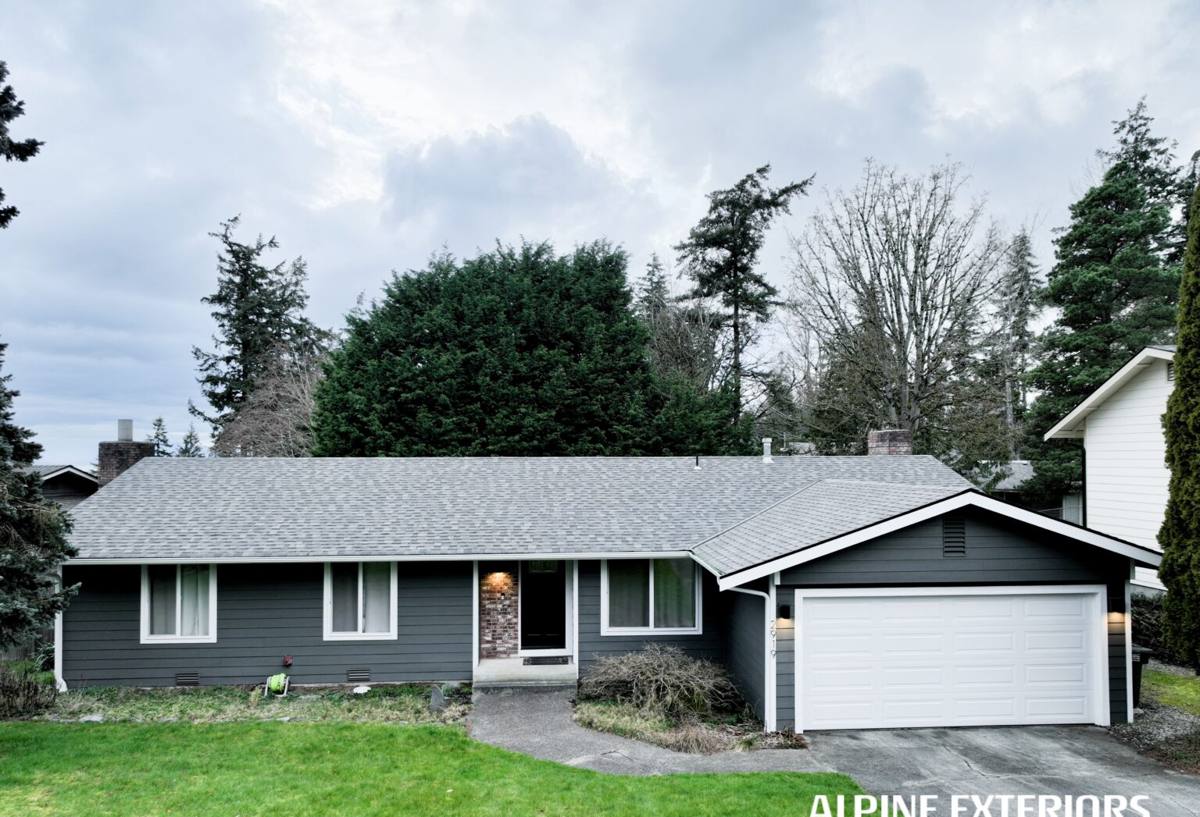
What Brandon's Housing Stock Means for a Siding Project
Brandon is a mix of home ages — established neighborhoods with houses built decades ago, newer subdivisions from the 2000s and 2010s, and everything in between. That mix matters for siding work in a few practical ways:
- Older homes often have original siding that's reached the end of its service life, sometimes with hidden moisture or wood rot behind it that only shows up once the old material comes off.
- Homes built during periods when lower-cost engineered wood or vinyl siding was standard may be due for a full replacement sooner than owners expect, especially if the original installation wasn't done to spec.
- Newer homes may still have builder-grade siding that was installed quickly and cheaply during a construction boom, which is not the same as siding installed carefully by a crew that specializes in it.
- Florida Building Code requirements for wind resistance and moisture management apply across Hillsborough County, but how a crew executes those requirements — house wrap overlap, flashing detail, fastener pattern — varies enormously between contractors.
Whatever the age or style of a Brandon home, the underlying question is the same: is the current siding still doing its job of keeping water out and standing up to sun and wind, or is it just still hanging on the wall?
Why We Install Only James Hardie Fiber Cement
We made a deliberate decision as a company to install James Hardie fiber cement siding exclusively. We don't install vinyl, LP SmartSide, Cemplank, Allura, or primed wood species like spruce or cedar. That's not a marketing angle — it's a standard we hold because of what we've seen matter over the long run in a climate like this one.
Fiber cement is non-combustible, which is a real advantage in Florida's wildfire-adjacent dry seasons and simply a safer material to have on an exterior wall. James Hardie's ColorPlus finish is baked on at the factory under controlled conditions, which gives it more consistent UV and fade resistance than field-applied paint typically achieves — an important factor given how much direct sun Brandon homes absorb year-round. Hardie also engineers specific product lines (their HZ5 formulation) for humid, high-moisture climates like ours, which addresses the exact conditions that cause lesser materials to swell, delaminate, or hold moisture against a wall.
Vinyl siding can warp or crack under sustained heat and impact, and it relies on overlapping panels rather than a sealed, monolithic-looking surface, which changes how it handles wind-driven rain. Wood-based and engineered wood products carry more sensitivity to moisture intrusion at cut edges and seams — manageable with meticulous maintenance, but that maintenance burden falls on the homeowner indefinitely. Fiber cement's density and composition simply hold up differently under UV, humidity, and wind-driven rain over a 20-30 year horizon, which is the timeframe that actually matters to a homeowner who doesn't want to redo this project twice.
What a Correct Installation Actually Involves
Siding is only as good as the water management system underneath it. The visible boards or panels get all the attention, but the parts that determine whether a job lasts are mostly hidden once the project is done:
Moisture barrier and drainage plane
A weather-resistant barrier goes over the sheathing before any siding touches the wall, and it needs to be installed with correct overlaps, sealed penetrations, and a functioning drainage plane behind the siding so that any moisture that does get past the surface has somewhere to go.
Flashing at every transition
Windows, doors, roof-to-wall intersections, and any other place where two building elements meet are where water intrusion actually happens. Flashing has to be integrated correctly at each of these points — not just caulked over — or you end up with a wall system that looks fine but is failing behind the surface.
Fastening and clearances
James Hardie specifies exact fastener types, spacing, and penetration depth for their products, along with minimum clearances from grade, roof lines, and other surfaces. These specs exist because Hardie has engineered them around real-world wind and moisture performance, and skipping them is one of the most common ways a siding job voids its warranty and underperforms in a storm.
Joint and seam treatment
Butt joints, corners, and panel seams need to be treated with the correct sealants and techniques for fiber cement specifically — not treated like a generic exterior material — to hold up against the humidity and wind-driven rain typical of a Brandon summer.
Here's a simple pre-installation checklist we run through before crews start on any Brandon project:
- Full inspection of existing sheathing and framing once old siding is removed, checking for rot or moisture damage
- Confirmation of correct weather-resistant barrier product and installation method for the specific wall assembly
- Flashing plan reviewed for every window, door, and roof intersection before the first course goes up
- Fastener schedule matched to the specific Hardie product line being installed
- Clearance verification at grade, roofline, and any attached structures (decks, porches, garages)
- Final walkthrough covering caulking, paint touch-up at cut edges, and trim details
Our Process From Estimate to Final Walkthrough
We keep the process straightforward and communicate at each stage, because siding replacement is a significant investment and homeowners deserve to know what's happening and why.
- Initial assessment: We walk the exterior with you, look at the current siding condition, note any problem areas (moisture staining, soft spots, previous repairs), and talk through what you want out of the project — color, style, timeline.
- Estimate and product selection: We put together a detailed estimate and walk you through the relevant James Hardie product lines and finishes for your home, explaining the trade-offs of each option honestly.
- Tear-off and inspection: Old siding comes off and we inspect the sheathing underneath before anything new goes up. If there's damage, we address it before covering it — not after.
- Weather barrier and flashing: This is the stage that determines long-term performance, and it's not rushed.
- Siding installation: Installed to James Hardie's fastening and clearance specifications, course by course, with attention to how the house actually handles wind and water at every seam.
- Final walkthrough: We go over the finished job with you directly, address any punch-list items, and make sure you know basic care going forward.
Cost Factors for a Brandon Siding Project
Every home is different, but the variables that actually move the price on a Brandon siding job tend to fall into a consistent set of categories:
| Factor | Why It Matters |
|---|---|
| Home size and wall complexity | More square footage and more corners, dormers, and roof intersections mean more material and more labor-intensive detail work |
| Existing siding removal and disposal | Tear-off scope and what condition the sheathing underneath is in once exposed |
| Sheathing or framing repair | Rot or moisture damage found during tear-off has to be addressed before new siding goes on |
| James Hardie product line selected | Lap siding, panel systems, and shingle-style profiles carry different material costs |
| Trim and accessory work | Corner boards, window and door trim, and fascia details add labor and material |
| Access and site conditions | Two-story sections, tight lot lines, or landscaping close to the house can affect labor time |
We give a firm, itemized estimate before any work begins, so there's no guessing about what's driving the number.
Why a Crew That Already Works Brandon Matters
Local experience isn't a throwaway line — it affects real parts of the job. A crew that regularly works in Brandon and greater Hillsborough County already understands the county's permitting process and inspection expectations, knows how local wind and moisture conditions tend to stress a wall assembly over time, and has likely already seen how different neighborhoods' housing stock ages. That familiarity shows up in fewer surprises during tear-off, fewer permitting delays, and a crew that isn't learning Florida Building Code wind requirements for the first time on your house.
It also means accountability. A contractor with an ongoing presence in the Tampa area has a reputation to maintain in the community they keep working in — which is a different incentive structure than a crew that's just passing through on a single job.
Caring for Your Siding After Installation
James Hardie siding is low-maintenance compared to wood, but "low-maintenance" doesn't mean "no maintenance," especially in a climate like Brandon's. A simple annual routine goes a long way: rinse the exterior with a garden hose (not a high-pressure washer aimed directly at seams) to clear salt residue, pollen, and grime; inspect caulking around windows, doors, and trim once a year and touch up as needed; and keep an eye on any spots where sprinklers or landscaping keep siding consistently wet, since prolonged moisture contact anywhere is worth addressing regardless of the siding material. ColorPlus finishes hold their color well without repainting, but cut edges exposed during installation should always be properly sealed and touched up — something we handle as a standard part of our finish work, not an afterthought.
Get a Straightforward Estimate
If your Brandon home's siding is showing its age, or you're planning ahead of a renovation, we're happy to come take a look and give you a straightforward, no-pressure estimate. There's no obligation — just an honest assessment of what your home needs and what it would take to do the job right. Use the form below to get started.