 Tampa Siding
 Carrollwood's Climate Is Tougher on Siding Than Most Homeowners Realize
Carrollwood sits inland from Tampa Bay in Hillsborough County, but "inland" doesn't mean sheltered. The same weather pattern that batters the coastline reaches Carrollwood too: long stretches of intense summer UV, afternoon thunderstorms that drive rain sideways into exterior walls, humidity that rarely lets up, and the real possibility of hurricane-force wind gusts several times a decade. Add in the salt-tinged air that carries well inland from the Gulf and Tampa Bay on onshore winds, and you have a climate that is genuinely hard on exterior building materials, siding included.
Most siding problems we get called out for in this area aren't caused by one dramatic storm. They're caused by years of cumulative exposure: sun bleaching color out of a surface coating, moisture working into seams and fastener holes, humidity keeping wall cavities damp longer than they should stay damp. By the time a homeowner notices bubbling paint, soft spots, or streaking, the damage has usually been building for a while.
The Kind of Homes You Find in Carrollwood
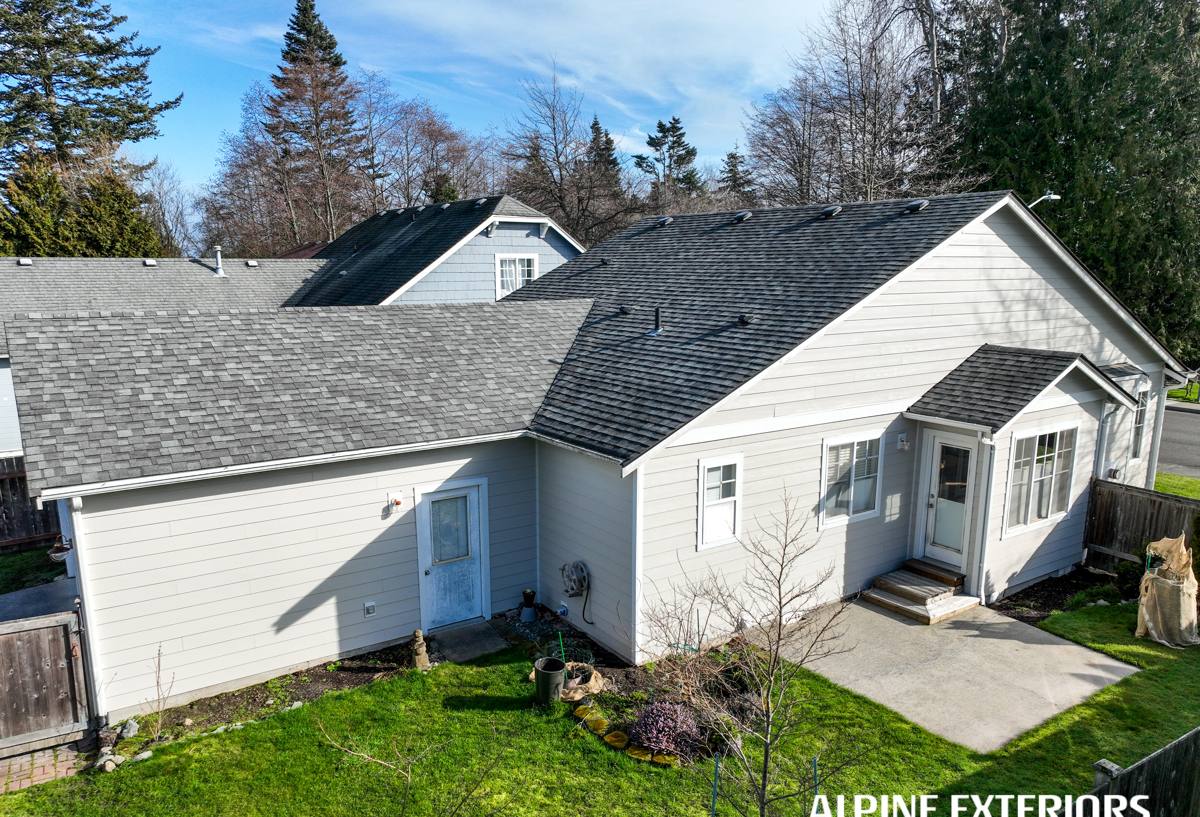
Carrollwood is one of the more established residential areas north of downtown Tampa, with a mix of home ages and styles that's different from a lot of newer Tampa subdivisions. You'll find older ranch-style homes from the area's early development years sitting alongside newer construction and remodels, often on lots with mature tree canopy and, in parts of the community, proximity to the area's lakes. That tree cover is a mixed blessing for exterior surfaces — it cuts down on some direct sun exposure, but it also keeps humidity trapped against walls longer and drops organic debris that holds moisture against siding if it isn't cleared.
Because so many homes here were built or last re-sided years ago, we regularly run into original wood siding that's reached the end of its practical life, older vinyl that's chalked and faded, and in some cases siding that was never well suited to Florida's climate to begin with. Matching a repair or replacement to a home's age and existing trim details is part of the job — it's not a one-size-fits-all product.
What We Typically Find on an Inspection
- Wood siding with soft, delaminating, or rotted sections, especially near ground contact and roof lines
- Vinyl siding that's warped, cracked, or visibly faded from years of UV exposure
- Caulking and trim joints that have opened up, letting wind-driven rain behind the siding
- Moisture staining or discoloration at butt joints and around window and door casings
- Paint film failure — peeling, chalking, or blistering — on older painted siding systems
Why Wood and Vinyl Struggle in This Climate
Wood siding needs a maintained paint or stain film to keep water out, and Tampa's humidity and rain frequency work against that film constantly. Once moisture gets behind wood siding, rot can spread inside the wall before it's visible from outside. Vinyl siding handles moisture better than wood, but it wasn't designed to be a structural or fully weathertight barrier on its own, and prolonged UV exposure — which Carrollwood gets in abundance — causes it to fade and become brittle over time. In a strong wind event, aging or improperly fastened vinyl is also prone to cracking or blowing off entirely.
These aren't defects unique to any one manufacturer. They're inherent trade-offs of the materials themselves, and they're the reason we made a deliberate decision about what we will and won't put on a Carrollwood home.
Why We Only Install James Hardie Fiber Cement Siding
We install James Hardie fiber cement siding exclusively. We don't install vinyl, LP SmartSide, Cemplank, Allura, or primed spruce and cedar siding. That's a deliberate standard, not a sales pitch, and it's worth explaining honestly.
Fiber cement is a blend of cement, sand, and cellulose fibers, which makes it non-combustible and dimensionally stable in a way wood and vinyl products aren't. It doesn't warp in heat the way vinyl can, and it doesn't rot the way untreated or engineered wood products can if moisture gets past the finish. James Hardie backs its siding with a factory-applied finish system called ColorPlus, which is baked on under controlled conditions rather than field-applied — that matters in a climate where UV exposure is relentless and hand-painted or field-primed finishes tend to fail faster.
James Hardie also engineers specific product formulations for different climate zones, including an HZ5 line built for regions like ours that deal with high humidity and moisture exposure. That's a meaningful difference from generic siding sold the same way regardless of where it's installed. We're not saying every other product is worthless — we're saying that after years of doing exterior work in this climate, this is the system we trust enough to put our name behind and back with a warranty.
What This Means in Practice for a Carrollwood Home
- A siding system engineered for high-humidity, high-UV, storm-prone climates rather than a general-purpose product
- A factory finish that resists fading and chalking far longer than field-applied paint
- Non-combustible material, which matters for both safety and, in many cases, insurance considerations
- A manufacturer warranty structure that's transferable, which helps resale value on a home that changes hands down the road
James Hardie Product Lines That Fit This Area
James Hardie makes several distinct profiles, and picking the right one depends on the home's style and existing trim. HardiePlank lap siding is the most common choice for the ranch and traditional home styles you see throughout Carrollwood, giving a clean horizontal reveal that matches what's already there. HardiePanel vertical siding works well for accent walls, gables, or homes with a more modern or craftsman-style look. HardieTrim boards finish out corners, window casings, and fascia so the whole exterior reads as one cohesive system rather than mismatched materials.
Color selection matters too. ColorPlus finishes come in a range of options designed to hold up under Florida sun without the fading you'd expect from a standard paint job, and because the color is baked into the finish at the factory, touch-up and future maintenance are simpler than with field-painted siding.
Comparing Siding Materials for a Climate Like Ours
| Factor | Wood Siding | Vinyl Siding | James Hardie Fiber Cement |
|---|---|---|---|
| Moisture/rot resistance | Poor without diligent maintenance | Doesn't rot, but seams can let water in | Engineered for humid, wet climates (HZ5) |
| UV/fade resistance | Paint fades and chalks over time | Fades and can become brittle | Factory ColorPlus finish resists fading |
| Wind performance | Fasteners can loosen; boards can crack | Can crack or blow off in high gusts if aged | Heavier, rigid material with strong fastening |
| Fire resistance | Combustible | Combustible | Non-combustible |
| Typical maintenance | Repaint/reseal every few years | Periodic cleaning; limited repair options | Occasional cleaning; long-lived factory finish |
| Warranty structure | Varies, often limited | Varies by manufacturer | Strong, transferable manufacturer warranty |
Why a Local Crew Matters for This Kind of Work
Fiber cement siding is only as good as its installation. Improper fastening, wrong nail spacing, unsealed butt joints, or ignoring manufacturer clearance requirements from grade, roofing, or decks can undermine even the best product. A crew that works throughout Tampa and Hillsborough County day in and day out understands the local permitting process, knows how to detail siding around the region's common roof and gutter configurations, and builds in the moisture management details — proper flashing, weep screeds, correct clearances — that matter most in a climate that gives water so many chances to get in.
Local experience also means recognizing what's specific to a neighborhood like Carrollwood: mature tree cover that changes how much a wall dries out between rain events, older homes where trim and window details need to be matched rather than replaced wholesale, and lake-adjacent lots where humidity sits a little heavier than it does elsewhere.
Siding Is Rarely the Whole Story
Siding failures often show up alongside other exterior issues, because the same weather is working on the whole envelope of the house at once. We handle roofing, windows, and decks in addition to siding, which matters when problems overlap — a roof leak that's been wicking moisture into a wall cavity, window flashing that's failed and is feeding water behind the siding, or a deck ledger board that needs to tie in cleanly with new siding above it. Looking at the exterior as one connected system, rather than a series of unrelated repairs, catches problems that a siding-only assessment would miss.
Signs It's Time to Have Your Siding Looked At
- Visible warping, buckling, or gaps between siding panels
- Soft or spongy spots when you press on wood siding
- Paint that's peeling, bubbling, or chalking off on your hand when touched
- Increasing energy bills that could point to moisture-compromised insulation behind the siding
- Mold, mildew, or persistent staining that returns shortly after cleaning
- Siding that's more than 20-25 years old and has never been replaced
What to Expect from an Estimate
A thorough exterior estimate should include a close look at the current siding condition, an assessment of any underlying moisture or structural issues, and a clear explanation of what product and installation approach fits your specific home — not a generic quote. Cost factors typically include the size and complexity of the home's exterior, the amount of trim and detail work involved, whether there's existing damage that needs remediation before new siding goes on, and the specific Hardie profile and finish selected.
If your Carrollwood home's siding is showing its age, or you're just not sure what condition it's really in, we're happy to take a look. There's no pressure and no obligation — just a straightforward assessment and, if you want it, a written estimate using the free form on this page.