 Tampa Siding
 Siding Built for How Wesley Chapel Actually Grows
Wesley Chapel has been one of the fastest-changing communities on the north side of the Tampa Bay area for years now. New subdivisions keep filling in what used to be open land, builders keep turning over new phases, and a lot of homeowners here are living in houses that are somewhere between five and twenty years old — old enough that original exterior materials are starting to show wear, but new enough that many owners haven't had to think hard about siding, roofing, or windows before.
That combination matters. A lot of production-built homes in growth corridors like this one went up with cost-driven exterior choices: thin vinyl, primed wood trim, or fiber cement installed quickly to keep pace with a subdivision's build schedule. Those choices aren't automatically bad, but they weren't always installed with this specific climate in mind, and it shows up later in the form of cupping, caulk failure, and moisture intrusion around windows and doors.
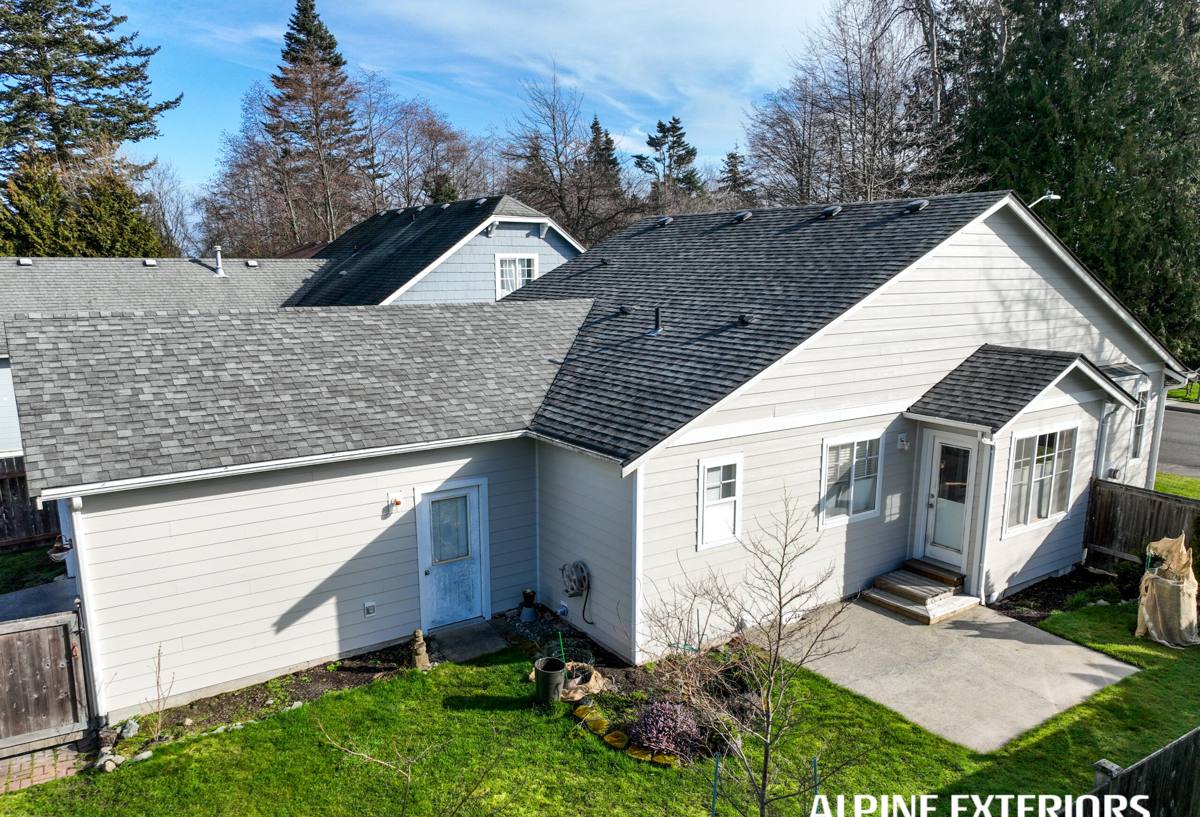
What the Climate Actually Does to Exteriors Here
Whether a home sits closer to the Tampa side of the metro or further out toward the Pasco County line, the exterior punishment is the same. A few things stack up on siding, trim, and roofing year after year:
- Intense, near-constant UV exposure — Florida sun breaks down paint films, fades color, and dries out caulk and wood fiber faster than most homeowners expect.
- Wind-driven rain — afternoon storms don't just fall straight down here; wind pushes rain sideways into seams, laps, and trim joints where it can work its way behind the cladding.
- Hurricane-force wind events — even when a storm's center passes well offshore or well inland, Tampa Bay routinely sees tropical-storm and hurricane-force gusts that test how well siding is fastened and how well it holds up to flying debris.
- High humidity and heat cycling — constant swings between soaked and baked stress any material that isn't dimensionally stable, and it accelerates rot in anything wood-based.
None of this is unique to Wesley Chapel, but it's worth saying plainly: this is not a mild climate for exterior materials. Products that perform fine in a drier or cooler part of the country get tested hard here.
Why We Only Install James Hardie Fiber Cement
We made a decision a long time ago to stop installing vinyl siding, LP SmartSide, and other wood-based or composite sidings, and to standardize on James Hardie fiber cement exclusively. That's not a marketing angle — it's a reflection of what we've seen hold up in this climate and what we're willing to put our name behind.
What Hardie gets right for this area
Fiber cement is non-combustible, which matters in a state where wildfire risk is real in drier stretches and where insurers increasingly ask about exterior material. It's also dimensionally stable — it doesn't expand and contract the way vinyl does in Florida heat, and it doesn't absorb and swell with moisture the way engineered wood products can if a seam or cut edge gets exposed. Hardie's HZ5 product line is specifically engineered for hot, humid climates, which is exactly the environment Wesley Chapel sits in.
The factory finish matters more here than most places
Hardie's ColorPlus finish is baked on at the factory under controlled conditions, and it carries its own finish warranty separate from the substrate. In a climate where UV degrades paint faster than almost anywhere else in the country, a factory finish that's engineered to resist fading holds up better than field-applied paint on trim or lap siding, and it means fewer repaint cycles over the life of the siding.
How Hardie Compares to Other Common Options
| Material | Moisture Behavior | UV/Fade Resistance | Wind/Impact Performance | Long-Term Maintenance |
|---|---|---|---|---|
| James Hardie Fiber Cement | Dimensionally stable, does not rot | Factory ColorPlus finish resists fading | Engineered HZ5 line rated for high-wind regions | Low — occasional caulk/paint touch-up at trim |
| Vinyl Siding | Doesn't rot, but seams can allow water behind panels | Fades and can become brittle under sustained UV | Can deform, crack, or blow off in high wind | Low, but limited repair options once faded |
| LP SmartSide / Engineered Wood | Wood-based; vulnerable at cut edges and seams if not maintained | Requires field-applied paint that fades faster than factory finish | Generally solid when installed correctly | Higher — edge sealing and repainting are ongoing |
| Primed Spruce or Cedar | Natural wood; absorbs moisture, prone to rot without diligent upkeep | Paint fades quickly in intense sun | Performance depends heavily on fastening and maintenance | Highest — regular repainting and inspection required |
We're not going to tell you every vinyl or engineered-wood job in the area is failing — plenty perform fine for years when installed well and maintained. But when we weigh moisture behavior, UV resistance, and long-term maintenance against what this climate demands, fiber cement is what we're comfortable standing behind as installers.
New Construction, HOAs, and Matching Existing Exteriors
Because so much of Wesley Chapel is newer construction, a lot of our conversations here start with an HOA architectural review question: what colors are approved, whether a repair needs to match existing siding exactly, or whether a partial replacement (after storm damage, for instance) needs to blend with adjacent unaffected sections. Hardie's factory-finished color consistency actually makes this easier than field-painted alternatives, since a new run of ColorPlus siding matches far more predictably than trying to color-match a hand-painted repair years after the original install.
If your community has an architectural review board, we're used to working within that process — pulling color specs, sheet specs, and submitting what's needed before work starts.
Checklist: Signs Your Siding Needs a Look
- Visible cupping, warping, or soft spots in lap siding or trim boards
- Caulk lines at joints and window trim that are cracked, shrunk, or missing
- Paint that's chalking, peeling, or noticeably faded on one side of the house more than others
- Soft or discolored drywall on interior walls near exterior corners (a sign of moisture getting behind the cladding)
- Visible gaps, buckling, or panels that have come loose after a windstorm
- Rising energy bills that coincide with visible exterior wear (a sign the wall assembly isn't performing as it should)
The Full Exterior Envelope: Roofing, Windows, and Decks
Siding doesn't work in isolation — it's one piece of how a house sheds water and stands up to wind. We handle roofing, windows, and decks as well, because a lot of the moisture and wind problems homeowners bring us start at a roof-to-wall transition, a window flashing detail, or a deck ledger board, not the siding field itself.
Roofing
A roof that's past its service life or missing shingles after a wind event puts water directly behind newly installed siding, which undoes the whole point of replacing it. We look at roof condition as part of any siding conversation, not as an upsell.
Windows
Window flashing and trim details are one of the most common failure points we find during tear-off. Replacing siding without addressing failed window flashing just repeats the same moisture problem behind new material.
Decks
Outdoor living is a big part of why people move to communities like Wesley Chapel in the first place, and decks take the same UV and moisture beating as siding, just closer to the ground and with more direct foot traffic and fastener exposure.
What Correct Installation Actually Involves
Fiber cement performs the way it's engineered to only when it's installed to manufacturer spec. That means correct fastener placement and spacing, proper clearance from grade and roof lines, correctly lapped and sealed joints, and factory-cut or properly sealed field cuts so raw edges aren't left exposed to moisture. It also means respecting manufacturer-specified gaps at trim and openings so the material can handle normal thermal movement without cracking caulk joints prematurely.
This is also where a lot of the "why did my siding fail" stories we hear actually originate — not from the material itself, but from shortcuts taken during installation. It's a meaningful part of why we standardized on one product: it lets our crews build deep, repeatable expertise installing it correctly, rather than switching specs from job to job.
Why a Local Crew Matters
A crew that works this specific corridor day in and day out knows what a Wesley Chapel roofline typically looks like, what HOA review boards in the area tend to ask for, and how fast wind-driven rain can find a gap in flashing during a summer storm. That local familiarity shortens the guesswork on estimates and shows up in fewer surprises once a project starts. We're a Hillsborough County-based crew that treats this area as home turf, not a territory we drive into occasionally.
If your Wesley Chapel home is due for new siding, or you want a straight answer on whether your current exterior needs repair or full replacement, we're happy to take a look. Fill out the form below for a free, no-pressure estimate.