 Tampa Siding
 Cedar Siding Looks Great in the Showroom. Tampa Is Not a Showroom.
Cedar siding has a real appeal. The grain, the warmth of the color, the way it ages if it's cared for — there's a reason it shows up on architectural magazine covers and in mountain towns from Colorado to the Pacific Northwest. We're not going to pretend cedar is a bad piece of wood. It isn't. What we will tell you, plainly, is that cedar and the climate here in Tampa and greater Hillsborough County are not a good match, and after years of installing and repairing siding on Florida homes, we made the decision to stop offering it. This page explains why, in specific terms, not vague ones.
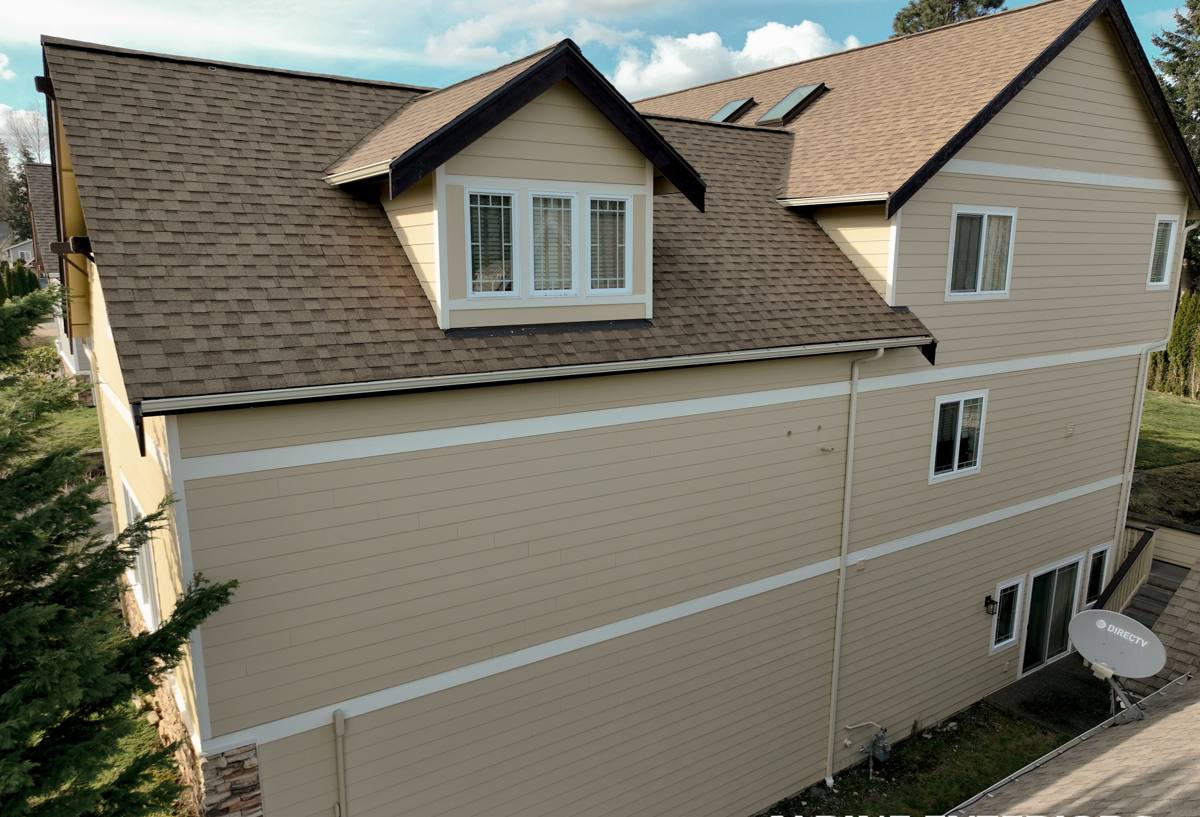
What Cedar Siding Actually Is
Cedar siding is a natural wood product, typically western red cedar or Atlantic white cedar, milled into lap boards, shingles, or shakes. It's prized for a naturally occurring oil content that gives it some inherent resistance to insects and rot compared to other softwoods, plus a tight, straight grain that takes stain and paint well. Under the right conditions — moderate humidity, good airflow, a covered overhang, an owner who re-stains on schedule — cedar can last for decades.
The key phrase there is "under the right conditions." Tampa's conditions are not those conditions.
Why Cedar Was Popular Before Engineered Alternatives Existed
For most of the 20th century, wood was simply the option available. Fiber cement as we know it today didn't exist in a scalable, factory-finished form until the 1980s and 90s, and vinyl was still working out its early quality issues. Cedar was the premium choice because the alternatives were worse. That's no longer true, and it's a big part of why cedar's market share on new construction and re-siding jobs has shrunk steadily over the past two decades, especially in the Southeast.
The Climate Problem, Specifically
Every wood siding product has one fundamental enemy: moisture cycling. Wood swells when it absorbs water and shrinks as it dries. Do that enough times and the wood fibers break down, paint and stain lose their grip, and joints open up. Tampa gives cedar four separate ways to go through that cycle in a single year.
Humidity and Wind-Driven Rain
Hillsborough County sits in a subtropical climate with year-round humidity typically in the 60-90% range and a wet season that runs roughly June through September. Add wind-driven rain from summer storms and the occasional tropical system, and cedar siding here is rarely fully dry. Wood that doesn't get a chance to dry out between rain events is wood that's actively decaying, even when it looks fine from the curb.
UV Exposure
Florida's sun angle and day length mean siding here takes a heavier UV dose annually than siding in most of the country. UV breaks down the lignin in wood fibers and degrades stain and paint film far faster than the same products would fail in a milder climate. A stain schedule that might stretch to 5-6 years in the Pacific Northwest often needs to happen every 2-3 years here just to keep the wood protected.
Hurricane-Force Wind and Wind-Driven Debris
Cedar lap and shingle siding is fastened in a way that assumes moderate wind loads. In hurricane-force gusts, wood siding is more prone to lifting, cracking, and fastener pull-through than fiber cement rated for high-velocity hurricane zones, and wind-driven debris — branches, grit, roofing granules from neighboring homes — dents and gouges the surface, opening entry points for water.
Salt Air
Tampa's proximity to the Gulf means salt-laden air reaches well inland, not just on waterfront lots. Salt accelerates fastener corrosion and, combined with humidity, speeds up the breakdown of any exposed finish. Cedar's natural oils don't do anything to stop salt corrosion of the nails and staples holding the boards on.
What Cedar Maintenance Actually Looks Like Here
This is the part most homeowners underestimate when they're comparing siding options on price or looks alone. Cedar isn't a "install it and forget it" product anywhere, and in this climate the maintenance schedule compresses hard.
- Re-staining or re-sealing every 2-3 years, not the 5+ years often advertised for cedar in general marketing material
- Annual inspection for cupping, cracking, and checking (splitting along the grain) after hurricane season
- Caulk and joint inspection at least once a year — open joints are where bulk water gets behind the siding
- Prompt spot-treatment of any mold, mildew, or algae growth before it works into the wood grain
- Fastener inspection for corrosion or backing-out, particularly on south and west-facing walls
- Replacement of individual boards as they split, cup, or rot — patch repairs that rarely match weathered surrounding boards perfectly
- Budget for a pressure-washing service that's gentle enough not to blast the surface, since aggressive pressure washing accelerates wood erosion
None of that is exotic or unreasonable to ask of a homeowner who wants cedar specifically for its look. But most people buying siding aren't shopping for a maintenance hobby — they want an exterior that holds up with normal, occasional attention. Cedar in Tampa asks for more than that.
Cost Over Time: Cedar vs. Fiber Cement
Upfront material and labor cost for cedar is often comparable to, or sometimes less than, a premium fiber cement install. The real cost difference shows up over a 15-20 year ownership window, once you account for refinishing labor, board replacement, and the shorter realistic service life in this climate.
| Factor | Cedar Siding (Tampa climate) | James Hardie Fiber Cement |
|---|---|---|
| Refinishing interval | Every 2-3 years (stain/seal) | ColorPlus factory finish typically holds 15 years before repaint is needed |
| Realistic service life here | Often 12-20 years with diligent upkeep; less with deferred maintenance | Engineered and warranted for decades of Florida exposure when installed to spec |
| Hurricane/wind performance | Vulnerable to lifting, cracking, fastener pull-through in high gusts | HZ5 product line engineered for high-humidity, high-wind Southern climates |
| Fire behavior | Combustible wood product | Non-combustible, does not contribute fuel to a fire |
| Insect/rot exposure | Natural oils provide some resistance, but continuous moisture defeats it over time | Cement composition is not a food source for insects or rot fungi |
| Warranty structure | Varies by finish product; wood itself typically not warranted against moisture damage | Manufacturer-backed warranty on the substrate, transferable to a subsequent owner |
Add up refinishing labor alone over two decades and cedar frequently costs more in total ownership than a one-time premium fiber cement install, before you even weigh in board replacement or the risk of hurricane damage.
What Happens When Cedar Maintenance Gets Deferred
We've been called out to plenty of homes in the Tampa Bay area with neglected cedar siding, and the pattern is consistent. A homeowner buys the house with cedar already on it, doesn't realize the refinishing schedule is that aggressive for this climate, and by the time visible problems show up — graying, cupping, soft spots, or mold staining — there's often moisture damage to the sheathing or framing behind the siding, not just the boards themselves. That turns a refinishing job into a tear-off and structural repair job. This isn't a knock on cedar as a material; it's what happens to any wood product when a climate-appropriate maintenance schedule doesn't get followed, and Tampa's climate leaves very little margin for skipping years.
Why We Standardized on James Hardie Instead
We made a decision as a company to install James Hardie fiber cement siding exclusively, and this isn't a marketing position — it's a maintenance-and-durability position based on what actually holds up in Hillsborough County weather.
Built for This Climate Specifically
Hardie's HZ5 product line is engineered for hot, humid, high-wind Southern climates — it's not a one-size-fits-all product adapted after the fact. That matters when you're dealing with the specific combination of UV load, humidity, and wind Tampa gets every year.
Non-Combustible
Fiber cement doesn't burn or contribute fuel to a fire the way wood siding does. That's a meaningful difference in insurance conversations and in wildfire-adjacent areas, and it's simply a safer material choice.
ColorPlus Factory Finish
Instead of a field-applied stain that starts degrading under Florida sun within a couple of years, Hardie's ColorPlus finish is baked on in a factory-controlled process and backed by its own finish warranty — typically holding its color and integrity for around 15 years before a homeowner needs to think about repainting.
A Real, Transferable Warranty
Hardie backs its siding with a manufacturer warranty that transfers to the next owner, which matters both for your own peace of mind and for resale. Wood siding rarely comes with anything comparable, because the manufacturer can't warranty against a maintenance schedule the homeowner controls.
Proven Track Record When Installed to Spec
Fiber cement has now been on Southern homes for over three decades, with a well-documented installation standard. When it's installed correctly — proper flashing, fastening, and clearances — it performs consistently in exactly the conditions that give cedar trouble here.
If You Already Love the Look of Wood
We get it — a lot of people are drawn to cedar for the texture and warmth, not because they specifically want to maintain real wood. Hardie's lap and shingle profiles, along with certain textured ColorPlus finishes, are designed to give you a similar visual character without asking for a 2-3 year refinishing cycle. It's worth seeing in person before assuming wood is the only way to get that look.
Get an Honest Look at Your Options
If you're weighing cedar against fiber cement for a Tampa-area home, we're happy to walk your property, talk through what your specific exposure — sun, wind, proximity to water — means for either product, and give you a straightforward, no-pressure estimate. There's no cost and no obligation to request one.