 Tampa Siding
 Why Color Is a Structural Decision in Tampa, Not Just an Aesthetic One
Most homeowners start a siding conversation by flipping through color swatches. In Tampa, that's backwards. Before you pick a shade, you need siding that can survive what Hillsborough County throws at it every year: months of intense subtropical UV, wind-driven rain off the Gulf and the Bay, salt-laden air if you're anywhere near the coast, and the occasional hurricane-force wind event. A color that looks great on a sample chip in a showroom can chalk, fade unevenly, or peel within a few seasons once it's facing a Tampa summer. That's the real reason color deserves as much scrutiny as the siding material itself.
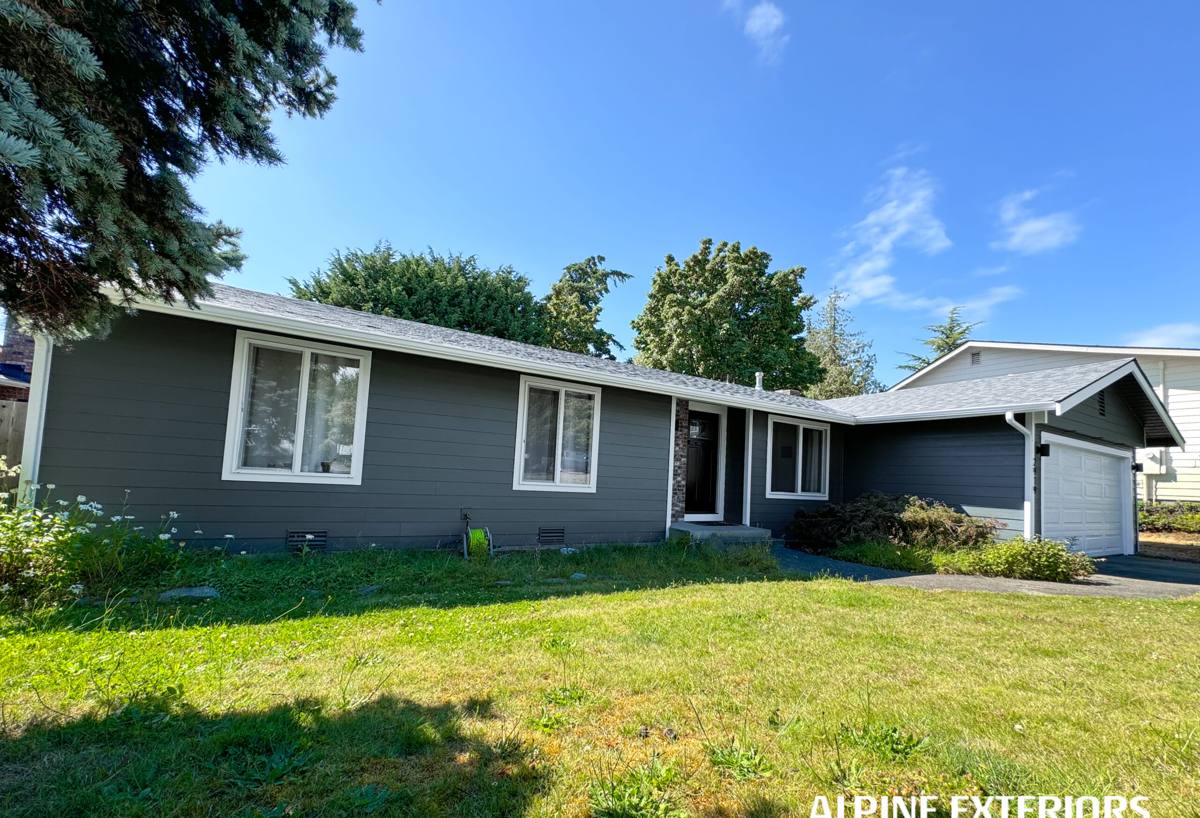
This is also the core reason we install only James Hardie fiber cement siding with factory-applied ColorPlus Technology finishes. The color isn't an afterthought bolted onto the product after installation—it's engineered and tested as part of the system.
What Makes ColorPlus Different From Field-Applied Paint
ColorPlus Technology is James Hardie's baked-on finishing process, applied in a controlled factory environment before the boards ever reach a job site. That distinction matters more in a climate like ours than almost anywhere else in the country.
- Multiple coats, cured under controlled conditions rather than a single field coat exposed to humidity, pollen, and temperature swings during application.
- Consistent coverage on all sides and edges of each board, including cut edges when properly sealed, reducing the raw, unprotected surfaces where paint typically fails first.
- Formulated specifically for fiber cement, so the finish flexes and bonds with the substrate instead of sitting on top of it the way standard exterior paint does.
- Backed by its own warranty, separate from a paint contractor's workmanship guarantee, which typically fades in scope and coverage far faster than a factory finish.
Field-painted siding—whether it's primed fiber cement, primed spruce trim, or a repaint job on old lap siding—depends entirely on weather conditions during application and the skill of whoever's holding the sprayer that day. ColorPlus removes that variable.
Built for This Climate: HZ5 and the Tampa Bay Environment
James Hardie engineers its siding by climate zone under what it calls the HardieZone system. Homes in Hillsborough County and the broader Tampa Bay area fall into the HZ5 category, built for hot, humid, moisture-heavy environments. That matters for color performance specifically because:
- Intense, near year-round UV exposure accelerates fading and chalking in lower-grade finishes.
- High humidity and wind-driven rain push moisture into seams, edges, and fastener points, which is where inferior finishes blister and lift first.
- Salt air along coastal and bayfront properties accelerates the breakdown of finishes not formulated to resist it.
ColorPlus finishes are tested against fading, cracking, and chipping specifically because James Hardie sells into climates like ours. That doesn't mean color never shifts over decades of sun exposure—all exterior finishes weather over time—but it means the finish is starting from a formulation built for this environment, not a generic one.
Coastal and High-Exposure Properties
If your home is within a few miles of Tampa Bay or the Gulf, salt air and driving rain are a bigger factor in your color decision than they are for a home further inland in New Tampa or Brandon. Darker colors on south- and west-facing elevations will run hotter and show any surface residue more readily. It's a real consideration, not a dealbreaker—just something worth discussing before you commit to a shade for the sun-facing side of the house.
The James Hardie Color Palette
The Statement Collection
James Hardie's premium ColorPlus lineup, the Statement Collection, offers roughly two dozen designer-curated colors ranging from crisp whites and warm neutrals to deeper grays, blues, and greens. These are the colors most homeowners land on for lap siding, board and batten, and trim combinations. Exact names and availability shift over time as the collection is refreshed, so we always confirm current swatches and lead times before finalizing a selection—but the range covers everything from classic Florida coastal whites and creams to deeper, more contemporary charcoal and navy tones that have become popular in South Tampa and Hyde Park renovations.
Primed Siding
James Hardie also offers a primed-only option for homeowners who want to field-paint in a custom color not available in ColorPlus. We're upfront with clients about the trade-off: you gain unlimited color choice, but you take on a repaint cycle, the labor cost that comes with it, and a paint warranty that won't match what ColorPlus provides. For most Tampa homeowners, the factory finish is the more practical long-term choice.
Choosing a Color for Your Tampa Home
HOA and Neighborhood Considerations
Many Hillsborough County communities—particularly newer developments and some historic districts around Seminole Heights and Hyde Park—have HOA guidelines or design review boards that restrict siding colors to an approved list. Before you fall in love with a shade, check your HOA documents or historic district guidelines. It's a lot easier to confirm approval before ordering material than after.
Heat, Glare, and Roof/Trim Coordination
Darker colors absorb more heat, which can matter on west-facing walls that already take the brunt of Florida afternoon sun. It's rarely a reason to avoid a color you love, but it's worth factoring into where you use it—accent walls, gables, and trim versus full-elevation coverage. We also look at your roof color, driveway, and any brick or stone accents so the siding reads as one cohesive exterior rather than a color chosen in isolation.
Practical Selection Checklist
- Confirm your HOA or historic district's approved exterior color list before selecting.
- View physical ColorPlus samples outdoors, in direct Tampa sunlight, not under indoor showroom lighting.
- Look at the sample at different times of day—morning and late afternoon light shift how a color reads.
- Coordinate siding color against your existing roof, windows, and any masonry that isn't being replaced.
- Ask about trim and accent color pairings, not just the field color of the main siding.
- Confirm lead time on your chosen color—some Statement Collection shades are more readily stocked than others.
Cost Factors in Color Selection
Color itself doesn't usually swing the price of a Hardie project dramatically, but a few related decisions do. The table below outlines what actually moves the cost needle.
| Factor | Why It Affects Cost |
|---|---|
| ColorPlus vs. primed/field-paint | ColorPlus is built into the material price; field-painting adds separate labor and material costs plus recurring repaint cycles. |
| Single color vs. multi-color scheme | Coordinating a body color, accent color, and trim color usually means more cut pieces and material planning, which can add modest labor time. |
| Board profile | Lap siding, shingle-style panels, and board-and-batten all take ColorPlus finishes but have different material and install costs independent of color. |
| Color availability | Less common Statement Collection colors can carry longer lead times, which affects scheduling more than price. |
| Trim and fascia coordination | Matching HardieTrim boards to your siding color in a coordinated palette is straightforward but should be priced as part of the full scope. |
Maintenance and Long-Term Color Care
ColorPlus is low-maintenance, not no-maintenance. Keeping the finish looking like it did on installation day is mostly about staying ahead of Florida's environment rather than fighting a failing product.
- Rinse siding periodically with a garden hose to remove pollen, salt residue, and general grime—avoid high-pressure washing directly at seams and edges.
- Inspect caulking around windows, doors, and trim annually; failed caulk lets moisture behind the siding, which can affect the finish at those points even though the board itself resists moisture damage.
- Trim back landscaping and irrigation heads that spray directly on siding, since constant wetting and mineral deposits accelerate surface staining.
- Address any impact damage (chips from lawn equipment, storm debris) promptly with manufacturer-approved touch-up rather than leaving raw fiber cement exposed.
The Warranty Behind the Color
James Hardie backs its fiber cement substrate with a long, non-prorated limited warranty, and ColorPlus finishes carry their own separate limited warranty covering the factory finish against fading, cracking, and peeling. Both warranties are transferable to a subsequent homeowner if the house sells within the coverage period, which is a genuine selling point when it's time to list the property. That's a materially different position than a field-paint job backed only by a contractor's workmanship guarantee, which typically runs a fraction as long and doesn't follow the house to a new owner.
Why We Only Install James Hardie
We don't install vinyl, LP SmartSide, or other fiber cement brands, and color performance is a big part of why. Vinyl's color is baked into the material itself, which sounds durable but limits you to lighter shades (dark vinyl can warp in Florida heat) and can't be refreshed without full replacement. Other fiber cement products don't carry the same factory-finish track record or warranty structure as ColorPlus. When we stand behind a color choice on a Tampa home, we want that color backed by a manufacturer warranty and a finish process engineered for exactly the climate the house sits in—not a best guess.
If you're weighing colors for an upcoming siding project, we're happy to walk you through physical ColorPlus samples on-site, in your own Tampa lighting, and talk through what fits your home, your neighborhood's guidelines, and your budget. Reach out for a free, no-pressure estimate—there's no obligation, just a straight answer on what would work.