 Tampa Siding
 Siding Built for Westchase, Not Just Installed There
Westchase sits on the western side of Hillsborough County, close enough to Tampa Bay and the Gulf that its homes deal with the same coastal-adjacent stress as neighborhoods right on the water, even without a waterfront address. That means hurricane-force wind exposure during storm season, intense sun load nearly every month of the year, wind-driven rain that gets pushed sideways into wall assemblies, and a steady dose of salt-laden air moving inland off the Gulf. Siding in this part of Tampa isn't just a cosmetic layer — it's the first line of defense against all four of those forces at once, and it needs to be chosen and installed with that reality in mind.
Tampa Siding Co works throughout Hillsborough County, and Westchase is one of the communities where we see a consistent mix of housing stock: a lot of homes built from the 1980s through the 2000s, many with the original siding or a first replacement now reaching the end of its useful life. Whether your home currently has vinyl, an aging fiber cement product, or wood-based siding that's showing its age, the questions homeowners ask us here tend to be the same — will this hold up to the next big storm, and will it still look right in ten years without constant upkeep.
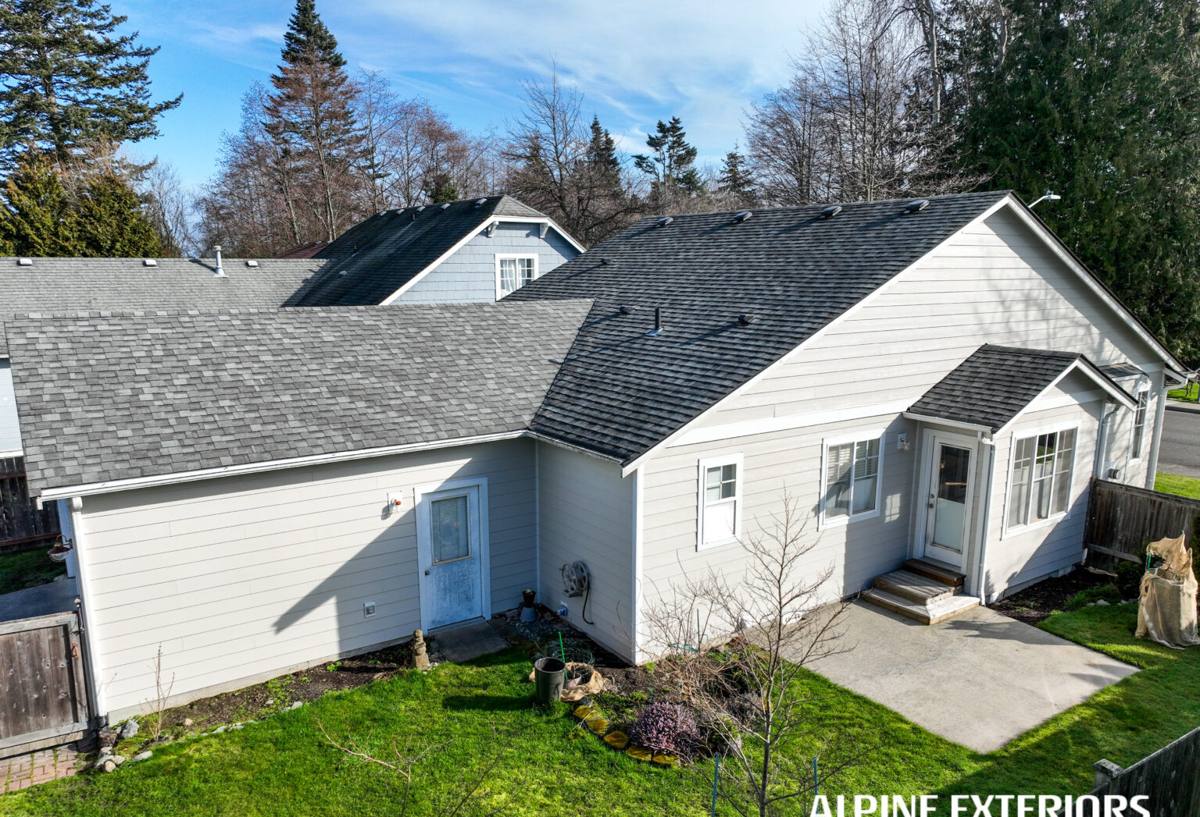
What Westchase Homes Actually Face
Wind and Wind-Driven Rain
Hillsborough County sits in a hurricane-prone wind zone, and Westchase's inland position doesn't exempt it from tropical storm and hurricane wind speeds. Wind alone is a fastening and material-integrity problem — siding has to stay mechanically attached through sustained gusts and pressure changes. But the bigger everyday issue is wind-driven rain: water forced horizontally into siding laps, seams, and penetrations around windows and doors. Products that rely on tight seams or that swell and distort when wet are the ones that eventually let moisture behind the cladding, which is where the real damage — rot, mold, sheathing decay — actually happens.
UV and Heat
Florida sun is relentless, and it doesn't take a hurricane to damage siding — years of UV exposure will do it on its own. Paint chalks and fades, some siding materials become brittle, and dark colors on lower-quality products can warp under heat. A west- or south-facing wall in Westchase can see significant surface temperatures on a summer afternoon, and whatever is on that wall needs a finish engineered to hold color and integrity under that load, not just a standard exterior paint job.
Humidity and Salt Air
Even away from the immediate coastline, the Tampa Bay area's humidity and Gulf-influenced air carry moisture and salt content that accelerates corrosion on fasteners and trim, and that keeps wood-based products perpetually damp at the cellular level. Materials that absorb moisture swell, and repeated swell-and-dry cycles are what eventually cause warping, cupping, and paint failure — a slow process, but a steady one in this climate.
Why We Install James Hardie Fiber Cement — and Only That
Tampa Siding Co installs James Hardie fiber cement siding exclusively. We don't offer vinyl, LP SmartSide, Cemplank, Allura, or primed wood siding as options, and that's a deliberate standard, not a limitation of what we're capable of installing. Fiber cement is non-combustible, doesn't absorb water the way wood-based products do, and holds its shape and fastening integrity in wind events far better than vinyl. James Hardie in particular engineers regional product lines — including an HZ5 line built specifically for climates like ours, with humidity and moisture resistance tuned for the Southeast — and backs the ColorPlus factory finish with a warranty against fading and peeling that beats what field-applied paint can offer.
We're not going to tell you every other product on the market is worthless. Vinyl is inexpensive and low-maintenance in mild climates. Engineered wood products have a warmer look some homeowners prefer. But when we weigh those trade-offs against what Westchase homes actually go through — hurricane wind loads, wind-driven rain, UV, and salt air, year after year — fiber cement with a factory-cured finish is the product we're willing to put our name behind and warranty our labor on.
How Common Siding Materials Compare in This Climate
| Material | Wind/Impact Resistance | Moisture Behavior | Finish Durability | Our Position |
|---|---|---|---|---|
| Vinyl | Can crack or blow off in high wind | Doesn't absorb, but seams can let water behind panels | Color molded in, but fades and chalks over time | Not installed |
| Engineered wood (LP SmartSide) | Good when intact | Vulnerable at cut edges and joints if moisture gets in | Factory finish, but edge sealing is installation-critical | Not installed |
| Primed wood/cedar | Moderate | Absorbs moisture, prone to swelling and rot | Field paint fails fastest of any option here | Not installed |
| James Hardie fiber cement | Strong, engineered for wind zones | Non-combustible, resists moisture-driven swelling | Factory ColorPlus finish, long fade warranty | What we install |
Roofing, Windows, and Decks — The Rest of the Envelope
Siding doesn't work in isolation. Water that gets past a roof edge or a window flange will find its way behind even well-installed siding, so Tampa Siding Co also handles roofing, windows, and decks — the other pieces of the exterior envelope that matter just as much to a Westchase home's long-term durability. A roof-to-wall transition that isn't properly flashed, or a window that isn't sealed to spec, can undermine even the best siding installation. When we're on site for a siding project, we're looking at the whole envelope, not just the wall cladding, because that's how water actually gets found and stopped in this climate.
Why a Local Crew Matters Here
Installation quality matters more with fiber cement than with most siding materials — proper fastening patterns, correct clearances, and sealed joints are what let the product perform to spec in wind and rain. A crew that works across Hillsborough County regularly, rather than one brought in from out of the area for a single job, understands the wind-load requirements local building codes call for and has seen how homes in communities like Westchase actually weather over time. That local familiarity shows up in details: how trim is flashed around windows, how corners are treated, how the bottom starter course is set to keep water moving away from the wall rather than into it.
What to Ask Any Contractor Before You Hire
- Are you licensed and insured to work in Hillsborough County, and can you provide proof?
- Do you install to the manufacturer's wind-zone specifications for this part of Florida, not just a generic install pattern?
- Who handles flashing and moisture barrier details around windows and doors — is that included, or assumed to be "someone else's" work?
- What does your workmanship warranty cover, separate from the manufacturer's product warranty?
- Can you explain, in plain terms, why you recommend the specific product you're proposing for my home?
What a Siding Project Typically Involves
Every home is different, but a fiber cement siding replacement generally follows the same sequence: removing the old siding down to the sheathing, inspecting and repairing any water damage found underneath (which is common on homes with aging siding that's been quietly letting moisture in), installing a proper weather-resistive barrier, then installing the new Hardie panels or planks to manufacturer spec with correct fastening and flashing at every penetration. Trim, corners, and color-matched caulking finish the job. The condition of what's underneath the old siding is often the biggest variable in scope and cost — it's not always visible until the old material comes off.
Cost Factors Worth Understanding
| Factor | Why It Matters |
|---|---|
| Home size and wall complexity | More corners, gables, and dormers mean more cutting, trim, and labor |
| Existing wall condition | Rot or moisture damage found under old siding adds repair scope |
| Product line and profile | Lap width, texture, and color selection affect material cost |
| Accessory work | Trim, soffit, fascia, and flashing details add scope beyond the field siding |
| Access and site conditions | Landscaping, fencing, or multi-story walls affect labor time |
Maintenance Once It's Installed
One of the practical advantages of factory-finished fiber cement is how little upkeep it asks for compared to field-painted materials. A periodic rinse to clear off pollen, salt residue, and general grime, an annual walk-around to check caulking at trim and penetrations, and prompt attention to any impact damage are really the extent of it. That's a meaningful difference from wood-based siding in this climate, where repainting on a recurring cycle is simply part of ownership.
Get a Straight Answer for Your Westchase Home
Every home in Westchase has its own exposure — how much direct sun a wall gets, how sheltered or open the lot is, what the current siding condition actually looks like once you get close to it. We're happy to come take a look, tell you honestly what we see, and walk you through what a James Hardie installation would involve for your specific house. There's no pressure and no cost to get that estimate — just a clear picture of your options.