 Tampa Siding
 Exterior Contractors Serving Lutz, Florida
Lutz sits in the northern reach of Hillsborough County, a mix of older homes on wooded, lake-dotted lots and newer construction pushing out along Dale Mabry and US-41. It's got a different feel than the denser parts of Tampa proper — bigger lots, more tree canopy, more well and septic systems, more homes that back up to conservation land or one of the area's many lakes. That mix changes what a siding, roofing, or window project actually looks like on the ground, and it's part of why we send an experienced local crew rather than treating every job the same way.
We install and repair James Hardie fiber cement siding, handle roofing, replace windows, and build decks for homeowners throughout Lutz and the surrounding Hillsborough County communities. This page focuses on siding, since it's the exterior component that takes the most direct, constant abuse from Florida's climate — but the same local-crew approach applies to every service we offer.
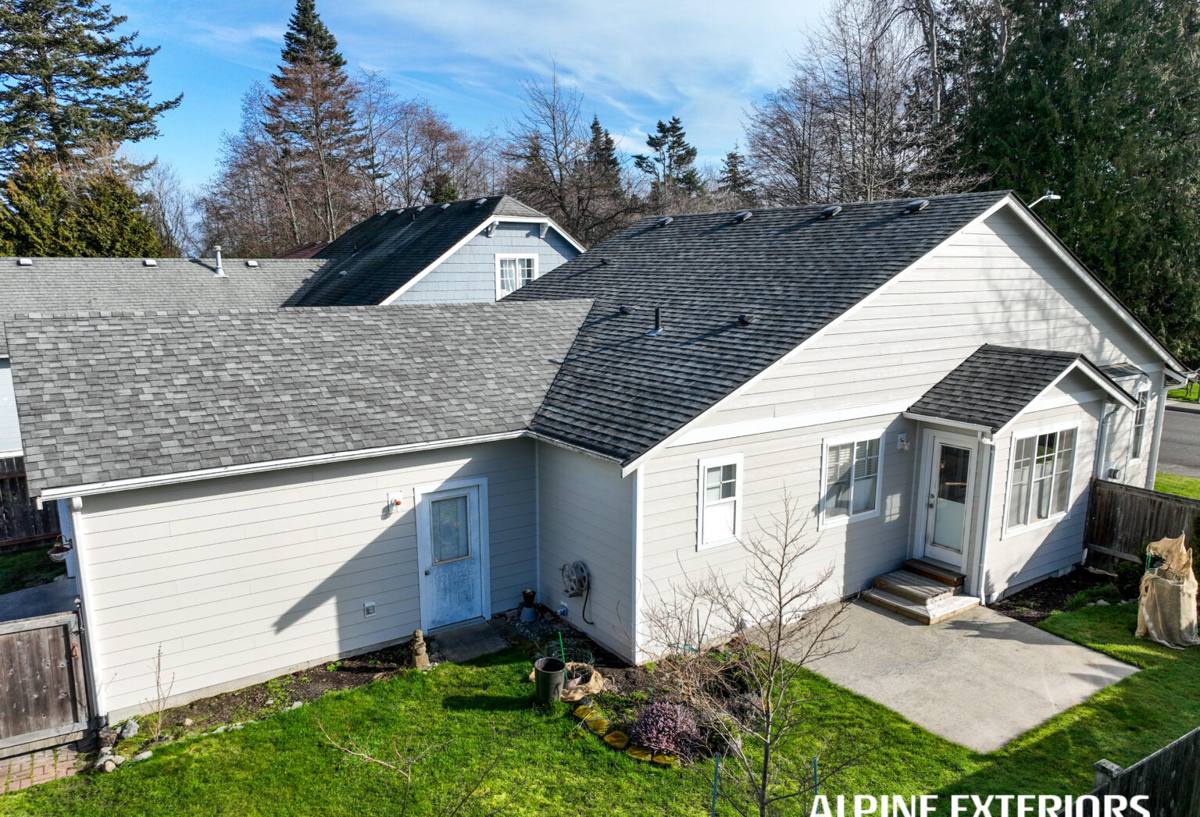
What Lutz Homes Are Up Against
Every exterior in the Tampa Bay area deals with the same baseline: hurricane-force wind events, intense year-round UV exposure, wind-driven rain, and salt-laden air moving in off the Gulf. Lutz isn't waterfront, but it's close enough to the Bay that salt air still plays a role in how fast paint chalks and how quickly untreated wood trim breaks down. Add in Hillsborough County's long, humid summers and near-daily afternoon thunderstorms for much of the year, and you've got a climate that's hard on every part of a house's exterior.
The Tree Canopy Factor
Lutz has more mature tree cover than a lot of newer Tampa subdivisions, which is a real quality-of-life plus — but it also means more shade-related moisture retention on north- and east-facing walls, more leaf and debris buildup in gutters and roof valleys, and a higher chance of storm-driven limb damage during a bad wind event. Siding and trim on heavily shaded sides of a house tend to stay damp longer after rain, which matters a lot if that siding is a wood-based product that swells, and matters much less with a material engineered for moisture resistance.
Older Homes, Older Siding
A fair number of Lutz properties are older ranch and split-level homes built in the 1970s-90s, many originally sided in wood, early composite panels, or aluminum. Decades of Florida sun and humidity are hard on all three — wood rots and delaminates at seams, old composite siding is often the exact product now facing class-action and warranty problems nationally, and aluminum dents, fades, and chalks. If you're in one of these homes and noticing soft spots, bubbling paint, or panels that don't sit flat anymore, it's usually not a cosmetic issue — it's the substrate telling you it's past its service life.
Why We Only Install James Hardie Siding
We made a deliberate call as a company to install James Hardie fiber cement exclusively, and not vinyl, LP SmartSide, or other composite/wood-based siding products. That's not a marketing angle — it's a standard we hold because of how these products actually perform once they're on a Tampa-area house for ten, fifteen, twenty years.
- Non-combustible material — fiber cement doesn't feed a fire the way wood-based products can, which matters more as homes sit closer together in newer Lutz developments.
- Moisture-engineered for humid climates — Hardie's HZ5 product line is specifically formulated for Florida's high-humidity, high-UV conditions, unlike generic siding built to a national average spec.
- Factory-applied ColorPlus finish — baked-on color that resists the fading and chalking that UV exposure causes on field-painted materials, with a much longer repaint interval.
- Won't rot, delaminate, or attract wood-boring insects — a real advantage over wood-based composite siding in a climate this humid.
- Strong transferable warranty — backed by a large, established manufacturer with a long track record, which matters if you sell the house before the warranty period is up.
We're not going to pretend other products don't have their own selling points — vinyl is cheaper up front, and LP SmartSide is lighter and easier to install than fiber cement. But given what we see Florida weather do to exteriors over time, we decided fiber cement was the only material we're willing to stand behind. It costs more to install than vinyl, and it's heavier and more labor-intensive than engineered wood — but we think that trade-off is worth it for a house that's going to sit in this climate for decades.
How Our Siding Process Works
Inspection and Assessment
We start with a walk-around of the whole exterior, not just the sides that look obviously bad. We're checking for soft or delaminating panels, gaps at trim and window flashing, signs of past water intrusion, and anything the tree canopy or lake-adjacent moisture may have accelerated. On older Lutz homes we pay particular attention to what's happening behind the existing siding — old house wrap, sheathing condition, and flashing details all affect how the new installation needs to be done.
Installation to Manufacturer Spec
Fiber cement siding is only as good as its installation. Hardie's own performance and warranty terms depend on correct fastening, clearances, joint treatment, and flashing — cut corners here and you lose the moisture resistance the product is built for, warranty or no warranty. Our crews install to that spec every time, not to whatever's fastest.
Local Permitting and Wind Codes
Hillsborough County follows Florida's high-velocity wind-resistant building code requirements, and siding installation on a Lutz home needs to meet those standards just like anywhere else in the county. We handle the permitting and make sure the install meets code — that's part of the job, not an add-on.
Beyond Siding: Roofing, Windows, and Decks
Siding rarely fails in isolation. A roof that's shedding granules or has compromised flashing sends water down behind the siding above it. Old single-pane or poorly sealed windows let moisture and heat in around the frame, which stresses the siding and trim nearby. A rotting deck ledger board is often connected to the same water intrusion problem that's damaging the siding at that wall. We handle all four — siding, roofing, windows, and decks — because on a lot of Lutz homes, especially older ones, the actual fix touches more than one system.
| Exterior Component | Common Lutz-Area Issue | What We Check |
|---|---|---|
| Siding | Moisture damage on shaded/wooded lots, sun-fade on southern exposure | Panel condition, fastening, flashing, moisture behind cladding |
| Roofing | UV degradation, storm/wind damage, tree debris buildup | Shingle condition, flashing, valleys, attic ventilation |
| Windows | Failed seals, poor insulation, water intrusion at frame | Seal integrity, frame condition, flashing at the opening |
| Decks | Wood rot from humidity, fastener corrosion | Ledger board attachment, structural framing, board condition |
Why a Local Crew Matters
A crew that works Hillsborough County regularly knows the difference between what a permit office in unincorporated Lutz wants to see versus a City of Tampa job, understands how the tree canopy and lake proximity in this area affect moisture behavior, and has seen enough local homes to recognize patterns — which builders used which siding in which decade, which neighborhoods run into specific drainage or grading issues, which areas take the worst of a given storm track. That local knowledge shows up in small decisions throughout a project that a crew unfamiliar with the area would miss.
It also means accountability. If a question comes up two years after installation, you're calling a company that's still working in your neighborhood, not chasing down a crew that was passing through.
Signs It's Time to Have Your Siding Looked At
- Soft spots or visible sagging when you press on siding panels
- Paint that's bubbling, peeling, or chalking heavily on sun-exposed walls
- Visible gaps or separation at seams, corners, or trim boards
- Warping, buckling, or panels that no longer sit flush
- Persistent moisture, mold, or musty smell along interior walls near the exterior
- Rising energy bills that suggest the exterior envelope isn't sealing the way it should
- Visible wood rot or insect damage at siding edges and bottom courses
What to Expect From an Estimate
When we come out to a Lutz property, we're looking at the whole exterior picture — siding condition, but also roof age, window performance, and any deck or structural wood that's exposed to the elements. We'll tell you honestly what needs attention now versus what can wait, and we'll explain why we're recommending James Hardie fiber cement specifically rather than a cheaper alternative, so you're making an informed call rather than just taking our word for it.
If you're in Lutz and dealing with aging or damaged siding — or just want an honest read on where your roof, windows, or deck stand — we'd like to take a look. Reach out for a free, no-pressure estimate using the form below.