 Tampa Siding
 Ybor City's Exterior Is Working Harder Than You Think
Ybor City sits close enough to Tampa Bay that salt-laden air is a constant companion, even on days when the wind is calm. Add in Hillsborough County's brutal summer UV load, months of high humidity, and the wind-driven rain that comes with every strong thunderstorm or tropical system, and you've got an exterior envelope that's under attack from multiple directions at once. Most homeowners don't think about their siding until something goes visibly wrong — a soft spot near the foundation, paint that won't hold, a seam that's started to gap. By then, moisture has usually been working behind the surface for a while.
We install and service siding, roofing, windows, and decks for homes throughout the Ybor City area, and the pattern we see is consistent: exteriors that weren't matched to this climate fail faster than they should, and repairs that ignore the underlying cause just buy a little time before the same problem reappears.
A Neighborhood With a Mixed Housing Stock
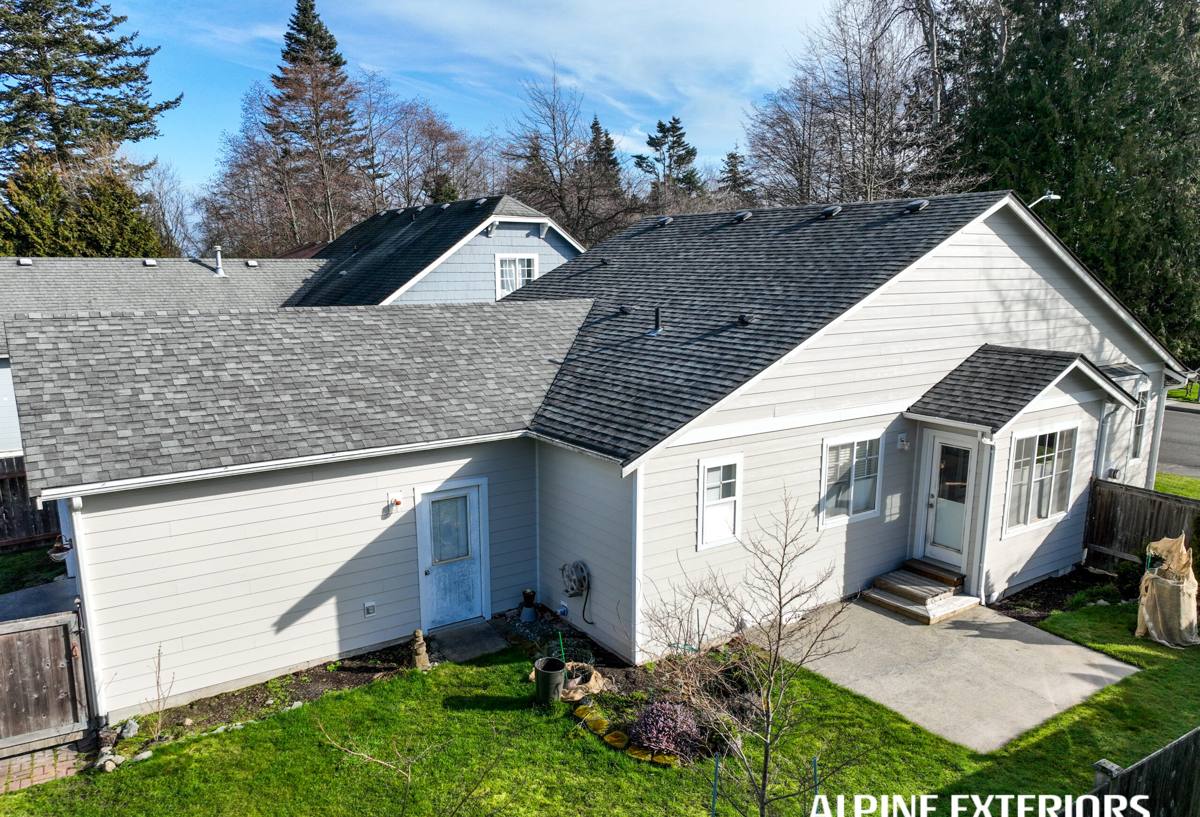
Ybor City is one of Tampa's older, more distinctive neighborhoods, and that shows in the variety of homes you'll find here — bungalows, revival-style houses, and a mix of construction eras sitting close together on relatively narrow lots. That variety matters for siding work. Older homes in this part of Tampa were often built with wood siding or early manufactured products that were never engineered for Florida's specific combination of heat, humidity, and salt exposure. Some have already been through one or two siding replacements. Others still have original material that's held on longer than it probably should have, usually at the cost of ongoing paint and caulk maintenance.
Close lot spacing and older construction also mean drainage and ventilation details behind the siding are sometimes outdated or were never done correctly in the first place. A siding replacement here isn't just a material swap — it's a chance to correct water management issues that have been quietly working against the house for years.
What We Look For on an Ybor City Home
- Soft or spongy siding near grade, downspouts, or under windows — a sign of trapped moisture
- Peeling, bubbling, or chronically fading paint, which points to a substrate that isn't holding a finish anymore
- Gaps at seams, corners, or trim where wind-driven rain can get behind the cladding
- Rust staining or corrosion around fasteners, common with metal trim exposed to salt air
- Visible pest damage or delamination, especially on older wood-based products
Why We Only Install James Hardie Fiber Cement
We made a deliberate decision to install only James Hardie fiber cement siding. We don't install vinyl, LP SmartSide, Cemplank, Allura, or primed wood products like spruce or cedar, and we think homeowners deserve an honest explanation of why.
Vinyl siding is inexpensive and easy to install, but it's a thin plastic product that softens and can warp in extreme heat, gets brittle with long-term UV exposure, and offers little in the way of impact resistance against wind-driven debris. In a market with hurricane-force wind events, that's a real trade-off, not a hypothetical one.
Engineered wood products like LP SmartSide use a treated wood strand substrate that performs well in many climates, but wood-based substrates are inherently more sensitive to sustained moisture exposure than fiber cement. In a humid, storm-prone coastal county, that sensitivity shows up sooner rather than later if flashing, caulking, or paint maintenance ever falls behind.
Other fiber cement brands, like Cemplank and Allura, are legitimate products in their own right. Our decision to standardize on James Hardie isn't about disqualifying the category — it's about consistency. Sticking with one manufacturer means our crews install the same product system on every job, we know its installation specs cold, and we can stand behind the workmanship and the warranty without hedging.
Primed spruce and cedar are traditional, attractive options, but "primed" is not "finished." Raw wood siding depends entirely on the homeowner staying ahead of repainting and resealing, and in Florida's UV and humidity, that maintenance window closes faster than most people expect. We'd rather put a product on your house that doesn't put you on that treadmill.
What James Hardie Brings to a Tampa Bay Home
James Hardie fiber cement is a cement, sand, and cellulose fiber composite — it's non-combustible, doesn't attract termites, and doesn't expand and contract with heat and humidity the way wood-based products do. For this region specifically, James Hardie makes climate-engineered product lines, including an HZ5 formulation built for exactly the conditions Tampa deals with: heavy moisture exposure and high humidity.
The factory-applied ColorPlus finish system is worth understanding, because it's a real point of difference. Instead of being painted on site, the color is baked on in a controlled factory environment in multiple coats, which gives it better fade and chip resistance than field-applied paint, along with a longer, more specific warranty on the finish itself. That matters in a place where UV exposure is a year-round condition, not a seasonal one.
| Product | Typical Use | Why It Fits This Climate |
|---|---|---|
| HardiePlank lap siding | Primary wall cladding | Most common Hardie profile; resists moisture, holds paint or ColorPlus finish long-term |
| HardiePanel vertical siding | Accent walls, gables, modern facades | Clean lines with the same fiber cement durability |
| HardieShingle siding | Accent detailing, historic-style facades | Shingle look without the moisture sensitivity of real wood shingles |
| HardieTrim boards | Corners, window and door trim | Dense, stable trim that resists the swelling and rot common with wood trim in humid climates |
How We Approach an Installation
Fiber cement siding performs the way it's supposed to only when it's installed to spec — correct fastener placement, proper clearances, and correct flashing and water-resistive barrier detailing behind the boards. Cutting corners on any of those details is how a good product ends up with a preventable problem five years down the road.
Our General Process
- On-site inspection of existing siding, trim, and any underlying sheathing or moisture damage
- Removal of old material and repair of any compromised sheathing before new siding goes up
- Installation of house wrap or water-resistive barrier and correct flashing at windows, doors, and penetrations
- Installation of James Hardie siding, trim, and accessories to manufacturer specifications
- Final inspection of seams, caulking, and fastener lines
We Handle the Whole Exterior, Not Just Siding
Siding doesn't work in isolation. A roof that's letting water in, windows with failed seals, or a deck that's trapping moisture against the house all undermine the protection your siding is supposed to provide. We handle roofing, windows, and decks alongside siding so the exterior gets treated as one connected system instead of a series of unrelated repairs. On an older Ybor City home in particular, it's common to find that a siding issue traces back to a roofing or flashing problem that's been feeding moisture into the wall for years.
What Drives the Cost of a Siding Project
| Factor | Why It Matters |
|---|---|
| Home size and wall complexity | More corners, gables, and dormers mean more cutting, trim, and labor |
| Extent of substrate damage | Rotten sheathing or framing found during tear-off has to be repaired before new siding goes on |
| Siding profile and finish | Lap, panel, and shingle profiles carry different material and labor costs |
| Trim and accessory scope | Full trim replacement adds cost but improves the finished look and long-term durability |
| Access and site conditions | Tight lot lines, close-set neighboring structures, or limited staging area can affect labor time |
We give firm, itemized quotes after an in-person inspection rather than ballpark numbers over the phone, because the condition behind the old siding is the real variable in almost every project.
Choosing a Contractor for This Kind of Work
Siding work is easy to do poorly and hard to inspect once it's closed up, which makes the contractor you choose more important than the material itself.
- Confirm the contractor is licensed and insured to work in Hillsborough County
- Ask specifically how they'll handle flashing and water-resistive barrier detailing, not just the visible siding
- Get a written scope that names the exact product line, not just "fiber cement" generically
- Ask who is actually on the crew doing the installation, and whether they're factory-trained on the product
- Understand what's covered by the manufacturer's warranty versus the contractor's workmanship warranty
Signs It's Time to Talk About Replacement
Not every issue means a full re-side. Isolated damage from a storm or a single failed section can sometimes be repaired. But if you're seeing recurring soft spots, siding that's original to an older home, chronic paint failure, or damage spread across multiple walls, patch repairs usually end up costing more over time than addressing the whole elevation at once.
If you're noticing any of these signs on your Ybor City home, or you'd simply like an honest assessment of where your siding, roof, windows, or deck stand, we're happy to take a look. Estimates are free, there's no pressure, and you'll get a straight answer about what actually needs attention.