 Tampa Siding
 South Tampa's Exterior Problem: Water on Three Sides
South Tampa sits on a peninsula bordered by Tampa Bay, Hillsborough Bay, and Old Tampa Bay, which means almost every home in the area lives within a few miles of open salt water. That geography is part of what makes the neighborhood desirable, and it's also exactly what makes exterior materials fail faster here than they would twenty miles inland. Salt-laden air corrodes fasteners, breaks down cheap coatings, and accelerates the freeze-thaw-style expansion and contraction that happens as siding heats up in direct sun and then gets soaked by an afternoon storm.
Add in Hillsborough County's exposure to hurricane-force wind events, near-constant UV load for most of the year, and wind-driven rain that gets forced sideways into wall assemblies during a squall, and you have a climate that is genuinely harder on a house than most of the country deals with. None of this is unique to South Tampa specifically, but the bay-adjacent location intensifies the salt air piece in particular, and it's something we account for on every job in this part of the city.
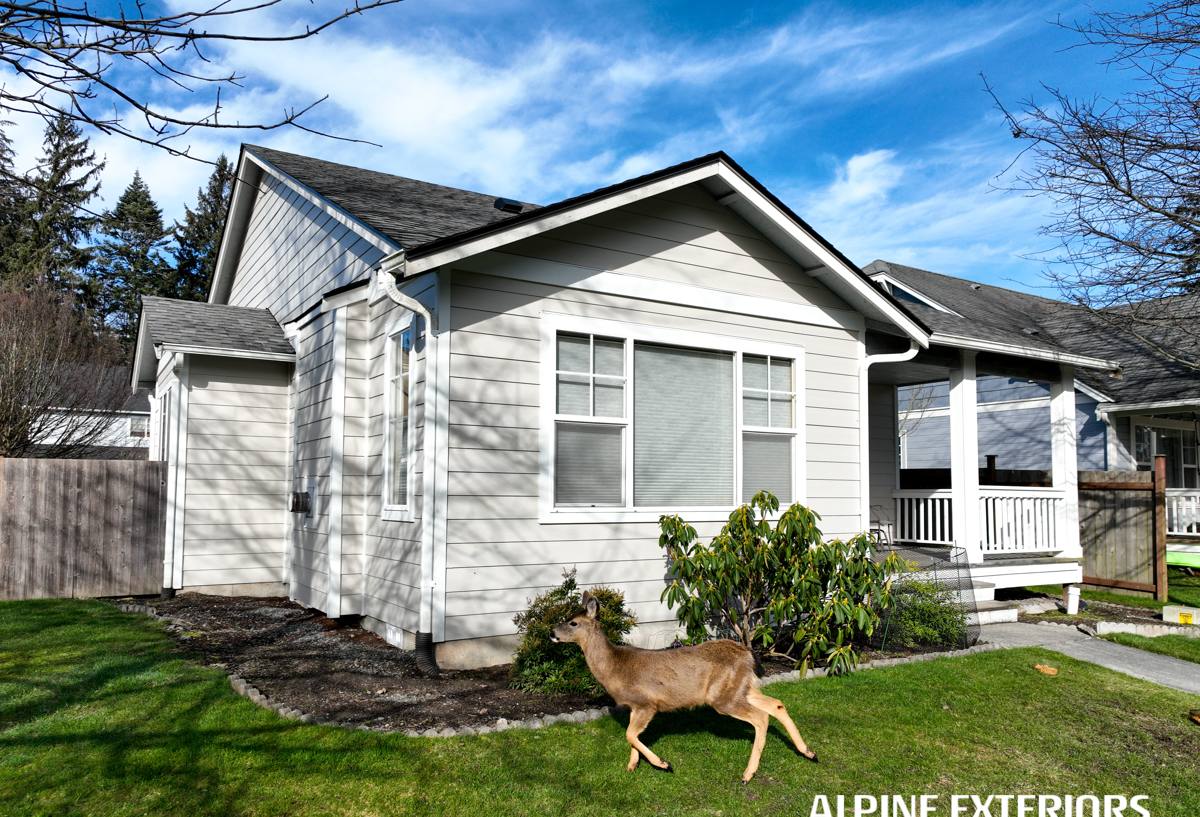
A Neighborhood With Two Very Different Housing Stocks
South Tampa has one of the more distinct housing patterns in the region: a real mix of older bungalow and ranch-style homes from the early-to-mid 20th century sitting alongside newer construction and rebuilds on the same blocks. That matters for exterior work because the two housing types tend to have very different problems.
Older homes
Original wood siding, trim, and soffits on older South Tampa homes have often been painted over dozens of times, which can hide rot, delamination, and moisture damage until a contractor actually gets a moisture meter and a probe on the wall. Older stucco can also be masking cracked or waterlogged sheathing underneath.
Newer builds and rebuilds
Newer homes in the area are more likely to have been built or re-sided with vinyl or engineered wood products chosen for upfront cost rather than long-term coastal performance. Those materials aren't necessarily bad products in general, but they carry trade-offs in this specific climate that we think homeowners deserve to hear plainly before they commit to a full re-side.
Why We Install Only James Hardie Fiber Cement Siding
We are not a multi-brand siding shop. We install James Hardie fiber cement exclusively, and that's a deliberate standard, not a default. We used to see the same pattern on service calls: vinyl siding that had warped or faded within a handful of Florida summers, engineered wood trim that had swelled and delaminated at butt joints after repeated wetting, and caulk-dependent seams that failed quietly behind the wall long before anyone noticed a problem inside.
Fiber cement is cement, sand, and cellulose fiber, which means it doesn't burn, doesn't attract termites, and doesn't expand and contract with heat and moisture the way vinyl and wood-based products do. James Hardie specifically engineers regional product lines for high-humidity, high-UV climates like ours, and its ColorPlus factory finish is baked on and warranted against fading in a way that field-applied paint on other materials generally isn't. For a peninsula neighborhood dealing with salt air, storm wind, and year-round sun, that combination is the reason we standardized on it rather than offering vinyl, LP SmartSide, or other engineered wood alternatives.
We're not going to claim those other products are junk — plenty of them are engineered well and installed successfully across the country. Our position is narrower and more practical: given what we've seen this specific coastal climate do to caulked seams, painted engineered wood, and heat-stressed vinyl, fiber cement is what we're willing to put our name and our warranty behind here.
What James Hardie Gets You
- Non-combustible material — a real consideration given Florida's lightning frequency and wildfire risk in drier stretches
- Factory-applied ColorPlus finish, so color comes from a controlled baking process rather than field paint
- Engineered HZ5 product formulated for Florida's humidity and moisture exposure
- A transferable manufacturer warranty that matters if you sell the home
- Dimensional stability — it doesn't swell, buckle, or warp the way vinyl and some engineered wood can in direct summer sun
Roofing, Windows, and Decks: The Rest of the Envelope
Siding is only one piece of what keeps a South Tampa home dry and intact. We also handle roofing, window replacement, and deck construction because these systems work together, and a weak point in one usually shows up as damage somewhere else.
Roofing
A roof in this part of Hillsborough County takes the brunt of wind uplift during tropical systems and the most direct UV exposure of any surface on the house. Flashing details around chimneys, valleys, and roof-to-wall transitions are frequently where leaks actually start, even when the field of the roof looks fine.
Windows
Impact-rated and properly flashed windows matter twice over here: they protect the opening during wind events, and they cut down on the conditioned-air loss that drives up cooling bills during Tampa's long, humid summers. Window replacement is also the moment we most often find rot or water intrusion around older openings that's been hidden behind trim for years.
Decks
Outdoor living is a big part of why people buy in South Tampa in the first place, but a deck built with the wrong fasteners or without proper ledger flashing will show corrosion and rot faster here than almost anywhere else in the country. Salt air accelerates metal fastener failure specifically, which is a detail a lot of general contractors underestimate.
What Correct Installation Actually Involves
Material choice only gets you part of the way there. Most siding failures we're called out to inspect trace back to installation shortcuts, not the product itself. In a climate like this, a few details matter more than they would elsewhere:
- Proper weather-resistant barrier and flashing behind every siding course, not just at obvious joints
- Correct fastener spacing and type — stainless or coated fasteners rated for coastal exposure
- Manufacturer-specified clearances at grade, roof lines, and deck ledgers so water has somewhere to go
- Caulking used only where it's actually designed to be a water barrier, not as a substitute for proper flashing
- Ventilation behind the siding plane so moisture that does get in can dry out instead of sitting against the wall
These aren't exotic requirements — they're standard best practice — but skipping any one of them is exactly how a good product ends up with a bad reputation on a specific job.
What Drives Cost on a South Tampa Exterior Project
| Factor | Why It Matters Here |
|---|---|
| Home age and current siding | Older homes often need substrate repair or full tear-off before new siding goes on, which older stucco or original wood can hide until demo starts |
| Home size and wall complexity | Dormers, multiple gables, and architectural detailing common on South Tampa homes add labor time beyond simple square footage |
| Product line and profile | James Hardie offers multiple plank widths, textures, and trim options; premium profiles and ColorPlus selections cost more than standard primed boards |
| Scope beyond siding | Bundling roofing, window, or deck work into one project often costs less than three separate mobilizations and inspections |
| Access and site conditions | Tight lots, mature landscaping, and proximity to neighboring structures common in older South Tampa blocks can affect staging and labor time |
Choosing a Contractor for This Kind of Work
South Tampa's mix of high property values and older housing stock has drawn a lot of contractor traffic over the years, not all of it local or accountable after the job wraps. A few things are worth checking before you sign anything:
- Confirm active Florida contractor licensing and current insurance, and verify it directly rather than taking a card at face value
- Ask specifically how the crew handles flashing and moisture barrier detailing, not just "what siding do you install"
- Get manufacturer certification confirmed in writing if the product line requires it for warranty coverage
- Ask how change orders are handled if hidden rot or substrate damage turns up mid-project
- Get a written scope that specifies fastener type, clearances, and warranty terms, not just a price and a product name
A local crew that works this specific area regularly has already seen how homes here age under bay-adjacent salt exposure and Hillsborough County's storm patterns. That's different from general familiarity with Florida as a whole — the wear patterns on a house three blocks from open water look different from a house further inland, even within the same city.
What to Expect Working With Us
We start with an on-site inspection, not a phone quote, because siding, roofing, window, and deck condition genuinely can't be assessed accurately from photos or a general square-footage estimate. From there we walk the property, note any substrate or moisture issues we find, and put together a scope that's specific about product, fastener type, and flashing details — not just a total price.
If you're in South Tampa and dealing with aging siding, a roof that's showing its age, drafty or foggy windows, or a deck that's starting to show corrosion at the fasteners, we're happy to take a look and give you a straight assessment of what actually needs attention versus what can wait. There's no cost and no pressure to schedule a free estimate — fill out the form below to get started.