 Tampa Siding
 Roof Repair Built for Land O' Lakes Conditions
Land O' Lakes sits inland from Tampa Bay but still takes the full brunt of what Hillsborough County weather dishes out every year: long stretches of intense UV, sudden wind-driven downpours, and the outer bands of hurricanes that push rain sideways under roof edges most homeowners never think to check. A roof here doesn't fail all at once. It fails one small, ignored problem at a time — a lifted shingle tab, a cracked pipe boot, a nail that backed out just enough to let water find a path. Roof repair in this area isn't about patching what's obviously broken. It's about finding the small failures before they become the expensive ones.
We work on homes throughout the greater Tampa area, and Land O' Lakes has its own particular mix of roof ages, roof types, and exposure patterns. That familiarity matters. A repair crew that already knows what tends to go wrong on roofs in this part of the county isn't guessing when they get on your roof — they're checking the spots that experience has already told them to check first.
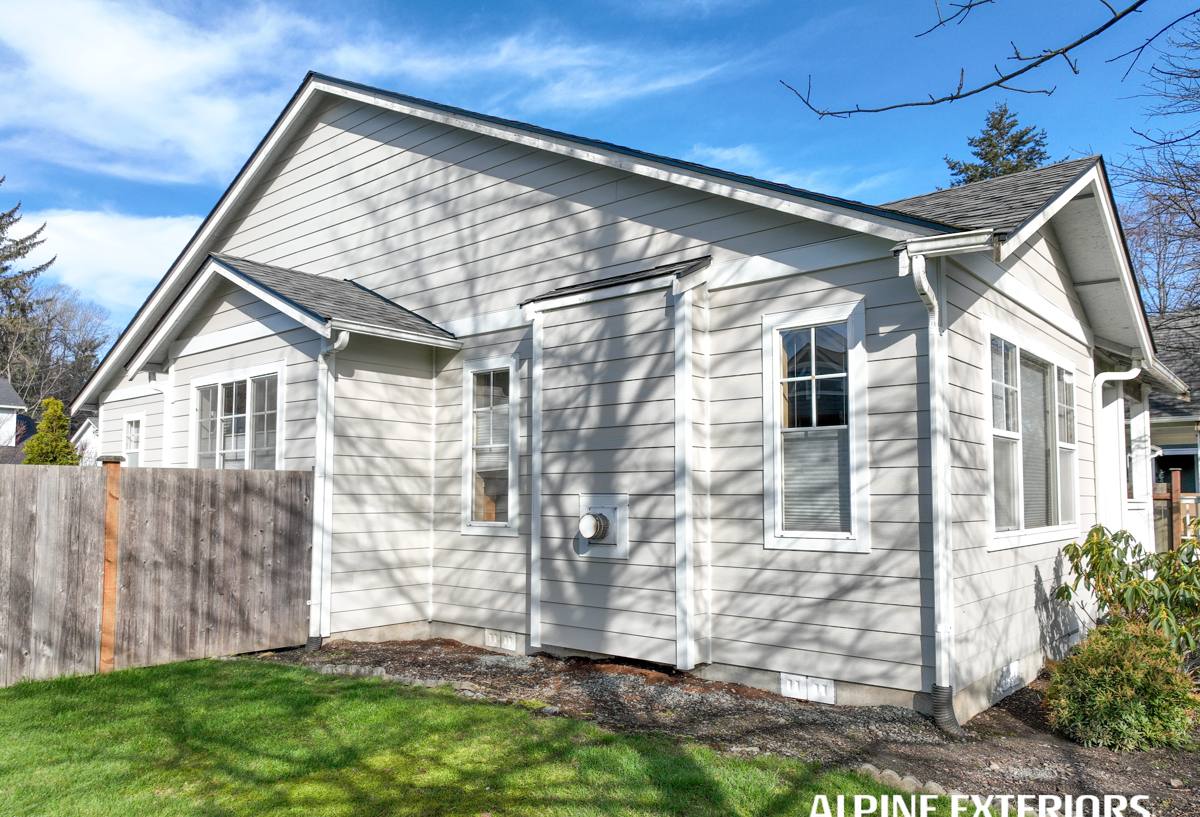
What Tampa Bay Climate Does to a Roof Over Time
Every roofing material sold in Florida is rated to handle Florida weather. That rating assumes the roof is installed correctly and maintained. Over years of real exposure, four forces do most of the damage:
UV Exposure
Florida gets some of the most direct, sustained sun exposure in the continental United States. UV breaks down the oils and asphalt binders in shingles, dries out sealant strips, and makes roofing materials brittle years before their rated lifespan suggests they should be. A roof that looks fine from the driveway can have UV-brittle shingles that crack the moment wind gets under them.
Wind-Driven Rain
Straight-down rain rarely causes roof leaks — roofing systems are designed to shed water moving in one direction. Wind-driven rain is different. When storm winds push rain sideways or even upward under the roof edge, it exploits gaps that never see water in normal conditions: lifted shingle edges, poorly sealed flashing, and vent boots with shrunk rubber collars.
Hurricane and Tropical Storm Winds
Land O' Lakes doesn't take direct hurricane landfalls every year, but it regularly sits in the wind field of storms that pass through the Gulf or track up the peninsula. Sustained high winds and gusts stress every fastener and seam on a roof. Even when a roof survives a storm without visible damage, the wind can loosen shingles, flashing, and nails just enough to create a leak path that shows up during the next heavy rain — sometimes weeks later.
Heat Cycling and Humidity
Tampa Bay's daily swing between intense heat and afternoon thunderstorms puts roofing materials through constant expansion and contraction. Combined with the region's humidity, this cycling accelerates wear on sealants, underlayment, and any spot where two materials meet — which is exactly where most leaks start.
Common Roof Repair Issues We See on Land O' Lakes Homes
- Lifted or missing shingle tabs from wind that has broken the factory seal, leaving individual shingles vulnerable to being torn off in the next storm
- Cracked or shrunk pipe boots around plumbing vents — usually the single most common source of attic leaks on any roof over eight to ten years old
- Flashing failures around chimneys, skylights, and roof-to-wall intersections where metal flashing has separated, rusted, or was never sealed correctly to begin with
- Nail pops where fasteners back out from thermal cycling, creating small punctures that let water in slowly over time
- Granule loss on aging asphalt shingles, which signals UV and weather degradation and reduces the shingle's ability to shed water and reflect heat
- Soft spots in the roof deck found during repair, usually the result of a slow leak that went unnoticed long enough to affect the wood underneath
- Valley damage where two roof planes meet — one of the highest-volume water paths on any roof and a common spot for wear
How We Approach a Repair — Diagnosis First
The most common mistake in roof repair is treating the symptom instead of the source. A stain on a ceiling doesn't always mean the leak is directly above it — water can travel along rafters or underlayment before it shows up inside the house. Our process starts with finding the actual entry point, not just patching where the damage is visible.
Step 1: Roof and Attic Inspection
We inspect the roof surface itself — shingles, flashing, vents, and valleys — and, where accessible, the attic from underneath. Attic inspection often tells us more than the surface does: water staining on rafters, wet insulation, or daylight visible through the decking all point to where the actual problem is.
Step 2: Honest Diagnosis
Once we know what's actually wrong, we explain it in plain terms — what's causing it, what it takes to fix it correctly, and whether it's an isolated repair or a sign of broader wear that's worth planning around. We're not going to sell you a full roof replacement for a problem that a targeted repair will solve, and we're not going to talk you into a patch if the roof is genuinely past the point where repair makes sense.
Step 3: Correct Repair, Not a Quick Cover
Every repair is done to match the existing roofing system correctly — proper flashing techniques, matched or compatible materials, and fasteners and sealants rated for Florida's heat and UV exposure. A repair that isn't tied into the surrounding roof system correctly just creates a new failure point somewhere else.
Step 4: Verification
After the repair, we check that the fix is sound and that there are no secondary issues nearby that could turn into the next leak.
Repair vs. Replacement: How to Think About the Decision
Not every roof problem needs a full replacement, and not every leak can be permanently solved with a patch. The right call usually comes down to the roof's age, how widespread the wear is, and how many prior repairs it's already had.
| Factor | Favors Repair | Favors Replacement |
|---|---|---|
| Roof age | Under 12-15 years, materials still flexible | Approaching or past rated lifespan |
| Damage scope | Isolated to one area (a valley, a vent, a section) | Widespread granule loss, multiple leak points |
| Repair history | First or second repair on this roof | Repeated repairs in different spots over recent years |
| Deck condition | Solid, no soft spots found | Soft decking or wood rot discovered during inspection |
| Storm exposure | Roof performed well through recent storms | Visible storm damage across multiple roof planes |
If your roof falls mostly in the repair column, a well-executed repair can add years of reliable service. If it's trending toward the replacement column, we'll tell you honestly rather than continuing to bill you for patches on a roof that's telling you it's done.
Why It Matters That We Already Work in Land O' Lakes
A roofer who works this area regularly has already seen how local roof types age, which repair techniques hold up against Hillsborough County's storm patterns, and what a legitimate manufacturer warranty actually requires for repair work versus what voids it. That's not a small thing — some roofing material warranties have specific requirements around who performs repair work and how it's documented. A crew unfamiliar with those details can do a repair that looks fine but technically puts your existing warranty coverage at risk.
Local familiarity also means faster, more accurate estimates. We're not learning the regional weather patterns on your roof — we already know what wind-driven rain does to a valley flashing in this area, and we know what a hurricane-stressed pipe boot looks like before it's fully failed.
Roof Repair Materials and Standards We Hold To
We use flashing, underlayment, sealants, and fasteners rated for the sun and moisture exposure Florida roofs actually see, not generic materials that happen to be cheaper. On flashing and sealant work specifically, we favor methods with a proven track record for wind-driven rain resistance over shortcuts that look fine on installation day but fail during the next storm. If a manufacturer's product has installation requirements that are sensitive to technique — certain sealants, certain flashing profiles — we follow those requirements precisely, because a repair that's almost right in Florida's climate tends to fail faster than one that was never attempted at all.
A Simple Pre-Storm and Seasonal Checklist
Between professional inspections, there are a few things Land O' Lakes homeowners can watch for from the ground or from inside the attic:
- Shingle granules collecting in gutters or at the base of downspouts
- Visible curling, cracking, or missing shingles after a windstorm
- Water stains or discoloration on ceilings, especially near vents, chimneys, or skylights
- Musty odors in the attic, which can indicate trapped moisture
- Daylight visible through the roof deck when viewed from inside the attic
- Sagging areas anywhere on the roofline
- Debris buildup in valleys, which traps moisture against the roofing material
Catching any of these early is almost always cheaper and less disruptive than waiting for an active leak to show up inside the house.
What to Expect When You Call Us
We start with a straightforward roof inspection so we know exactly what we're dealing with before we talk about cost. You'll get a clear explanation of what's actually wrong, what a proper repair involves, and a realistic estimate — no pressure to upgrade to a full replacement if a targeted repair is the honest answer. If your roof does need more than a repair can fix, we'll explain why, in plain language, so you can make the decision with real information instead of a sales pitch.
If you're dealing with a leak, storm damage, or just want a professional set of eyes on a roof that's getting some age on it, reach out for a free, no-pressure estimate using the form below.