 Tampa Siding
 Window Installation for Lutz Homes
Lutz sits in unincorporated northern Hillsborough County, a mix of long-established ranch and split-level homes on wooded lots alongside newer construction built up around the area's lakes. A lot of that older housing stock still carries its original single-pane aluminum or first-generation vinyl windows, and even homes built in the last fifteen to twenty years are due for a hard look at seals, frames, and glazing. Window installation here isn't just a swap of one frame for another — it's an opportunity to correct whatever gaps, undersized units, or poor flashing details the original build left behind, and to match the window to what Tampa Bay weather actually does to a house over time.
This page covers window installation specifically for Lutz: what the local climate demands, what a correct install actually involves, and why it matters to hire a crew that already understands how Hillsborough County permitting and inspection works.
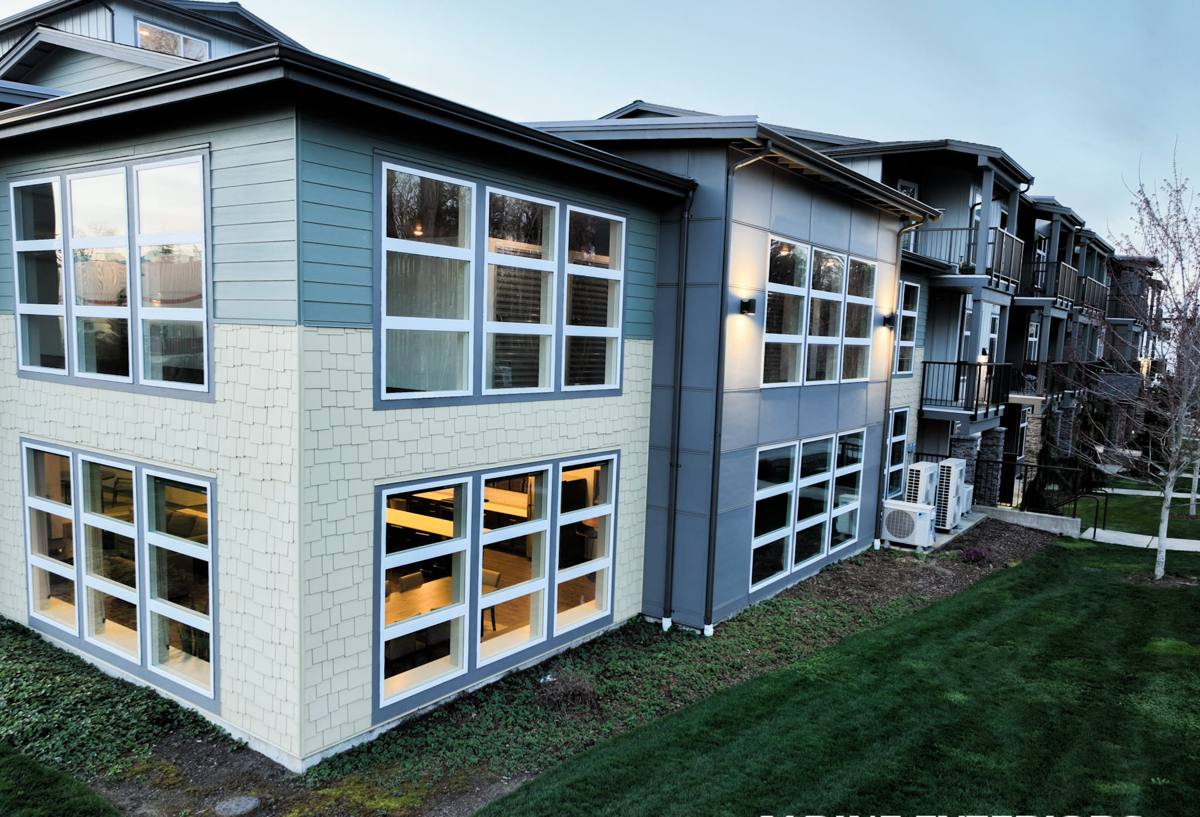
What Tampa Bay Climate Does to Windows
Every window on a Florida Gulf Coast home is fighting a combination of stresses most of the country doesn't deal with, and Lutz gets its share of all of them.
Heat and UV
Central Florida sun is intense and nearly year-round. UV exposure breaks down vinyl frames, dries out old glazing compound and weatherstripping, and fades interior finishes near west- and south-facing glass. Low-quality glass packages also let in enough solar heat gain to keep an air conditioner running harder than it should, which shows up directly on summer power bills.
Wind-Driven Rain
Tampa Bay's storm season brings rain that doesn't fall straight down — it drives sideways into a wall at speed. A window that isn't flashed and sealed correctly will let water track behind the frame and into the wall cavity long before anyone notices a leak on the inside. This is one of the most common failure points we find on older Lutz homes, and it's almost always an installation defect, not a product defect.
Hurricane and Wind-Borne Debris Risk
Lutz is inland relative to the immediate coastline, but it's still squarely within the wind zones covered by the Florida Building Code, and it's not exempt from tropical storm and hurricane exposure. Wind load and impact resistance requirements apply to replacement windows here just as they do closer to the water, and a window that isn't rated and installed for the load it's supposed to resist is a liability in a storm, not just a code checkbox.
Salt Air and Humidity
Lutz doesn't take the same direct salt spray as barrier-island or waterfront communities, but Tampa Bay's regional air still carries salt content and near-constant humidity that accelerates corrosion on hardware, hinges, and lesser-grade metal components over the life of a window. It's a slower version of the same problem coastal homes deal with faster.
Signs a Lutz Home's Windows Need Attention
Homeowners usually notice one or two symptoms before realizing the whole window needs replacing rather than repairing. Common signs we see on service calls in this area:
- Fogging or a permanent haze between panes on double-glazed units (a sign the seal has failed)
- Windows that are difficult to open, close, or lock, especially aluminum-frame units that have swollen or corroded
- Visible daylight or a draft around the frame when the window is closed
- Soft or discolored wood, drywall, or trim near the window after a rainy season
- A noticeable rise in cooling costs with no other explanation
- Chalky, pitted, or brittle frame material — common on original-build aluminum from the 1980s and 90s
- Condensation collecting on the inside of the glass during humid months
What a Correct Window Installation Actually Involves
The window unit itself is only part of the job. Most leaks, drafts, and premature failures trace back to what happens at the rough opening, not a defect in the product. A correct installation includes:
- Accurate measurement and structural check of the existing opening, including a look for rot, rust, or settling that needs correcting before a new window goes in
- Removal of the old unit without damaging the surrounding stucco, siding, or framing
- Flashing and a water-resistive barrier installed in the correct order (sill pan first, then jamb and head flashing) so any water that gets past the window sheds outward instead of into the wall
- Proper shimming and fastening so the frame is square, plumb, and secured to structural framing per the window's approved installation instructions, not just the opening itself
- Sealant compatible with the frame material and the stucco or siding it meets, applied in a continuous bead with no gaps
- Interior and exterior trim-out finished cleanly, with insulation in the gap between frame and rough opening
Skip any one of these steps and the window can look fine for a year or two before a leak, a stuck sash, or a soft spot in the wall shows the shortcut was taken.
Choosing the Right Window for a Lutz Home
The right window depends on the exposure of each wall, the age and construction of the home, and the homeowner's budget and priorities. There's rarely one "best" answer for an entire house — a west-facing wall with full sun exposure has different needs than a shaded, protected wall.
| Option | Where It Fits Best | Trade-Offs |
|---|---|---|
| Impact-rated windows (laminated glass) | Storm-exposed elevations, homes wanting no separate shutters | Higher upfront cost; heavier units require correctly sized framing |
| Standard wind-rated windows + separate protection | Homes on a tighter budget, less-exposed elevations | Requires shutters or panels to be deployed before a storm |
| Vinyl frames | Most residential replacement work | Good insulation value; quality varies significantly between manufacturers |
| Aluminum frames | Larger openings, some historic or original-style matches | Conducts heat more than vinyl; needs a thermal break for efficiency |
| Low-E, tinted, or coated glass packages | West- and south-facing exposures with heavy sun load | Adds cost; pays back through lower cooling load over time |
We'll walk through these trade-offs honestly rather than pushing the highest-margin option — the right call is usually different room to room, not one blanket product for the whole house.
Permits and Florida Building Code in Hillsborough County
Window replacement in Hillsborough County requires a permit in the vast majority of cases, and inspectors are checking for wind-load compliance, correct flashing and attachment, and, for impact products, a valid Notice of Acceptance (NOA) or Florida product approval matched to the specific installation. Skipping the permit might save time up front, but it creates real problems later — unpermitted work can complicate a home sale, an insurance claim, or a future renovation. Part of what we handle as your contractor is pulling the correct permit, scheduling inspection, and making sure the paperwork matches the product actually installed, so there's a clean record tied to the home.
Our Installation Process
- On-site assessment — we look at every window being considered, check the openings, and talk through priorities and budget
- Product selection — we recommend options based on each wall's exposure, the home's age, and your goals for efficiency, storm protection, or appearance
- Written estimate — clear pricing with no surprise add-ons once work begins
- Permitting — we pull the required Hillsborough County permit before work starts
- Removal and prep — old units come out carefully, and the opening is inspected and corrected if needed before the new window goes in
- Installation — flashing, sealing, fastening, and trim-out done to manufacturer and code specification
- Final inspection and walkthrough — we confirm every window operates correctly and locks tight before we call the job done
Why a Local Lutz Crew Matters
Window installation done by a crew that already works this area has a few practical advantages over hiring whoever's cheapest or furthest away. We know what to expect from Lutz's mix of older aluminum-window ranch homes and newer construction, we're familiar with Hillsborough County's permitting and inspection process so there's no guessing on paperwork, and we're close enough to respond quickly if a warranty question or a post-storm concern comes up. Some communities in the Lutz area also have HOA architectural guidelines around window appearance and color — worth checking before ordering if your property falls under one, and something we can help you navigate rather than find out about after the fact.
What Window Installation Typically Costs
Pricing depends heavily on the number of windows, size, product tier, and whether the opening needs structural correction. Rather than quote a number that won't match your home, here's what actually drives the cost:
| Cost Factor | Why It Matters |
|---|---|
| Window size and quantity | Larger openings and whole-house jobs carry different per-unit economics than a single replacement |
| Impact-rated vs. standard glass | Laminated impact glass costs more than standard insulated glass but removes the need for separate storm protection |
| Frame material and glass package | Vinyl, aluminum, and upgraded Low-E coatings each carry different material costs |
| Condition of the existing opening | Rot, rust, or out-of-square framing adds labor to correct before the new window can go in |
| Retrofit vs. full-frame replacement | Full-frame replacement (removing down to the rough opening) costs more than an insert but is often necessary on older homes |
We'll give you an itemized number for your specific home rather than a ballpark that doesn't hold up once we see the actual windows.
Get a Free Estimate
If your Lutz home has windows that are drafty, hard to operate, fogged, or just original to a decades-old build, we're happy to take a look and give you an honest, no-pressure estimate. Use the form below to get started.