 Tampa Siding
 Why Plant City Roofs Wear Out Faster Than the Brochure Says
Plant City sits inland from Tampa Bay but that doesn't spare it from the same weather cycle that grinds down roofs across Hillsborough County. Summers bring near-daily UV exposure strong enough to break down asphalt binders years ahead of a shingle's rated life. Wet season brings wind-driven rain that finds every gap in flashing and underlayment. And when a tropical system tracks through the region, it's straight-line and gust-driven wind loading on the roof deck, not just the rain, that causes the real damage. None of this is unique to one street or subdivision — it's the baseline every roof in this part of Florida has to survive, year after year.
What makes asphalt shingle roofing a smart choice here isn't that it's immune to any of this. It's that a correctly installed, wind-rated shingle system is built with all of that in mind from the deck up, and it's serviceable — when a section takes storm damage, you can repair that section instead of replacing the whole roof.
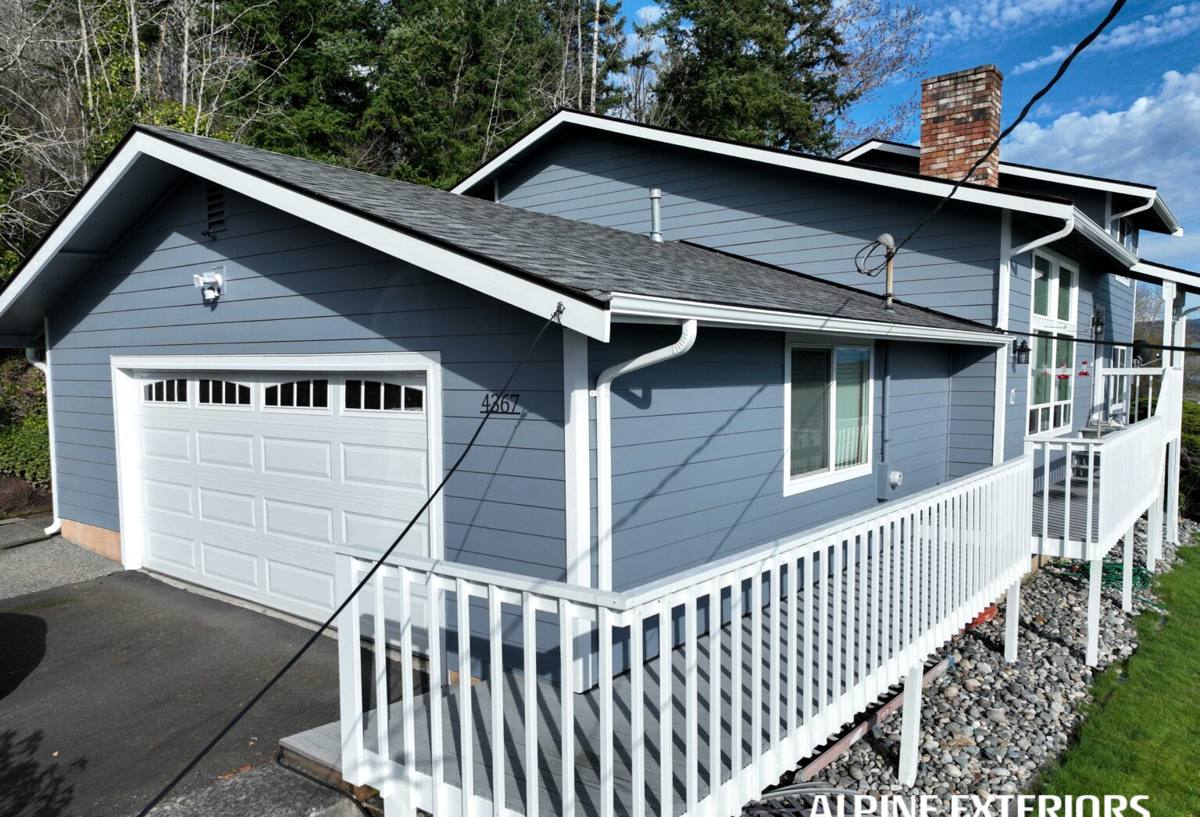
What "Correct" Actually Means on a Shingle Roof
Asphalt shingles get most of the attention because they're what you see, but the shingle itself is the last of several layers that all have to work together. A roof that fails early almost always failed because one of the layers underneath was rushed or skipped, not because the shingle brand was wrong.
The Layers, Bottom to Top
- Roof deck: Plywood or OSB sheathing, checked for soft spots, delamination, or old nail patterns before anything new goes down.
- Underlayment: A synthetic or felt underlayment rated for the exposure, installed with the correct lap and fastening pattern — this is the actual waterproof layer if wind ever lifts a shingle.
- Ice-and-water style membrane at vulnerable points: Valleys, eaves, and roof penetrations get self-adhered membrane in this climate even though we don't deal with ice — it's about wind-driven rain intrusion, not ice.
- Flashing: Step flashing at walls, counter-flashing at chimneys, and drip edge at all eaves and rakes — most leaks start here, not in the field of the roof.
- Shingles: Fastened with the correct nail count and placement for the wind rating you're paying for, not the minimum the box allows.
- Ventilation: Intake at the eaves and exhaust at the ridge, balanced so the attic isn't cooking the underside of the deck all summer.
Skip or shortcut any one of these and the shingle on top can be a premium product and still underperform.
Signs a Plant City Roof Needs a Closer Look
Most roof failures don't happen all at once — they show warning signs for months or years first. Homeowners who catch these early spend far less than the ones who wait for an interior leak.
- Granules collecting in gutters or at downspout discharge points
- Shingles that look curled, cupped, or have raised edges
- Visible cracking, especially on south- and west-facing slopes that take the most UV
- Dark streaking or algae growth across the roof surface
- Soft or spongy decking felt when walked, or sagging visible from the ground
- Missing or lifted shingles after any storm with sustained wind, even if there's no visible leak yet
- Rusted or lifted flashing around chimneys, vents, or skylights
- Daylight visible through the roof deck from inside the attic
If you're seeing more than one of these, it's worth a roof evaluation before the next storm season rather than after the next leak.
How Our Process Works
1. On-Site Evaluation
We walk the roof, check the attic from the inside for ventilation and moisture issues, and look at flashing points and roof penetrations — not just the shingle surface. We'll tell you plainly whether you need a full replacement, a repair, or nothing at all yet.
2. Written Scope and Materials
You get a scope that specifies underlayment type, flashing approach, shingle product and wind rating, and ventilation plan — not a one-line "reroof house" estimate. If something needs to be built up to code, that's called out before work starts, not discovered mid-project.
3. Tear-Off and Deck Inspection
Old roofing comes off down to the deck so we can actually see what we're building on. Any soft or damaged decking gets replaced — this is the point where hidden problems from old leaks usually surface, and it's far cheaper to address them now than after the new roof is on.
4. Underlayment, Flashing, and Shingle Installation
Underlayment and flashing go down first and get inspected before shingles cover them up. Shingles are then installed to the fastening pattern required for the wind rating specified in your scope, not a generic pattern.
5. Ventilation Check and Final Walkthrough
We confirm intake and exhaust ventilation is balanced, clean up the site including a magnetic sweep for nails, and walk the finished roof with you before calling the job done.
Choosing a Shingle for This Climate
Not every asphalt shingle product is built the same, and in a wind- and UV-heavy market like Hillsborough County, the differences matter more than they would somewhere milder.
| Shingle Type | Typical Wind Rating | Best Fit | Trade-Off |
|---|---|---|---|
| 3-tab (standard) | Lower, entry-level rated | Budget-focused projects, rental properties | Shortest lifespan under UV and wind here; least forgiving of installation shortcuts |
| Architectural / dimensional | Mid-to-high rated, varies by product line | Most owner-occupied homes | Higher upfront cost than 3-tab, but noticeably better wind and UV performance |
| Impact-resistant (Class 4) | High wind rating plus impact rating | Homes wanting maximum storm resilience or insurance credit | Highest material cost; insurance discount depends on your carrier and policy |
We don't push one product line as a blanket answer — the right shingle depends on your roof's exposure, your budget, and how long you plan to stay in the home. What we won't do is install a shingle at a lower wind rating than your roof's exposure calls for just to hit a lower number on the estimate.
Ventilation: The Part Most Homeowners Never See
An asphalt shingle roof in this climate lives or dies partly on what's happening underneath it. An attic that can't vent properly runs hotter in summer, which accelerates shingle aging from below at the same time UV is aging it from above. Poor ventilation can also trap moisture that shortens the life of the decking itself, even with a leak-free roof.
Balanced ventilation means intake (usually soffit vents) roughly matches exhaust (ridge vent or equivalent). One without the other doesn't work — exhaust vents with no intake can actually pull conditioned air or humid attic air through the wrong paths. We check and correct this as part of any full reroof rather than treating it as an optional add-on.
Building Codes and Wind Requirements
Roofing work in Hillsborough County is governed by the Florida Building Code, which sets minimum wind uplift and fastening requirements based on your property's wind zone. A permitted reroof has to meet these standards and pass inspection — that's not upselling, it's the baseline for a roof that's rated to survive local storm conditions and won't create problems at resale or with insurance underwriting. We pull permits and handle inspections as a standard part of the job.
What Drives the Cost of a Shingle Roof
Every roof is different, so we won't quote a number without seeing yours, but these are the main factors that move the price up or down.
| Factor | Why It Matters |
|---|---|
| Roof size and pitch | More square footage and steeper slopes both increase labor time and material use |
| Number of layers to remove | Tearing off multiple old layers costs more than a single-layer tear-off |
| Decking condition | Rotted or soft decking sections need replacement, which isn't known until tear-off |
| Shingle tier chosen | 3-tab, architectural, and impact-rated products carry different material costs |
| Roof complexity | Valleys, dormers, chimneys, and skylights all add flashing work and labor time |
| Ventilation upgrades | Adding or correcting ridge and soffit ventilation adds modest cost but pays off in shingle life |
Broadly, a straightforward architectural shingle reroof on an average home runs in the mid four figures to low five figures, with size, pitch, and decking condition being the biggest swing factors. We'll give you real numbers after seeing the roof, not a phone estimate.
Why a Crew That Already Works Plant City Matters
A roofer who works this area regularly already knows what Hillsborough County's permitting and inspection process expects, knows how salt-tinged, humid air affects flashing and fastener choices over time, and has already seen how different shingle lines actually hold up locally versus how they perform on paper. That's not something you get from a crew passing through the area for one job. It also means when a storm comes through and you need someone to look at storm damage quickly, you're calling a company that already knows the roof types common in this area — not starting from zero.
We stand behind our work with manufacturer-backed material warranties and our own workmanship warranty, and we're straightforward about what's covered and what isn't before you sign anything.
Simple Maintenance That Extends Roof Life
- Keep gutters clear so water doesn't back up under the shingle edge
- Trim overhanging branches that scrape shingles or drop debris onto the roof
- After any major storm, do a visual check from the ground for missing or lifted shingles
- Have the roof and attic looked at every few years even without a known problem, especially once it's past the halfway point of its expected life
- Address small leaks and flashing issues immediately — they rarely stay small
If you're a Plant City homeowner weighing a repair against a full reroof, or just want an honest read on where your current roof stands, we're happy to take a look. The estimate is free, there's no pressure, and you'll get a straight answer either way — just fill out the form below to get started.