 Tampa Siding
 Siding That Has to Work in Riverview's Climate, Not Just Look Good on Day One
Riverview sits inland from Tampa Bay but still takes the full brunt of a Gulf Coast climate: long stretches of intense UV exposure, humidity that never really lets up, and tropical systems that bring hurricane-force wind gusts and wind-driven rain sideways into exterior walls. Siding here isn't just a cosmetic choice. It's the layer standing between your home's structure and a climate that works against it every single day of the year.
We install James Hardie fiber cement siding exclusively, and this page is about what that means specifically for a Riverview home — not a generic overview of siding in general, but the details that matter when the product goes on a house in Hillsborough County.
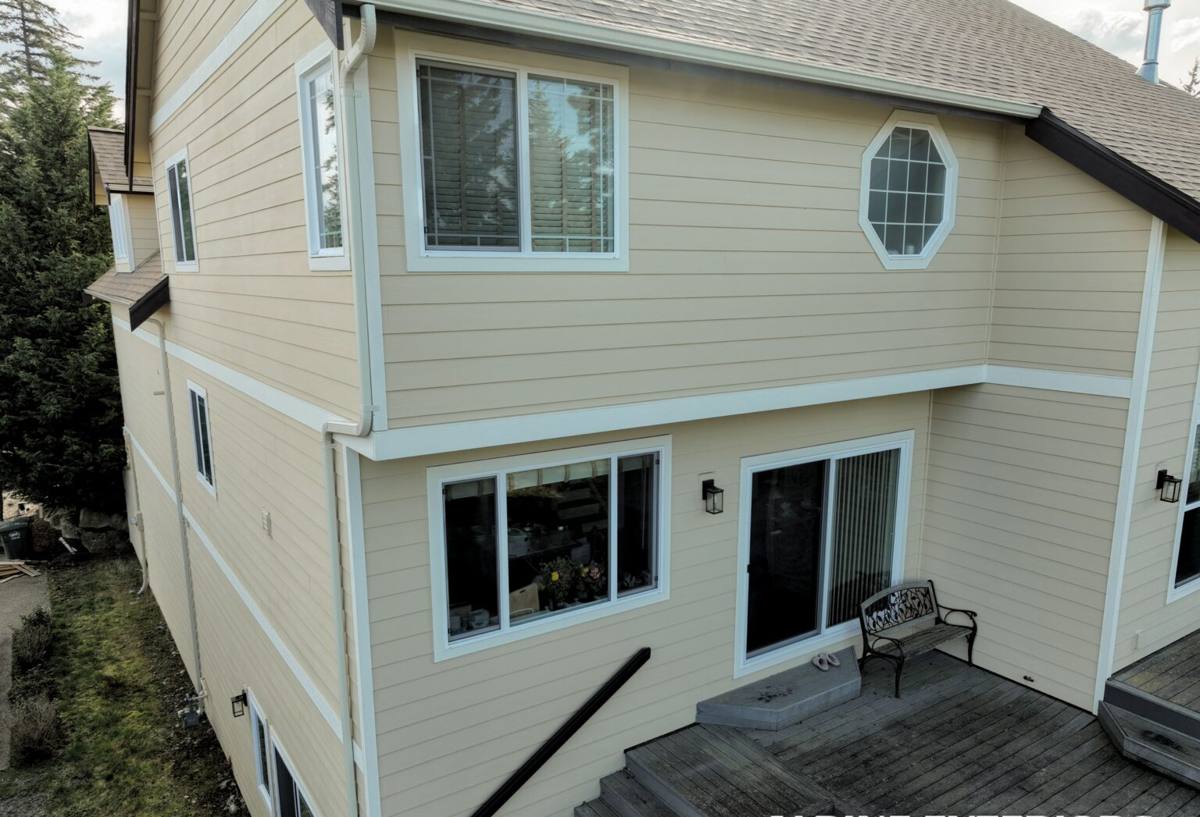
What Riverview's Climate Actually Does to Exterior Siding
Heat and Year-Round UV
Florida sun is relentless, and siding on west- and south-facing walls takes the worst of it. Cheaper siding materials — vinyl in particular — soften, warp, or fade under sustained heat and UV. Fiber cement doesn't soften in heat, and James Hardie's ColorPlus factory-applied finish is formulated specifically to resist UV fading far longer than field-applied paint.
Wind-Driven Rain
It's not just rainfall totals that cause problems — it's rain being driven horizontally into wall assemblies during storms. Any gap, poor flashing detail, or improperly caulked joint becomes a water entry point. This is where installation quality matters more than the product itself; even the best siding fails if water management details are done wrong.
Salt Air and Humidity
Riverview isn't right on the coast, but Tampa Bay's salt-laden air still reaches inland neighborhoods, and combined with Florida's constant humidity, it accelerates corrosion of fasteners and hardware and encourages moisture retention behind poorly ventilated siding systems. Materials and installation both need to account for this.
Hurricane-Force Wind
Wind uplift on siding panels during tropical storms and hurricanes is a real structural concern, not just an aesthetic one. Fastening pattern, nail type, and panel engagement all affect whether siding stays attached when it's tested by a real storm.
Why We Only Install James Hardie in a Climate Like This
James Hardie makes climate-specific product formulations, including an HZ5 fiber cement line engineered for humid, high-moisture climates like Florida's. That formulation resists moisture-related swelling and cracking better than a generic one-size-fits-all fiber cement product. Combined with a factory-baked ColorPlus finish, non-combustible composition, and a strong transferable warranty, it's the product we're willing to put our name behind on Riverview homes. We don't install LP SmartSide, vinyl, Cemplank, Allura, or unfinished wood siding — not because those products have no merit, but because we've standardized on one system we can install correctly and stand behind fully, rather than juggling several with different installation quirks, warranty terms, and long-term maintenance demands.
What a Correct Installation Actually Involves
The siding material is maybe half the equation. The other half is installation detail — and this is where most siding problems in Florida actually originate, regardless of brand.
Fastening
James Hardie specifies exact fastener types, spacing, and embedment depth for coastal and high-wind zones. Under-driven or over-driven nails, wrong fastener material, or incorrect spacing all reduce wind resistance and can void manufacturer warranty coverage.
Clearances
Hardie requires minimum clearances between siding and grade, roofing, decks, and other abutting surfaces to prevent moisture wicking. Skipping these clearances is one of the most common ways siding fails prematurely in humid climates, regardless of how good the material is.
Flashing and Water Management
Every window, door, and penetration needs correct flashing and drainage planning behind the siding, not just caulk at the surface. Caulk is a secondary defense, not a substitute for proper flashing — a distinction that matters a great deal once wind-driven rain shows up.
Joints and Butt Seams
Hardie specifies how horizontal and vertical joints should be treated, including whether joints are caulked, covered with trim, or left as manufacturer-specified shadow gaps. Getting this wrong is a common source of water intrusion and premature caulk failure in this climate.
James Hardie Product Lines We Work With
Not every Riverview home needs the same Hardie product. Lap siding, panel siding, and shingle-style siding each fit different architectural styles and different budget and maintenance goals.
| Product | Best Fit | Notes for Florida |
|---|---|---|
| HardiePlank lap siding | Traditional and craftsman-style homes | Most common choice; wide range of exposure widths and textures |
| HardiePanel vertical siding | Modern styles, accent walls, gable ends | Fewer horizontal joints to detail and maintain |
| HardieShingle | Coastal cottage or accent-heavy facades | More labor-intensive install; higher detail requirements |
| HardieTrim | Corners, fascia, window and door trim | Pairs with any of the above for full-system consistency |
ColorPlus Factory Finish vs. Field Painting
Homeowners sometimes ask whether they can save money by installing primed Hardie board and having it painted on-site. The tradeoff is real: factory-applied ColorPlus finish is baked on under controlled conditions and backed by its own finish warranty, with significantly better fade and chip resistance than a job-site paint job exposed to Florida heat and humidity during cure. Field-painted siding also means a repaint cycle sits in your future maintenance plan. We install ColorPlus finishes as the standard recommendation for Riverview homes for exactly this reason — it's less maintenance over the life of the siding, not just a nicer finish on installation day.
Our Process, Start to Finish
1. Inspection and Estimate
We look at your home's existing siding condition, sheathing, moisture history, and architectural details before quoting anything. Problems hiding behind old siding — soft sheathing, prior water damage — need to be addressed before new siding goes on, not after.
2. Tear-Off and Prep
Old siding comes off, sheathing is inspected and repaired as needed, and a proper weather-resistive barrier is installed. This step gets skipped or rushed more often than it should on budget jobs, and it's non-negotiable on ours.
3. Installation to Manufacturer Spec
Fastening, clearances, flashing, and joint treatment are all done to James Hardie's published installation requirements for your wind zone and climate designation — not just "close enough."
4. Final Inspection and Walkthrough
We walk the completed job with you, checking caulking, trim details, and finish consistency before calling it done.
Why Local Riverview Experience Matters
Hillsborough County has its own permitting requirements and wind-load standards that a siding installation needs to meet, and code requirements aren't identical from county to county across Florida. A crew that regularly works Riverview and the surrounding Tampa area already understands local permitting expectations, common house-construction patterns in the area, and the specific climate stresses these homes face, rather than treating every job as a blank slate. That familiarity translates into fewer surprises mid-project and a smoother permitting process.
Cost Factors to Expect
We don't quote exact pricing on a page like this — every home is different — but these are the variables that most affect what a Riverview James Hardie project costs:
| Factor | Why It Matters |
|---|---|
| Home size and wall complexity | More corners, gables, and dormers mean more cutting, trim work, and labor time |
| Tear-off scope | Removing existing siding and repairing sheathing adds time versus installing over new construction |
| Product line chosen | Lap, panel, and shingle styles carry different material and labor costs |
| ColorPlus color and texture selection | Some finishes and textures are priced differently within the Hardie lineup |
| Trim and accent detail | Extensive trim work, shadow gaps, or accent panels add labor |
Maintenance Riverview Homeowners Should Actually Do
James Hardie siding is low-maintenance compared to wood or vinyl, but "low-maintenance" isn't "no-maintenance," especially in this climate.
- Rinse siding periodically to remove salt residue, pollen, and dust buildup
- Inspect caulking at joints, window trim, and penetrations once a year, ideally before hurricane season
- Watch for staining or dark streaks that can indicate mold or mildew growth in shaded, humid areas
- Keep irrigation heads and sprinklers from spraying directly onto siding day after day
- Trim vegetation back from siding to maintain airflow and reduce trapped moisture
- Have a professional check flashing and clearances after any major storm
Warranty and Long-Term Value
James Hardie backs its fiber cement products with a strong transferable limited warranty, and ColorPlus finishes carry their own finish warranty separate from the substrate warranty. Both are structured to reward correct installation — which is another reason installation quality isn't optional. A warranty is only as good as the install behind it, and we install to spec so that coverage actually holds up if you ever need it.
Get a Straightforward Estimate for Your Riverview Home
If your siding is aging, showing storm damage, or you're planning ahead of the next hurricane season, we're happy to take a look and give you an honest read on what your home needs. Use the form below to request a free, no-pressure estimate for James Hardie siding installation on your Riverview property.