 Tampa Siding
 Windows Built for Seminole Heights, Not Just for the Catalog
Seminole Heights is one of Tampa's older, more established neighborhoods, and that shows up in the housing stock — a mix of early-to-mid-century bungalows, ranch homes, and newer infill construction sitting side by side. Each of those brings its own window challenges. A 1940s bungalow often has original wood-frame openings that were never square to begin with. A newer build may already have vinyl windows nearing the end of their useful life. Whatever the vintage, the windows in this part of Tampa are all fighting the same enemy: Hillsborough County's climate.
Between the summer heat and humidity, the sudden downpours that blow in sideways during storm season, near-constant UV exposure, and the salt-laden air that drifts inland from Tampa Bay, window components take a beating year-round. Seals fail early. Frames warp. Hardware corrodes. None of that is a knock on any particular brand — it's just what happens when a product isn't installed with this climate specifically in mind.
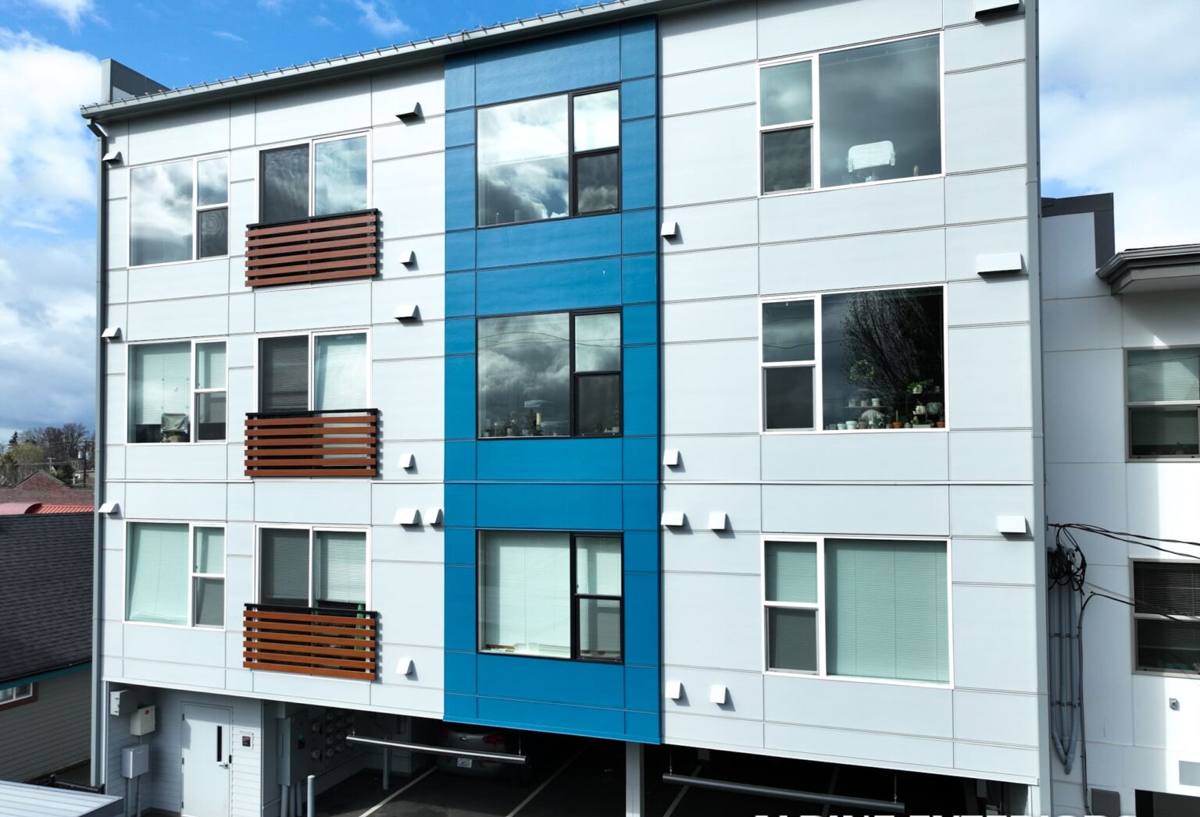
What Seminole Heights Homes Actually Need From a Window
Heat and UV Control
Tampa gets strong, direct sun for most of the year. Older single-pane or early dual-pane windows let a lot of that heat straight into the house, which drives up cooling costs and fades floors, furniture, and trim. A properly rated modern window with the right glass package cuts down on solar heat gain without making the house feel dark or sealed off.
Wind-Driven Rain
Tampa's storms rarely fall straight down. Wind pushes rain sideways into window frames, and if the flashing and sealant details underneath aren't done correctly, water finds its way behind the frame and into the wall cavity — often long before anyone notices a stain. This is one of the most common failure points we find on older Seminole Heights homes: the window itself may look fine, but the flashing behind it was never installed correctly in the first place.
Salt Air and Corrosion
Tampa doesn't sit directly on the open Gulf, but Hillsborough County is still close enough to the bay that salt in the air affects hardware, screens, and metal components over time. Corrosion-resistant hardware and finishes matter here more than they would further inland.
Wind Load and Storm Protection
Hurricane season is a real design consideration, not an afterthought. Windows in this area should be rated to handle the wind pressures and impact requirements set by Florida building code for our wind zone, whether that's met with impact-rated glass or an approved protective system.
Why Older Seminole Heights Homes Need Extra Care
A lot of window installers treat every job the same: rip out the old unit, drop in a new one sized to the existing rough opening, caulk the edges, and move on. On a newer, square, well-built opening, that can work fine. On an older Seminole Heights bungalow, it's a mistake.
Original openings on older homes are frequently out of square, sized to now-uncommon dimensions, or built with framing and sheathing materials that don't match what's typical in new construction. Installing a modern window into one of these openings correctly means checking the opening itself before assuming a standard new-construction or replacement unit will fit and perform properly. It also often means dealing with old paint, old caulk, and sometimes rot or moisture damage in the surrounding wood that has to be addressed before a new window goes in — not covered up behind it.
What a Correct Installation Actually Involves
The window itself only does part of the job. Most window failures we get called out to inspect aren't a bad window — they're an installation that skipped a step. A correct job includes:
- Removing the old unit and inspecting the full opening for rot, moisture damage, or out-of-square framing before anything new goes in
- Repairing or replacing damaged framing and sheathing rather than installing over it
- Installing proper flashing at the sill, jambs, and head — in the correct order, so water sheds outward instead of pooling behind the window
- Applying a continuous moisture barrier that ties into the home's existing weather-resistive barrier
- Setting the window plumb, level, and square, with shims placed correctly so the frame isn't stressed
- Sealing with the right sealant for exterior exposure, not just whatever caulk is on the truck
- Insulating the gap between the frame and the rough opening without overpacking it, which can bow the frame
- Finishing exterior trim and interior casing to match the home, especially important on older Seminole Heights homes with original trim detail
Choosing the Right Window for This Climate
There isn't one "correct" window for every Seminole Heights home — it depends on the home's age, exposure, and the homeowner's priorities. The table below covers the trade-offs we walk through with homeowners most often.
| Factor | What to Consider |
|---|---|
| Frame material | Vinyl is low-maintenance and budget-friendly; fiberglass holds up well to heat cycling and is more dimensionally stable; wood-clad offers a traditional look for older homes but needs more upkeep in humid, salty air |
| Glass package | Low-E coatings and gas-filled dual-pane glass reduce solar heat gain and cooling costs; the right package depends on which direction the window faces |
| Wind rating | Impact-rated glass or an approved protective covering system, sized to meet Hillsborough County's wind zone requirements |
| Hardware finish | Corrosion-resistant hardware matters more here than in drier, inland climates |
| Style match | Historic-style homes often do better with a window profile that respects the original sightlines rather than a stock modern replacement |
| Maintenance tolerance | Some materials look better long-term with more owner upkeep; others trade a bit of traditional appearance for lower maintenance |
We don't push one material or brand as the answer for every house. We'll walk through what the home actually needs and let the homeowner decide with honest information about the trade-offs, not a sales pitch.
Signs Your Seminole Heights Windows Need Attention
Window problems in this climate rarely show up all at once — they build gradually. Some signs worth acting on before they turn into a bigger repair:
- Windows that are difficult to open, close, or lock, or that have started to stick
- Visible gaps, warping, or soft spots in the frame or surrounding trim
- Condensation forming between panes of dual-pane glass, which usually means a failed seal
- Drafts or noticeable temperature differences near the window even when it's closed
- Peeling paint, staining, or a musty smell on the interior wall around a window — often a sign water is getting behind the frame
- A noticeable jump in cooling costs without another clear explanation
- Fogged, cracked, or corroded hardware and screens
Any one of these on its own might not be urgent. Several together, especially on an older home, usually means it's worth having someone take a real look rather than waiting.
Our Process
1. On-Site Assessment
We look at the actual condition of the openings, not just the windows themselves — framing, existing flashing, signs of past water intrusion, and how the home is oriented to sun and prevailing storm winds.
2. Honest Recommendations
We explain what's actually needed versus what's optional, including realistic trade-offs between materials and price points, so the decision is the homeowner's to make with full information.
3. Permitting
Window replacement in Hillsborough County and the City of Tampa generally requires a permit, particularly when it involves structural changes to the opening or falls under current wind-load requirements. We handle that process as part of the job.
4. Installation
Old units come out, openings get inspected and repaired as needed, and new windows go in following the flashing and sealing steps outlined above — not shortcuts to save time.
5. Final Walkthrough
We check operation, seals, and finish work with the homeowner before calling the job done.
Why Hiring a Crew That Works This Neighborhood Matters
Seminole Heights has a housing stock that's different enough from typical new-construction subdivisions that experience here actually matters. A crew that mostly installs windows in new-build homes with standard, square, code-current openings may not think twice about what's really going on behind an original 1940s window frame — and that's exactly where problems get built into a "new" installation.
Working regularly in Tampa and Hillsborough County also means dealing with local permitting and current wind-load requirements as a matter of routine, not a special case. That familiarity keeps a job moving instead of stalling on paperwork or code questions partway through.
Get a Straight Answer About Your Windows
If your Seminole Heights home has windows that are drafty, hard to operate, showing signs of water damage, or just old enough that you're wondering whether it's time — we're happy to come take an honest look. There's no pressure and no obligation, just a clear assessment of what your windows actually need. Use the form below to request a free estimate.