 Tampa Siding
 Storm Damage Is a Different Kind of Repair Job
Valrico sits inland from Tampa Bay, but "inland" doesn't mean sheltered. When a tropical system or a fast-moving summer storm rolls through Hillsborough County, Valrico roofs take wind-driven rain, hail-sized debris, and straight-line gusts that can lift shingles, crack tile, and tear at flashing in a matter of minutes. Storm damage repair isn't the same job as routine roof maintenance. It requires a different mindset: find every point where water can now get into the house, document what the storm actually did, and fix it in a way that holds up the next time weather rolls through — because in this part of Florida, it will.
We treat storm damage repair as its own discipline. The goal isn't just to patch the obvious hole. It's to check the whole roof system — decking, underlayment, flashing, and the field material itself — because storms rarely damage just one thing.
What Valrico's Climate Does to a Roof
Wind and Wind-Driven Rain
Hurricane-force and tropical-storm-force winds don't just rip shingles off — they drive rain sideways, up under shingle tabs and tile laps, and into any gap in flashing around chimneys, vent stacks, and roof-to-wall transitions. A roof can look intact from the ground after a storm and still be taking on water at a seam that's been lifted just enough to let wind-driven rain through.
Year-Round UV Exposure
Florida's intense, near-constant sun bakes asphalt shingles and dries out sealant strips over time, making them more brittle and more prone to cracking or lifting when a storm hits. A roof that's already UV-worn will sustain worse storm damage than a newer one under the same wind load, which is part of why age matters as much as the storm itself when we assess damage.
Salt Air and Humidity
Even inland, Hillsborough County gets enough salt-laden air off the Gulf and the Bay to accelerate corrosion on exposed metal — nail heads, flashing, and vent boots included. Corroded fasteners and flashing are weak points that storms exploit, turning what would be minor wind damage elsewhere into a real leak here.
What Storm Damage Actually Looks Like on a Valrico Roof
Valrico is a mix of established suburban neighborhoods with mature oak canopy and newer construction with less tree cover, and the two present different damage patterns.
- Wind-lifted or missing shingles — often on the roof's windward slope, ridge, and rake edges, where uplift forces are strongest.
- Cracked or slipped tiles — common on tile roofs when wind-borne debris or falling branches make direct impact.
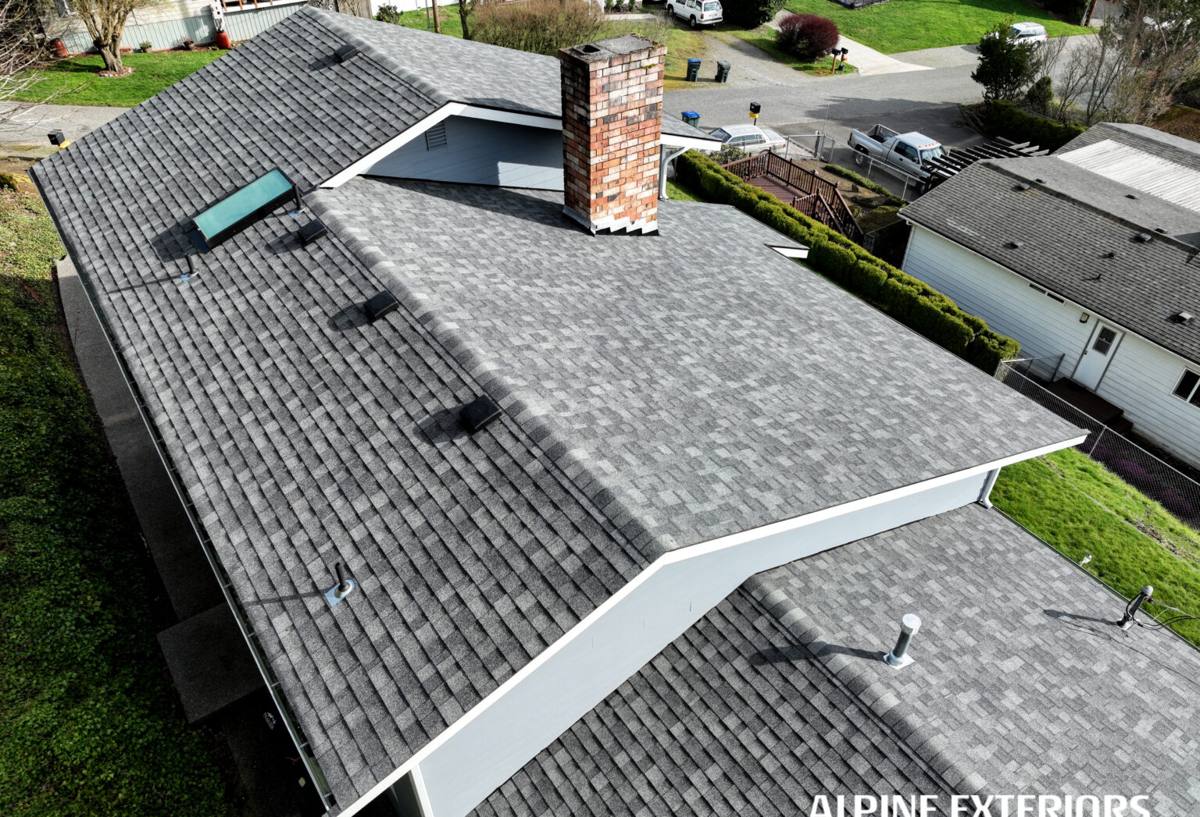
- Damaged flashing around chimneys, skylights, and roof-to-wall joints, where the metal has been bent, loosened, or corroded to the point it no longer sheds water.
- Limb and debris strikes from the area's oak and pine canopy, which can puncture decking or crack tile without necessarily removing a large section of roofing.
- Granule loss on asphalt shingles from hail or wind-blown debris, which isn't always a leak point immediately but accelerates UV breakdown afterward.
- Soft or spongy decking found only once shingles or tile are pulled back — a sign water has been getting in for longer than the storm that just passed.
What a Correct Storm Repair Involves
Start With the Decking, Not the Shingles
Any repair that only replaces the visible surface material without checking the decking underneath is incomplete. If storm water got past the field material, the plywood or OSB decking may already be wet or starting to delaminate. Replacing shingles or tile over compromised decking just hides the problem until it reappears as a sag or a soft spot.
Underlayment Matters as Much as the Surface
The underlayment is the roof's actual waterproofing layer — the shingles or tile are the wear surface on top of it. A correct storm repair replaces damaged underlayment in the repair area, not just the surface material, so the section is watertight again rather than just cosmetically restored.
Flashing Gets Rebuilt, Not Caulked
It's common to see storm-damaged flashing "fixed" with a bead of sealant. Sealant is a short-term patch, not a repair — Florida's UV and heat cycle sealant fast. A proper repair reforms or replaces the flashing itself so the joint sheds water mechanically, the way it's designed to, rather than relying on adhesive that will fail again.
Matching Materials, Where Possible
For a partial repair — a section of missing shingles or a handful of cracked tiles — we match the existing material as closely as the market allows. Shingle color runs and tile profiles do change over the years, so on an older roof a perfect match isn't always possible; we'll tell you honestly if that's the case rather than promise a seamless blend we can't deliver.
Emergency Tarp vs. Permanent Repair vs. Section Replacement
Not every storm-damaged roof needs the same scope of work. The right response depends on how much of the roof was affected and whether the damage compromised the deck.
| Option | When It's Right | What It Solves |
|---|---|---|
| Emergency tarp | Active leak, storm just passed, permanent materials not yet available | Stops water intrusion immediately; buys time for a proper repair or insurance inspection |
| Targeted permanent repair | Damage limited to a specific section — a few dozen shingles, a run of tile, one flashing detail | Restores the roof to sound condition in that area without disturbing the rest of the roof |
| Full section or slope replacement | Decking is compromised, damage is spread across a slope, or the existing material is too old to match or is failing broadly | Rebuilds the roof system in that area from the deck up, rather than patching an aging roof piecemeal |
We'll walk you through which category your roof falls into and why — we're not going to sell a full section replacement when a targeted repair genuinely solves the problem, and we're not going to under-scope a job where the decking is already wet.
Documentation Matters as Much as the Repair
Storm damage repairs are one of the few exterior jobs where paperwork is almost as important as the physical work. If you're filing an insurance claim, we document the damage with photos before we touch anything, note the likely cause (wind, impact, or a combination), and keep a clear record of what was repaired and with what materials. That record is what protects you if there's ever a question later about whether the repair was done correctly or whether the damage was pre-existing.
Our Process for Valrico Storm Repairs
- Initial contact and, if needed, emergency tarp. If there's an active leak, stopping water intrusion comes first.
- Full roof inspection — not just the damaged area, since one storm-damaged spot often means there's related wear nearby worth flagging.
- Photo documentation of the damage, useful for your records and for any insurance claim.
- Written scope and estimate explaining exactly what will be repaired, what materials will be used, and why.
- Permitting, when the scope requires it under Hillsborough County code.
- Repair work — decking, underlayment, flashing, and surface material, in that order.
- Final walkthrough so you can see the completed work and ask questions before we consider the job done.
Why a Crew That Already Works Valrico Matters
Storm response is partly about speed and partly about local knowledge. A crew that already works in Valrico and the surrounding Hillsborough County area knows the county's permitting process, is familiar with the roofing materials common to the area's housing stock, and isn't learning the local building department's requirements for the first time on your job. After a widespread storm event, out-of-town crews often move through an area quickly and are gone before problems surface — a local contractor is still here, and still reachable, months or years later if a question comes up about the work.
Signs You Should Have Your Roof Checked After a Storm
- Visible missing, cracked, or lifted shingles or tiles from the ground
- Granules collecting in gutters or at downspouts after a storm
- Water stains on ceilings or ceiling corners, even if faint
- Damp or musty smell in the attic
- Debris or a fallen limb that made contact with the roof
- Visible bent or displaced flashing around a chimney or vent
- Sagging or soft-feeling spots when walking the attic near the roofline
Not every item on this list means major damage — but any of them is a reason to have the roof looked at rather than wait for the next storm to make the problem worse.
Get an Honest Look at Your Roof
If your Valrico home has taken storm damage — or you're not sure whether it has and just want a second opinion — we're glad to come take a look. The estimate is free, there's no pressure to move forward, and if the honest answer is "this is minor, keep an eye on it," that's what we'll tell you. Use the form below to request your free storm damage roof inspection.