 Tampa Siding
 Asphalt Shingle Roofing Built for Wesley Chapel's Climate
Wesley Chapel sits inland from Tampa Bay but that doesn't spare it from the weather that wears down Hillsborough County roofs year-round. Homes here deal with intense UV exposure nearly every month of the year, sudden downpours that arrive almost daily in summer, and the outer bands of hurricane-force wind when tropical systems track through the region. Asphalt shingles remain the most practical, cost-effective roofing choice for the vast majority of homes in this area — but only when they're specified, installed, and maintained correctly for what this climate actually does to a roof.
We work on asphalt shingle roofs throughout Wesley Chapel regularly, which means we're not guessing at what fails first here. We see the same patterns over and over: shingles that granule-strip early from sun exposure, nail pops from repeated thermal expansion and contraction, and wind damage concentrated at ridges, eaves, and rake edges where uplift pressure is highest. This page covers what a correctly built or repaired asphalt shingle roof looks like for a Wesley Chapel home, and what our process involves from first look to final inspection.
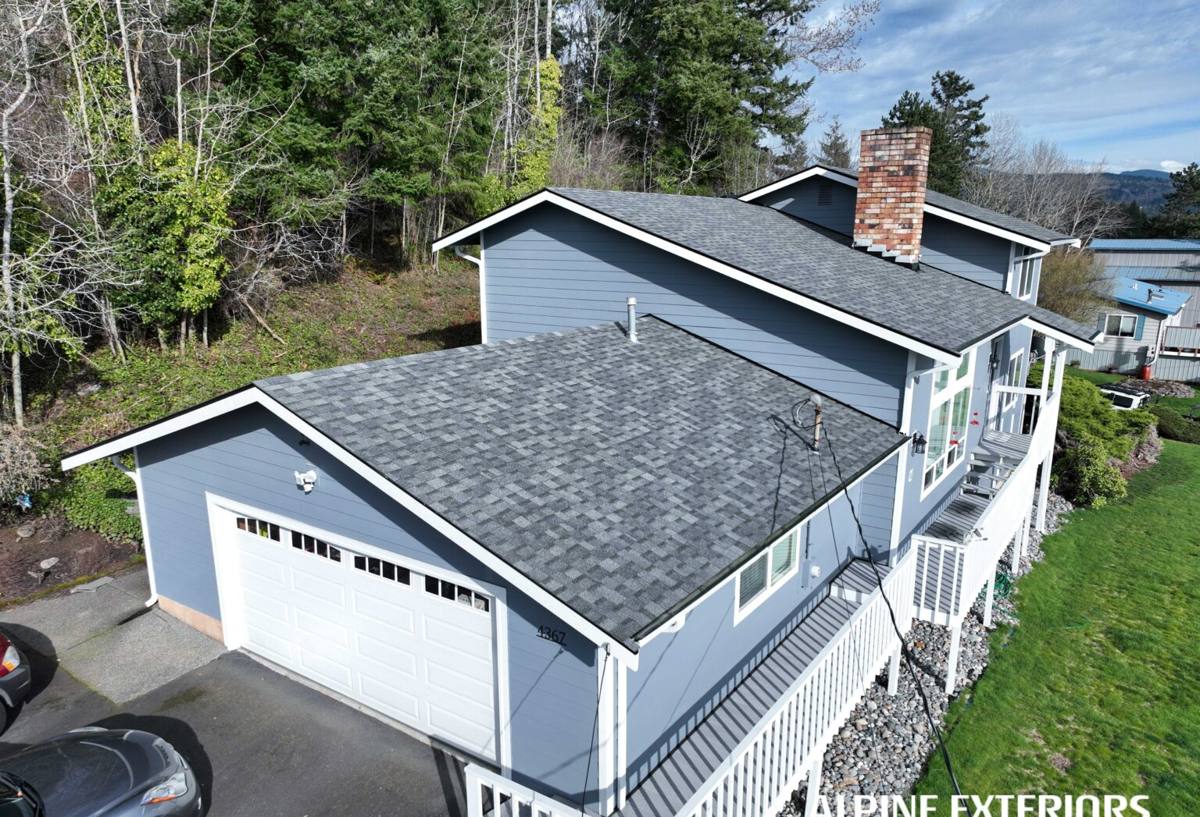
Why Asphalt Shingles Still Make Sense Here
Asphalt shingle roofing remains the dominant choice in this part of Florida for good reason. It's cost-effective relative to metal or tile, it's readily available from every major manufacturer with strong warranty support, and modern architectural shingles rated for high wind have closed much of the performance gap that used to favor other materials in storm-prone areas. The key word is "rated" — not every shingle sold is built for what Hillsborough County requires, and that's where a lot of roofs in this area go wrong before a single storm even arrives.
What Matters More Than the Shingle Brand
Homeowners often focus on brand names, but the wind rating, the underlayment system beneath the shingles, and the quality of the installation matter more to how the roof performs than which manufacturer's name is on the wrapper. A premium shingle installed with weak fastening or the wrong underlayment will underperform a mid-grade shingle installed correctly.
What Wesley Chapel's Climate Actually Does to a Roof
Understanding the failure modes specific to this area helps explain why we build roofs the way we do.
- UV degradation: Central Florida sun breaks down asphalt binders and strips protective granules faster than in most of the country, shortening effective shingle life if the product and ventilation aren't matched to the exposure.
- Wind-driven rain: During tropical systems and strong summer storms, rain doesn't just fall — it drives sideways under shingle tabs and around penetrations, which is why sealing details matter as much as the shingles themselves.
- Hurricane and tropical-storm wind: Even when Wesley Chapel isn't in the direct path of a storm, outer bands regularly bring sustained wind and gusts strong enough to lift improperly fastened shingles, especially at edges and ridges.
- Heat cycling: Daily temperature swings between hot afternoons and cooler nights cause shingles and fasteners to expand and contract, which over years works nails loose if the original nailing pattern was off.
- Humidity and attic moisture: Florida's humidity makes proper attic ventilation non-negotiable — trapped heat and moisture cook a roof deck from underneath, shortening shingle life regardless of what's happening outside.
None of these factors are unique to Wesley Chapel, but together they define what "built correctly" means for this specific area, and they're why a roof detailed for a drier or milder climate doesn't hold up the same way here.
What a Correct Asphalt Shingle Roof Involves
The Deck and Underlayment
The roof deck itself gets inspected before anything goes on top of it — soft, delaminated, or water-stained decking gets replaced, not covered over. On top of the deck, we install an underlayment system suited to Florida conditions, generally a synthetic or self-adhering membrane at vulnerable areas like valleys, eaves, and penetrations, since this layer is what actually keeps a home dry if wind-driven rain gets under a shingle tab during a storm.
Fastening and Wind Rating
Nailing pattern and fastener count matter enormously in a wind-prone county like Hillsborough. We follow manufacturer specifications for the shingle's rated wind speed, which typically means more fasteners per shingle than the bare minimum, placed in the manufacturer's nailing zone rather than wherever is fastest. This is one of the most common shortcuts we find on roofs that failed prematurely in wind events — it's invisible once the roof is finished, which is exactly why it needs to be done right the first time.
Flashing and Penetrations
Chimneys, vents, skylights, and wall-to-roof transitions are where the majority of leaks originate — almost never through the shingle field itself. Correct step flashing, counterflashing, and pipe boot seals are what keep these points watertight through years of thermal cycling and storm exposure.
Ventilation
A roof that can't breathe traps heat and moisture in the attic, which shortens shingle life from underneath and can void manufacturer warranties. We check intake and exhaust ventilation balance as part of any full roof job, not as an afterthought.
Repair, Recover, or Replace?
Not every roofing issue in Wesley Chapel calls for a full replacement. We evaluate the roof honestly and give homeowners a straight answer on which category their roof falls into.
| Situation | Typical Approach | Why |
|---|---|---|
| Isolated wind or storm damage, roof otherwise sound | Targeted repair | Deck and underlayment are still in good shape; only the damaged section needs new shingles and flashing |
| Widespread granule loss, shingles past two-thirds of expected life | Full replacement | Patching an aging roof doesn't stop the clock on the rest of it, and mismatched shingle color/age looks worse over time |
| Soft decking or evidence of long-term leaks | Deck repair plus new roofing system | New shingles over a compromised deck won't hold fasteners correctly or pass inspection |
| Cosmetic wear, no leaks, roof under 10-15 years old | Monitor and maintain | Premature full replacement isn't in the homeowner's interest if the underlying system is still sound |
Our Process for Wesley Chapel Homes
- On-site inspection: We physically get on the roof (not just satellite imagery) to check the deck, existing shingle condition, flashing, and ventilation before recommending anything.
- Honest scope and written estimate: We explain what we found, what it means for your roof's remaining life, and give a clear written estimate — repair or replacement, no upselling to a bigger job than the roof needs.
- Material selection: We help match shingle wind rating and warranty to your specific home and budget, since a roof facing more open exposure may warrant a different product than one that's more sheltered.
- Installation: Deck repair as needed, correct underlayment system, manufacturer-specified fastening, and proper flashing and ventilation detailing.
- Final walkthrough: We review the finished work with the homeowner and clean the property before we consider the job done.
What to Ask Any Roofing Contractor Before You Sign
- Are you licensed and insured to work in Hillsborough County, and can you provide proof?
- What wind rating shingle are you specifying, and is it appropriate for this property's exposure?
- What underlayment system are you using, and where does it get reinforced (valleys, eaves, penetrations)?
- Will you inspect and, if needed, repair the deck before installing new shingles — not just cover it?
- What does the workmanship warranty cover, separate from the manufacturer's shingle warranty?
- Will you pull the required permit and schedule the inspection, or is that left to me?
Why Local Experience in This Area Matters
A roofing crew that works Wesley Chapel and the surrounding Hillsborough County area regularly knows the local permitting process, understands what wind rating and building code actually require here, and has already seen how different shingle products hold up under this specific combination of sun, humidity, and storm exposure. That's different from a crew passing through the area for one job. It also means we're accountable and reachable afterward — for warranty questions, for a post-storm check, or for maintenance down the road — because this is the community we actually work in, not a one-time service area on a map.
Maintaining Your Roof Between Major Work
Asphalt shingle roofs in this climate benefit from periodic attention rather than being ignored until there's a leak. A few habits go a long way:
- Have the roof visually checked after any major storm, even if you don't see obvious damage from the ground.
- Keep gutters and valleys clear so water doesn't pool or back up under shingles.
- Trim back overhanging branches that can abrade shingles in wind or drop debris during storms.
- Address small issues — a lifted shingle tab, a cracked pipe boot — before they become water intrusion problems.
- Schedule a professional inspection every couple of years, even on a roof that seems fine, since granule loss and fastener wear aren't always visible from the ground.
Get an Honest Look at Your Roof
Whether your Wesley Chapel home needs a repair after recent weather, a full roof replacement, or just an honest opinion on how much life is left in your current shingles, we're glad to take a look. Request a free, no-pressure estimate using the form below and we'll give you a straight assessment — no pressure, no inflated scope, just what your roof actually needs.