 Tampa Siding
 Window Installation Built for Wesley Chapel's Climate
Wesley Chapel has grown fast over the last two decades, and a lot of that growth means homes now aging into the window-replacement window (no pun intended) — typically 15 to 25 years old, with original builder-grade windows that were never meant to last a lifetime. Whether your home sits closer to the Hillsborough County line or further out toward Pasco's newer developments, the climate stress on windows here is the same: long stretches of intense UV, sudden hurricane-season wind loads, wind-driven rain that finds every gap, and a humid subtropical climate that punishes any seal or frame that isn't installed correctly the first time.
Window installation is not just a carpentry task — it's a weatherproofing task with a window attached. A window that looks fine and even opens and closes fine can still be a slow-motion problem if the flashing, sealant, and fastening underneath weren't done to spec. In this climate, those mistakes show up as stucco cracking, interior staining, mold behind drywall, and spiking energy bills long before the glass itself fails.
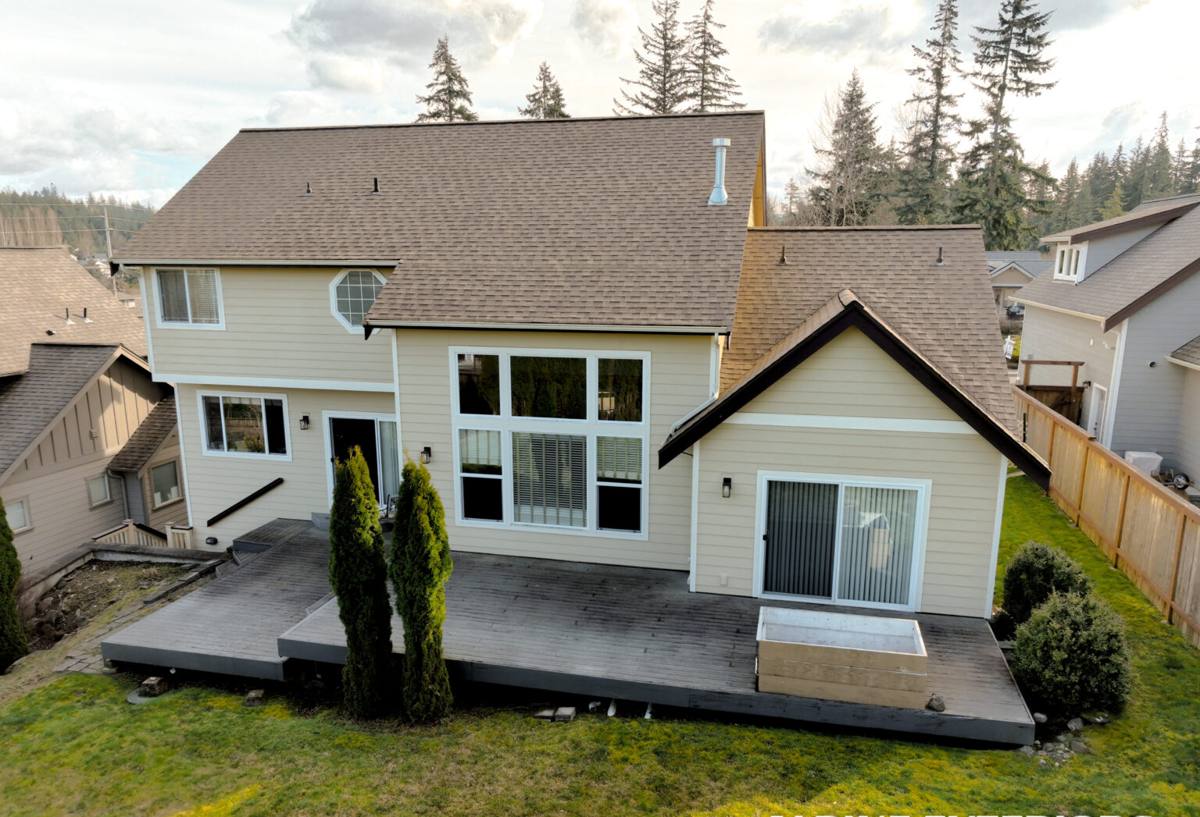
Signs Your Wesley Chapel Home Needs New Windows
Homeowners often wait too long because window problems tend to hide behind trim, blinds, or stucco until they're expensive. Here's what we look for, and what you can check yourself:
- Fogging or a milky haze between panes (failed seal on double-pane glass)
- Windows that are hard to open, don't latch fully, or rattle in wind
- Soft spots, bubbling paint, or discoloration on interior walls or sills near a window
- Visible daylight or a draft around the frame when the AC is running
- Chalky, faded, or brittle exterior frames, especially on west- and south-facing walls
- A noticeable jump in cooling costs during peak summer months
- Condensation forming on the interior glass or frame on humid mornings
Any one of these can be minor. Two or three together usually means the window system — not just the glass — has reached the end of its useful life.
What a Correct Window Installation Actually Involves
The window unit itself is often the easy part. What separates a durable installation from one that fails in three to five years is everything that happens around the window opening — the part nobody sees once trim goes back on.
Removing the Old Window Without Damaging the Opening
Old windows have to come out carefully to expose the rough opening, the existing framing, and any hidden damage — rotted wood, deteriorated sheathing, or old flashing that's already failed. This is also when we find out if water has been getting in unnoticed, which is common in homes that are 15+ years old.
Repairing and Prepping the Opening
Any compromised framing or sheathing gets repaired before a new window goes in. Installing a new window into a damaged or improperly sized opening just locks the existing problem behind new trim — it doesn't fix it.
Flashing and Moisture Barrier Work
This is the single most important step for a coastal-humid climate like ours. Proper flashing tape and a correctly lapped moisture barrier around the sill, jambs, and head of the opening direct any water that gets past the exterior finish back out, instead of into the wall cavity. Skipping or shortcutting this step is the number one cause of hidden water damage in window installations we're called to repair.
Setting, Shimming, and Fastening
The window has to be set level, plumb, and square, then shimmed and fastened according to the manufacturer's installation instructions and the local wind-load requirements for the opening size. Under-fastening is an obvious problem in high wind; over-fastening or fastening into the wrong substrate can crack frames or void a warranty.
Sealing and Finishing
Exterior sealant, weep holes, and trim all have to be installed so water can drain out, not collect. On stucco homes — common throughout Wesley Chapel — the stucco has to be properly cut back, sealed, and finished around the new frame, which takes more care than it does on lap siding.
Choosing the Right Window for This Climate
Not every window sold at a big box store is built for what Tampa Bay area weather does to a house over a decade. Frame material, glass package, and impact rating all matter more here than in milder climates.
| Frame Material | Typical Lifespan | Climate Considerations |
|---|---|---|
| Vinyl | 20–30 years | Good value, won't rot or corrode; quality varies a lot by manufacturer and reinforcement |
| Aluminum | 20–30+ years | Strong and slim profile; conducts heat, so thermal breaks matter for energy performance |
| Fiberglass/composite | 30+ years | Very stable in heat/humidity swings, higher upfront cost |
| Wood/wood-clad | Varies | Requires more upkeep in humid, salt-influenced air; not our default recommendation here |
For glass, we generally point Wesley Chapel homeowners toward Low-E coated, insulated glass units with a low Solar Heat Gain Coefficient (SHGC) — that's the spec that keeps summer heat from radiating through the glass into your living space, which is the biggest driver of window-related cooling costs in Florida.
Impact-Rated Windows and Wind-Borne Debris
Wesley Chapel isn't in Florida's officially designated High-Velocity Hurricane Zone (that classification applies further south), but homes here still fall under Florida Building Code wind-borne debris region requirements, and hurricane-force gusts are a real, recurring risk during the season. Impact-rated windows — laminated glass designed to stay intact under debris impact and wind pressure — are worth the added cost for most homeowners here, either instead of separate storm shutters or as a lower-maintenance alternative to them. We can walk through the actual pressure ratings required for your specific opening sizes and elevation, since those numbers vary by house.
Our Installation Process
- On-site assessment — we measure openings, check framing condition, and note any stucco, siding, or structural issues that affect the job
- Product selection — we go over frame material, glass package, and impact rating options based on your budget and the wall's sun exposure
- Permitting — window replacement in Hillsborough and Pasco counties generally requires a permit; we handle the paperwork and inspection scheduling
- Removal and prep — old units come out, openings get inspected and repaired as needed
- Installation — flashing, setting, fastening, and sealing to manufacturer spec and local code
- Finish work — trim, stucco patching, and interior finishing to match the surrounding wall
- Final walkthrough — we test operation, check seals, and confirm everything passes inspection
What Affects the Cost of a Window Installation
Every home is different, but these are the main variables that move the price up or down. We won't quote a job without seeing the openings, but this gives you a realistic starting point for planning.
| Factor | Why It Matters |
|---|---|
| Number and size of openings | More or larger windows mean more material and labor |
| Frame material and brand | Vinyl, aluminum, fiberglass, and impact-rated units all price differently |
| Impact rating vs. standard glass | Impact-rated units cost more upfront but often replace the need for shutters |
| Condition of the existing opening | Rot, water damage, or out-of-square framing adds repair time before install |
| Exterior finish (stucco vs. siding) | Stucco cutback and patching takes more labor than lap siding |
| Retrofit vs. full-frame replacement | Full-frame replacement costs more but is often the right call on older or damaged openings |
| Permit and inspection requirements | Included in most quotes, but varies by scope and jurisdiction |
Retrofit vs. Full-Frame Replacement
A retrofit (or "pocket") installation reuses the existing frame and is faster and less invasive, but only makes sense if that existing frame is still sound and properly sized. Full-frame replacement removes everything down to the rough opening, which costs more but is often the honest recommendation once we find water damage, rot, or an opening that's out of square — patching over that with a retrofit just hides the underlying issue.
Permits and Local Code
Window replacement is a permitted job in this area, and for good reason — inspectors are verifying that wind-load ratings, egress requirements (for bedroom windows especially), and flashing/waterproofing details actually meet code, not just that a window got installed. Skipping the permit might save a little time, but it leaves you without a documented, inspected installation if you ever need to make an insurance claim or sell the home. We pull permits as a standard part of the job.
Why a Local Wesley Chapel Crew Matters
A crew that regularly works this area already knows the housing stock — the common builders, the typical stucco systems, the way certain neighborhoods' homes were framed, and which permitting office to call with a question. That familiarity shows up in fewer surprises mid-job and a more accurate quote up front. It also means someone local is available if a question comes up after the job is done, rather than a crew that installed your windows and then moved three counties away.
If your windows are original to the house, showing wear, or you're just tired of high summer cooling bills, we're happy to take a look and give you a straightforward, no-pressure estimate — no obligation, just an honest read on what your home actually needs.