 Tampa Siding
 Window Replacement Built for Lutz's Climate
Lutz sits in northern Hillsborough County, where the housing stock ranges from older ranch homes on wooded, lake-adjacent lots to newer subdivisions built in the last two decades. Whatever the age of the house, the windows all face the same enemies: hurricane-force wind gusts during storm season, wind-driven rain that finds every weak seal, intense UV exposure nearly every day of the year, and a steady dose of salt-laden air carried inland from Tampa Bay. None of that is unique to Lutz, but it's relentless here in a way that homeowners who moved from other parts of the country often underestimate until their first full Florida summer and storm season.
Window replacement done right in this area isn't just a cosmetic upgrade. It's a functional decision about how well your home resists water intrusion, how much strain your air conditioner is under, and how the structure performs when a storm rolls through. This page focuses specifically on what that means for Lutz homeowners and how we approach the job.
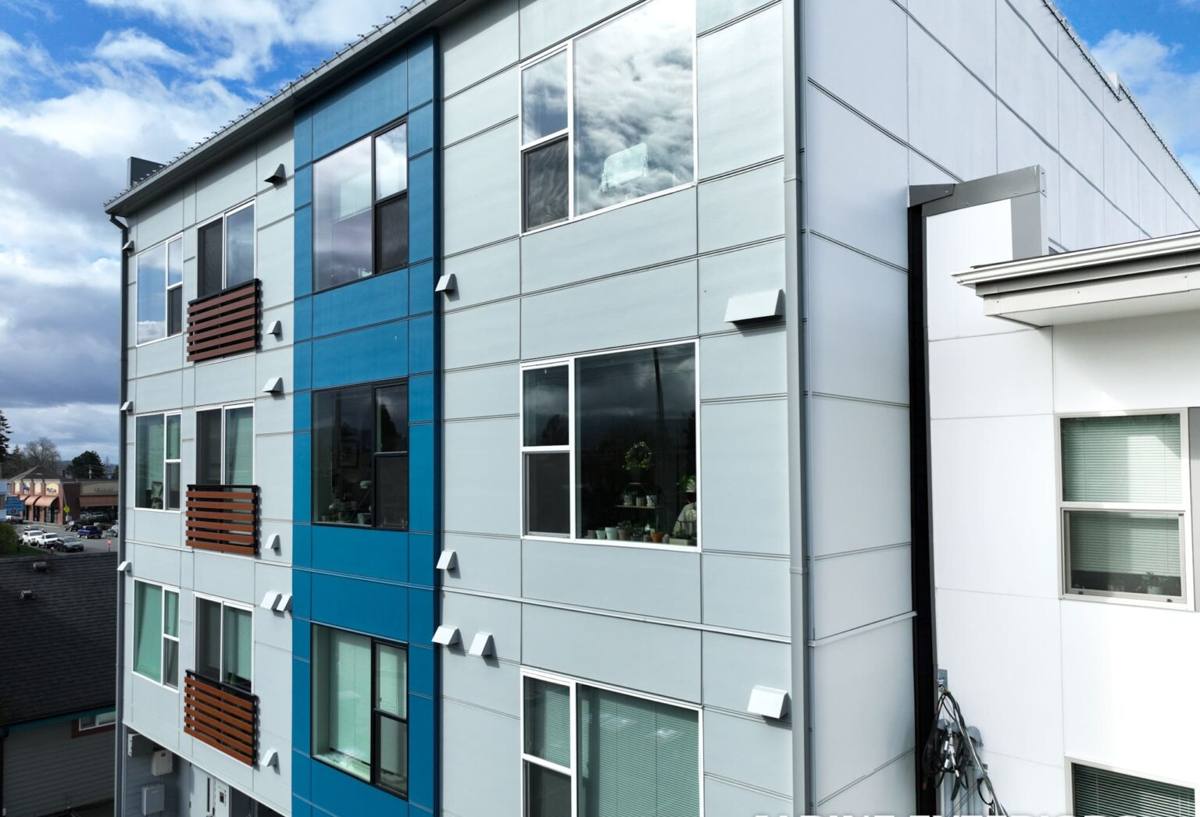
Signs a Lutz Home Needs New Windows
Windows rarely fail all at once. They degrade gradually, and by the time the problems are obvious, moisture or air infiltration has usually been an issue for a while. Common signs we see on service calls in this area include:
- Fogging or a permanent haze between panes on double-pane windows, which means the seal has failed and the insulating gas has escaped
- Windows that are difficult to open, close, or lock, often from frame warping caused by heat cycling
- Visible daylight, drafts, or a whistling sound around the frame during windy conditions
- Soft or discolored wood trim around the window opening, a sign water has been getting behind the frame
- A noticeable jump in cooling costs without any other explanation
- Condensation on the inside of the glass during humid months, which points to poor insulating performance
Any one of these on its own might just mean a repair. Several at once, especially on a home with its original windows, usually means replacement is the more cost-effective long-term call.
What a Correct Window Replacement Actually Involves
The window itself matters, but installation quality is what determines whether that window performs for fifteen years or leaks within two. This is the part of the job that's invisible once the trim goes back on, and it's also where most poor installations go wrong.
Removal and Opening Prep
Old windows come out carefully to avoid damaging the surrounding stucco, siding, or framing. Once the opening is exposed, we check the sill and framing for rot, soft spots, or prior water damage. In humid Gulf Coast climates, hidden moisture damage around old window openings is common enough that we don't skip this step, even when the homeowner just wants a quick swap.
Flashing and Waterproofing
This is the step that separates a durable installation from one that leaks in year three. Proper flashing directs any water that gets past the window itself back out and away from the wall assembly, not into it. Wind-driven rain during Florida storms doesn't fall straight down, it drives sideways into the wall, so flashing details around the head, jambs, and sill all matter, not just the bottom of the opening.
Fastening, Shimming, and Leveling
The window has to be shimmed square and plumb before it's fastened, and fastened according to the manufacturer's schedule, not a shortcut version. An unlevel or improperly shimmed window puts uneven stress on the frame, which leads to operational problems and gaps over time.
Sealing and Finish
Interior and exterior sealant beads close out the installation, along with insulation in the gap between the window frame and the rough opening. Trim and interior finish work are matched back to the existing wall so the replacement doesn't look like a patch job.
Choosing Windows for Hillsborough County's Conditions
Not every window sold in a national home improvement store is a good fit for this climate. Frame material, glass package, and hardware all affect how well a window holds up to Tampa's UV and humidity over the long run.
| Frame Material | How It Performs Locally | Trade-Offs |
|---|---|---|
| Vinyl | Good UV and moisture resistance, low maintenance, common and cost-effective choice | Can expand/contract with heat cycling if not installed correctly; quality varies widely by manufacturer |
| Aluminum | Strong and slim sightlines, historically common in Florida | Conducts heat, less energy-efficient unless thermally broken |
| Fiberglass | Very stable in heat and humidity, holds paint well, minimal expansion | Higher upfront cost than vinyl |
| Wood/Wood-Clad | Traditional appearance | Higher maintenance burden in humid climates; we're selective about where we recommend it |
On the glass side, low-E coated, dual-pane glass is the practical standard for this area. It cuts down on solar heat gain, which directly affects how hard your AC has to work, and it reduces UV transmission that fades flooring and furniture. For homes exposed to more sun or closer to the water, we'll often talk through impact-rated glass as well, which brings its own benefits beyond storm protection.
Impact-Rated Windows and Local Code
Hillsborough County follows the Florida Building Code, and window replacements are permitted work, not something that skips inspection. Depending on your home's wind zone and the scope of the project, code may dictate specific wind load and impact requirements for the replacement windows.
Impact-rated windows use laminated glass that stays intact even when the outer pane cracks, which protects the opening from wind-driven debris during a storm. They also tend to cut down on outside noise and add a layer of forced-entry resistance. They cost more upfront than standard windows, but for homes without hurricane shutters, they remove a step from storm prep entirely, since the window itself is the protection. We'll walk you through what applies to your specific home rather than assume one answer fits every house in Lutz.
Our Process
We keep the process straightforward because most homeowners are doing this once and want to understand what's happening at each stage:
- On-site assessment. We look at your existing windows, framing condition, and how the home is oriented to sun and prevailing wind before recommending anything.
- Written estimate. You get a clear breakdown of window selection, scope, and cost before any work is scheduled, with no pressure to decide on the spot.
- Permitting. We handle the Hillsborough County permit and coordinate the required inspections so you don't have to chase paperwork.
- Installation. Most homes are done in a matter of days, working room by room so the house isn't fully open at once.
- Walkthrough and cleanup. We check operation on every window, clean up debris, and go over care basics before we consider the job finished.
What Affects the Cost of Window Replacement
Every home is different, so we don't quote sight unseen, but these are the main factors that move the price up or down on a typical Lutz project:
| Factor | Why It Matters |
|---|---|
| Frame material and glass package | Vinyl standard glass costs less than fiberglass or impact-rated laminated glass |
| Number and size of openings | Larger windows and more of them increase material and labor time |
| Framing condition | Rot or water damage found during removal adds repair work before the new window goes in |
| Impact rating requirements | Impact glass and reinforced framing cost more than standard construction |
| Trim and finish complexity | Matching existing interior trim or stucco detailing takes more time than a simple swap |
We give a broad range during the initial conversation and a firm number after the on-site assessment, so you're not guessing.
Why Hire a Crew That Already Works in Lutz
A contractor familiar with this part of Hillsborough County has already dealt with the practical realities of the area: how older homes in established Lutz neighborhoods were originally framed, how newer construction differs, and what the county's permitting and inspection process actually requires in practice, not just on paper. That familiarity saves time and avoids the guesswork that comes with a crew installing here for the first time.
It also means we're not disappearing after the sale. If a seal ever seems off or a window isn't operating the way it should a year or two down the road, we're a local call, not a name from out of state.
Caring for Your New Windows
New windows are close to maintenance-free, but a little attention keeps them performing as designed for their full service life:
- Rinse frames and tracks periodically to clear salt residue and dust, especially on homes closer to the bay
- Check and clean weep holes on the exterior sill so water can drain properly
- Inspect exterior caulk lines once a year and have any cracked sealant addressed before rainy season
- Operate locks and hardware occasionally even on windows you rarely open, to keep mechanisms from seizing
- Avoid pressure-washing directly at window seals, which can force water past the sealant
If you're weighing whether to repair or replace, or you just want an honest read on what your current windows need, we're happy to take a look. Reach out for a free, no-pressure estimate using the form below.