 Tampa Siding
 Why South Tampa's Climate Is Hard on Asphalt Shingle Roofs
South Tampa sits on a peninsula wrapped by Tampa Bay, Hillsborough Bay, and Old Tampa Bay, which means homes here take on more than the average Florida roof has to handle. Salt-laden air moves off the water and settles on fasteners, flashing, and vent components, speeding up corrosion in ways homeowners further inland rarely deal with. Add in intense, near-constant UV exposure that breaks down asphalt oils and shingle granules over time, plus the wind-driven rain that comes with Hillsborough County's summer storms and hurricane season, and you have a roof that's under attack from three directions at once, not just one.
None of that means asphalt shingles are a poor fit for South Tampa — they remain one of the most cost-effective, widely used roofing materials in the region. It means the shingle itself, the underlayment beneath it, the fasteners holding it down, and the flashing sealing every edge and penetration all need to be chosen and installed with this specific climate in mind. A roof detailed the same way it would be in a drier, calmer part of the country will fail here years before it should.
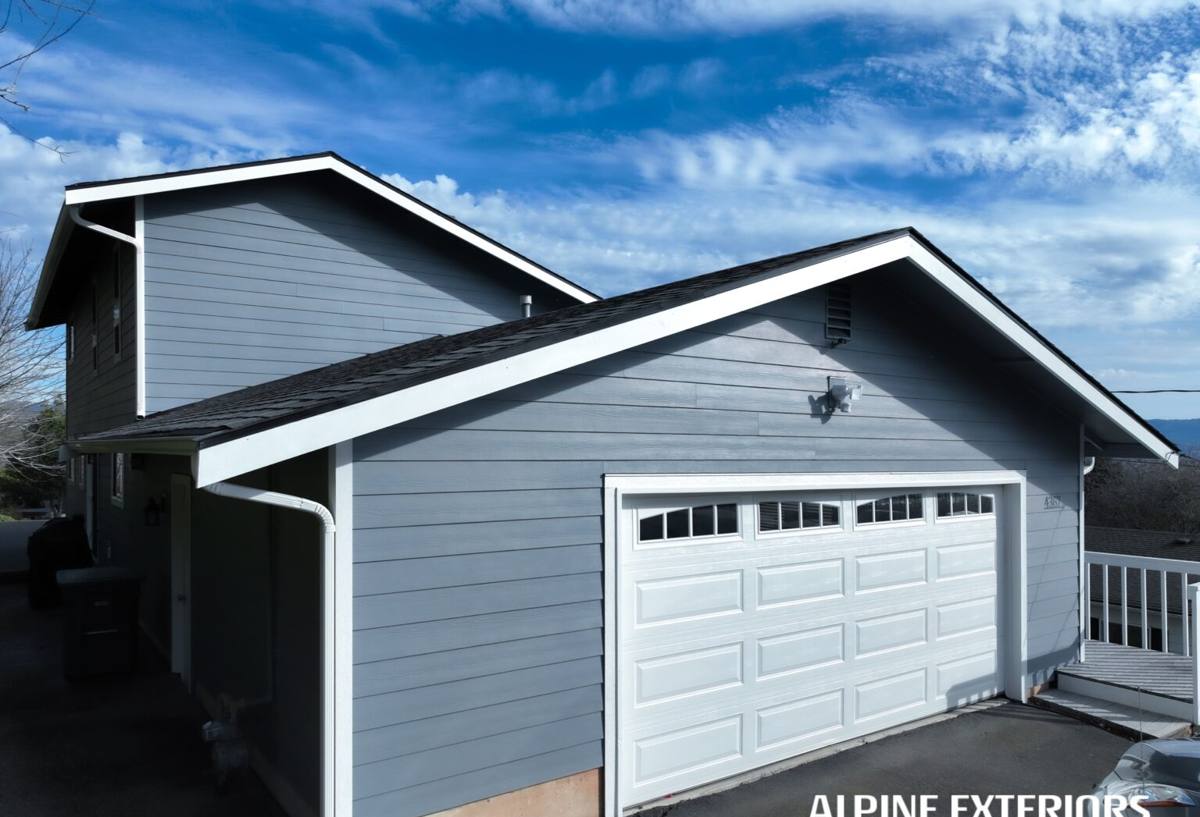
Choosing the Right Shingle for a South Tampa Home
Not all asphalt shingles are built the same, and the differences matter more in a coastal wind zone than they do elsewhere. The three factors we weigh with homeowners are wind rating, algae resistance, and warranty structure — in that order.
3-Tab vs. Architectural (Laminated) Shingles
3-tab shingles are lighter, single-layer, and generally carry lower wind ratings. Architectural (laminated) shingles use two bonded layers, sit heavier on the roof deck, and hold up noticeably better in sustained wind because there's more material and adhesive resisting uplift at every tab. For South Tampa, where summer thunderstorms and tropical systems both bring sustained wind rather than a single gust, we steer most homeowners toward architectural shingles.
Algae Resistance
Florida's humidity encourages algae growth that shows up as dark streaking on north-facing roof slopes. Algae-resistant (AR) shingles are treated with copper or zinc granules that discourage this growth. It's a cosmetic issue more than a structural one, but it's worth specifying up front since retrofitting it later isn't possible.
| Shingle Type | Typical Wind Rating | Best Fit For |
|---|---|---|
| 3-Tab | Lower (varies by product) | Budget-conscious re-roofs on lower-exposure structures |
| Architectural / Laminated | Higher, rated for sustained coastal wind loads | Most South Tampa homes, especially open or elevated lots |
| High-Wind / Impact-Rated Lines | Highest, built for hurricane-prone regions | Waterfront-adjacent homes, higher-exposure roofs |
What a Wind-Resistant Installation Actually Involves
The shingle you choose only performs to its rating if it's installed correctly. This is where a lot of roofs in wind-exposed areas fall short — not because of a bad product, but because of shortcuts in the installation.
Nailing Pattern
Every shingle has a manufacturer-specified nailing pattern, and in high-wind regions that usually means six nails per shingle instead of four, placed in the exact nailing zone the manufacturer marks. Skipping nails or placing them incorrectly is one of the most common reasons shingles blow off in a storm that the product itself was rated to withstand.
Underlayment and Sealed Deck
Beneath the shingles, we install a synthetic underlayment across the full roof, with a self-adhering, peel-and-stick membrane at eaves, valleys, and other vulnerable transitions. On many South Tampa homes we also seal the deck seams themselves — taping the plywood joints before underlayment goes down. This creates a secondary water barrier, meaning if wind-driven rain ever gets past the shingles, it still can't reach the wood deck underneath. It's a detail the Florida Building Code recognizes specifically because wind-driven rain, not just standing rain, is the real threat here.
Drip Edge and Starter Strip
A properly installed metal drip edge along eaves and rakes, paired with a full starter strip (not just cut-down shingles), closes off the roof's most vulnerable leading edges — exactly where wind first gets underneath a shingle and begins to peel it back.
Ventilation: The Overlooked Factor in Roof Longevity
A hot, poorly ventilated attic bakes the underside of a shingle roof from below at the same time UV is breaking it down from above. Balanced ventilation — enough intake at the soffits and enough exhaust at the ridge — keeps attic temperatures closer to outdoor levels and reduces the thermal stress that shortens shingle life. It also helps control moisture buildup, which matters in a humid climate where trapped attic moisture can lead to deck rot over time. We check existing intake and exhaust balance on every re-roof and correct it as part of the job when it's undersized, rather than leaving it as an afterthought.
Flashing, Fasteners, and Salt Air Corrosion
Salt air doesn't just affect homes directly on the water — it travels across the whole South Tampa peninsula and settles on exposed metal everywhere. This is where corrosion-resistant material choices matter:
- Flashing around chimneys, walls, and roof-to-wall transitions should be a corrosion-resistant metal appropriate for coastal exposure, not the cheapest galvanized option on the shelf.
- Fasteners exposed to weather should resist rust staining and degradation rather than just meeting minimum code.
- Pipe boots — the rubber collars sealing plumbing vents — are a common failure point in Florida because UV breaks down the rubber years before the shingles around them wear out. We inspect and, when needed, replace these on any re-roof rather than reusing old boots.
- Ridge vent and soffit vent hardware should also be chosen with corrosion resistance in mind, since these sit exposed year-round.
Our Installation Process, Start to Finish
- Inspection and estimate. We walk the roof, check the deck condition where accessible, evaluate ventilation, and go over shingle and underlayment options with you.
- Permitting. Hillsborough County and the City of Tampa require permits for roof replacement, and we handle that process rather than leaving it on the homeowner.
- Tear-off. Old shingles, underlayment, and worn flashing come off down to the deck so we can actually see what's underneath rather than covering up hidden problems.
- Deck inspection and repair. Any soft, rotted, or delaminated decking is replaced before anything new goes down — this is not an area to skip.
- Underlayment and sealed deck detailing. Full synthetic underlayment plus self-adhering membrane at eaves and valleys, with deck seams sealed where appropriate.
- Drip edge, starter strip, and field shingles. Installed to the manufacturer's high-wind nailing specification, not a generalized pattern.
- Flashing and penetrations. New corrosion-resistant flashing and pipe boots at every wall, chimney, and vent.
- Ridge cap and ventilation. Ridge vent installed or verified, soffit intake checked for balance.
- Final walkthrough and cleanup. Magnetic sweep for stray nails, debris removal, and a final review with you before we consider the job done.
Repair or Full Replacement? What Actually Drives the Decision
Not every roof issue means a full tear-off. Isolated storm damage, a failed pipe boot, or a small section of lifted shingles can often be repaired if the rest of the roof is in reasonable shape and not near the end of its service life. The decision usually comes down to a few factors:
| Factor | Leans Toward Repair | Leans Toward Replacement |
|---|---|---|
| Roof age | Younger than roughly two-thirds of expected lifespan | At or past expected shingle lifespan |
| Extent of damage | Isolated area (single slope, one penetration) | Widespread granule loss, multiple leak points |
| Deck condition | Deck sound where exposed | Soft spots, rot, or repeated leak staining |
| Insurance and wind mitigation | Minor claim, roof otherwise compliant | Opportunity to upgrade wind rating and lower premiums |
Wind Mitigation Inspections and Insurance Savings
In Florida, your roof's construction directly affects your homeowners insurance premium through the wind mitigation inspection process. Features like a sealed roof deck, a hip roof shape, properly rated roof-to-wall connections, and code-compliant shingle attachment can qualify a home for meaningful insurance credits. When we replace a roof, we build in the details — sealed deck, correct fastening, documented compliance — that support a strong wind mitigation report, and we can provide the documentation homeowners need to bring to their insurance agent or four-point inspector. This is one of the more overlooked financial benefits of a properly installed roof in this area: it's not just about avoiding leaks, it's about what you pay every year to insure the home.
Signs Your South Tampa Roof Needs Attention
Most shingle roof problems give warning signs well before a leak shows up inside the house. Worth checking for:
- Granules collecting in gutters or at downspout outlets
- Shingles that look curled, cupped, or are missing tabs
- Dark streaking across roof slopes (algae, usually cosmetic but worth monitoring)
- Cracked or brittle rubber pipe boots
- Visible daylight or staining in the attic near roof penetrations
- Soft or spongy spots when walking the roof (best assessed by a professional)
- Nail heads backing out or visibly exposed
- Any lifted or displaced shingles after a storm, even if the interior shows no leak yet
Catching these early is almost always cheaper than waiting for interior water damage to force the issue.
Why It Matters to Hire a Crew That Already Works South Tampa
Roofing code requirements, permitting processes, and wind exposure considerations aren't identical from one Florida county to the next, let alone one state to another. A crew that regularly works in Hillsborough County knows the local permitting process, understands how South Tampa's proximity to the water affects material choices, and has seen firsthand which details hold up here and which ones fail early. That local pattern recognition — knowing which pipe boots fail first, which flashing details leak in wind-driven rain, which nailing shortcuts show up as blown-off shingles after the next storm — is hard to replace with generic roofing experience from a different climate.
If you'd like a straightforward look at your roof's condition, we're happy to provide a free, no-pressure estimate. Fill out the form below and we'll take it from there.