 Tampa Siding
 Hyde Park Roofs Work Harder Than the Average Roof
Hyde Park is one of Tampa's older, established neighborhoods, and that comes with a specific set of roofing realities. Many homes here were built decades before current wind codes existed, sit under mature tree canopy, and are close enough to Hillsborough Bay and Tampa Bay to catch salt-laden air on a regular basis. None of that makes a roof impossible to protect — it just means the installation has to account for things a subdivision roof twenty miles inland doesn't have to worry about.
Add in what every roof in this part of Florida deals with — hurricane-force wind gusts during storm season, intense UV exposure nearly year-round, and wind-driven rain that finds any gap in flashing or underlayment — and you have a short list of reasons a "standard" installation isn't always the right one for a Hyde Park address. A new roof done correctly here should be built for this specific combination of age, exposure, and climate, not just installed to minimum code.
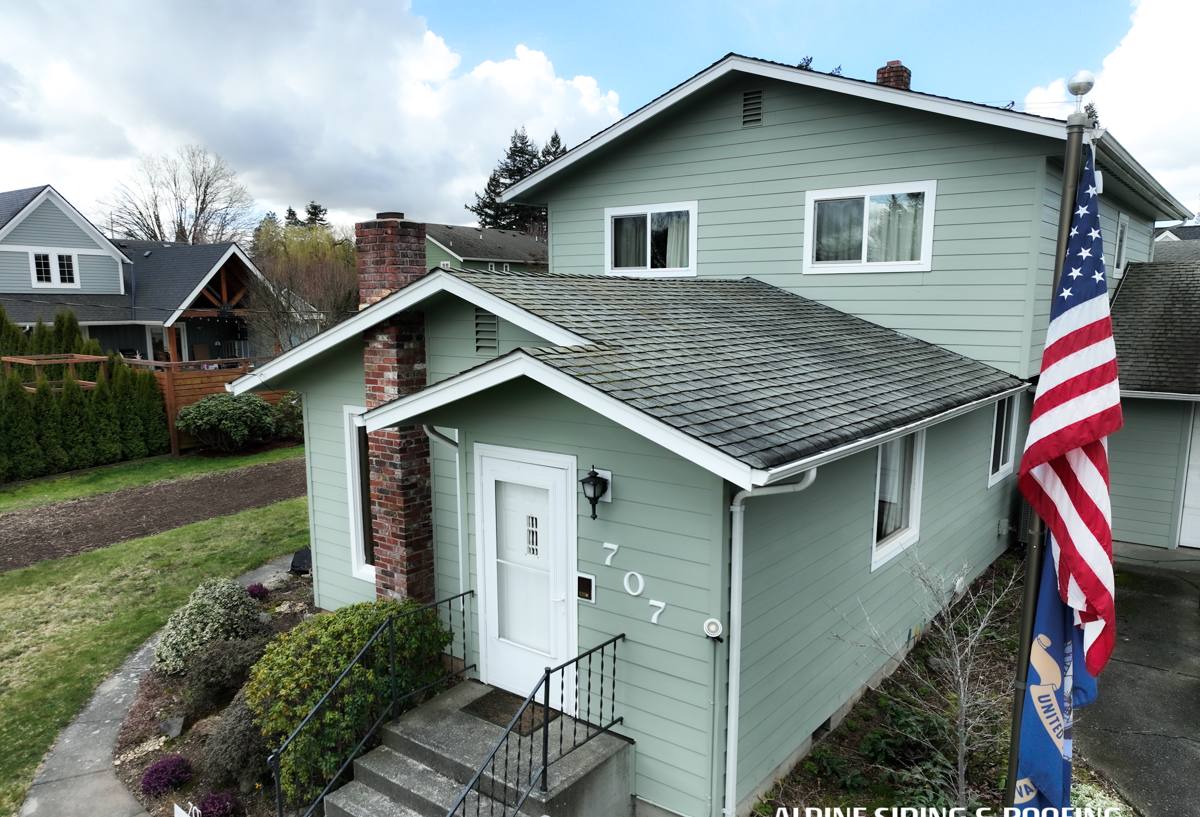
What Correct New Roof Installation Actually Involves
A new roof is more than shingles or panels going down over what's already there. The parts that determine whether a roof lasts its full expected life — and holds up in a real storm — are mostly things you never see once the job is finished.
The Deck Comes First
Once the old roofing is stripped, the plywood or board decking underneath gets inspected board by board. On older Hyde Park homes, it's common to find sections of decking that have softened from years of slow moisture intrusion, or original board sheathing that doesn't meet current fastening requirements. Any compromised decking gets replaced before anything else happens — installing new roofing over a weak deck just hides the problem and shortens the life of everything above it.
Underlayment and Flashing Do the Real Waterproofing
The visible roofing material sheds most of the water. The underlayment and flashing are what stop the rest — the wind-driven rain that gets pushed sideways and upward under normal shingles during a tropical system. A synthetic or self-adhering underlayment, properly lapped and sealed at every penetration, valley, and roof-to-wall transition, is what actually keeps a Tampa attic dry during a real storm rather than a light rain.
Fastening and Wind Rating
Every roofing material has a rated wind resistance that depends entirely on how it's fastened — nail pattern, nail type, and adhesive or clip spacing. Cutting corners here doesn't show up on move-in day; it shows up the first time sustained wind gets under a poorly fastened edge.
Ventilation
A roof deck that can't breathe cooks under Florida sun and traps moisture underneath. Balanced intake and exhaust ventilation extends shingle life, keeps attic temperatures down, and reduces the moisture cycling that causes wood rot in older homes with less attic insulation than newer construction.
Choosing a Roofing Material for a Hillsborough County Home
There isn't one "best" roofing material for Hyde Park — the right choice depends on the home's roof pitch, architectural style, and how long you want to go before the next replacement. Here's how the common options actually compare for this climate.
| Material | Typical Lifespan Here | Wind Performance | Best Fit | Upkeep |
|---|---|---|---|---|
| Architectural asphalt shingle | 20–30 years | Good, with high-wind nailing and rated shingles | Most home styles, moderate budgets | Periodic inspection, moderate |
| Standing seam metal | 40–50+ years | Excellent when properly fastened | Homes wanting long-term, low-maintenance protection | Low |
| Concrete or clay tile | 40–50+ years | Very good; heavy and wind-resistant when installed correctly | Mediterranean and Spanish-style homes common in older Tampa neighborhoods | Low, but repairs require care |
| Basic 3-tab shingle | 15–20 years | Lower wind rating than architectural shingles | Budget-driven projects only | Higher over time |
Tile is worth a specific mention because it's a natural fit for the Mediterranean and Spanish Revival architecture found on quite a few older Hyde Park homes. It's also heavy, which means the structure underneath needs to be verified as capable of carrying that load — something we check before ever recommending it, not after.
Permits, Wind Codes, and Insurance Considerations
Every new roof in Hillsborough County requires a permit and has to meet current Florida Building Code wind and wind-borne debris requirements — regardless of what code the original roof was built to. That matters for an older home more than a newer one, because the gap between "what was legal in the 1940s or 1960s" and "what's required today" can be significant.
It's also worth planning around a wind mitigation inspection once the new roof is in. Insurance carriers in this part of Florida price policies partly based on documented roof age, deck attachment method, and roof-to-wall connections — a properly installed and documented new roof can meaningfully change what a homeowner pays for coverage. We pull permits, schedule inspections, and hand over the documentation a homeowner needs for their insurer without them having to chase it down.
Working Around an Older Neighborhood's Realities
Roofing an established neighborhood like Hyde Park isn't the same job as roofing a new-construction subdivision, logistically speaking.
Tree Canopy and Debris
Mature oak and other tree canopy is part of what gives older Tampa neighborhoods their character, but it also means more organic debris accumulating on roofs, more shaded areas that stay damp longer, and tighter drop zones during tear-off and delivery. We plan material staging and debris removal around what a tree-lined lot actually allows, rather than assuming open subdivision access.
Protecting the Property
Older homes often have mature landscaping, established lawns, and sometimes original architectural features that a careless crew can damage without meaning to. Tarping, magnetic nail sweeps, and careful staging aren't optional extras on a job like this — they're part of doing it correctly the first time.
Matching the Home's Character
Where a roof is visible from the street on a home with real architectural character, material color, profile, and tile or shingle style matter for how the finished job looks, not just how it performs. We talk through those choices before ordering material, not after it's on a truck.
Our New Roof Installation Process
- Inspection and consultation. We assess the current roof, deck condition, ventilation, and any storm or age-related damage, and talk through material options honestly, including trade-offs.
- Written estimate. A clear scope of work and price, with no vague allowances buried in the fine print.
- Permitting. We pull the Hillsborough County permit and handle inspection scheduling.
- Tear-off and deck inspection. Old material comes off, the deck is checked board by board, and any needed repairs are made before anything new goes down.
- Underlayment, flashing, and ventilation. The waterproofing layer and airflow system go in correctly, not just quickly.
- Roofing installation. Material goes down to manufacturer and code-required fastening specs, including high-wind nailing or fastening patterns.
- Final inspection and cleanup. A completed county inspection, a full magnetic sweep for nails, and a walkthrough with the homeowner before we call it done.
Signs a Hyde Park Home Needs a New Roof, Not Another Repair
Not every roofing problem means a full replacement, but a few signs usually point that direction:
- Shingles that are curling, cupping, or missing in multiple areas rather than one isolated spot
- Heavy granule loss showing up in gutters or downspouts
- Soft or spongy spots when walking the roof, indicating deck damage underneath
- Daylight visible through the roof deck from inside the attic
- Interior ceiling stains, especially ones that reappear after every heavy rain
- A roof approaching or past 20–25 years old, regardless of how it looks from the ground
- Visible damage after a named storm or high-wind event
- Rising insurance premiums or a carrier flagging roof age at renewal
If more than one or two of these apply, a repair is usually a short-term patch on a longer-term problem.
Why Local Hyde Park Experience Matters
A crew that regularly works older Tampa neighborhoods already knows what a Hyde Park job usually involves before the ladder goes up — the kind of decking likely under the existing roof, how tight the lot access typically is, what the Hillsborough County permitting and inspection process looks like, and how tree canopy and salt air exposure factor into material choice. That familiarity shows up in fewer surprises mid-project, more accurate estimates up front, and a finished roof that's built for the neighborhood it's actually in rather than a generic specification sheet.
It also means being straightforward about what a home actually needs. Not every older home needs the most expensive material on the market, and not every roof problem needs a full tear-off. Honest recommendations, backed by an inspection rather than a sales script, are what a homeowner should expect from any contractor working on a house this size an investment.
If your Hyde Park home's roof is aging, was damaged in a recent storm, or you're simply trying to plan ahead before it becomes an emergency, we're happy to take a look and give you a straight answer. Use the form below to request a free, no-pressure estimate.