 Tampa Siding
 Board & Batten Siding, Done Right, for Land O' Lakes
Board and batten has become one of the most requested siding looks in the Tampa Bay area, and Land O' Lakes homeowners have been asking for it more than most. The vertical lines read as modern farmhouse on a new build, and as a clean accent-wall upgrade on an older ranch or two-story home. It's a good-looking siding profile — but it's also one of the least forgiving profiles to install badly, because every vertical seam and every batten strip is a place water can get behind the wall if the details aren't right.
We install board and batten in Land O' Lakes regularly, and we do it with one material only: James Hardie fiber cement. This page covers what the local climate demands from a board and batten installation, what the job actually involves, and why the crew you hire matters as much as the product on the truck.
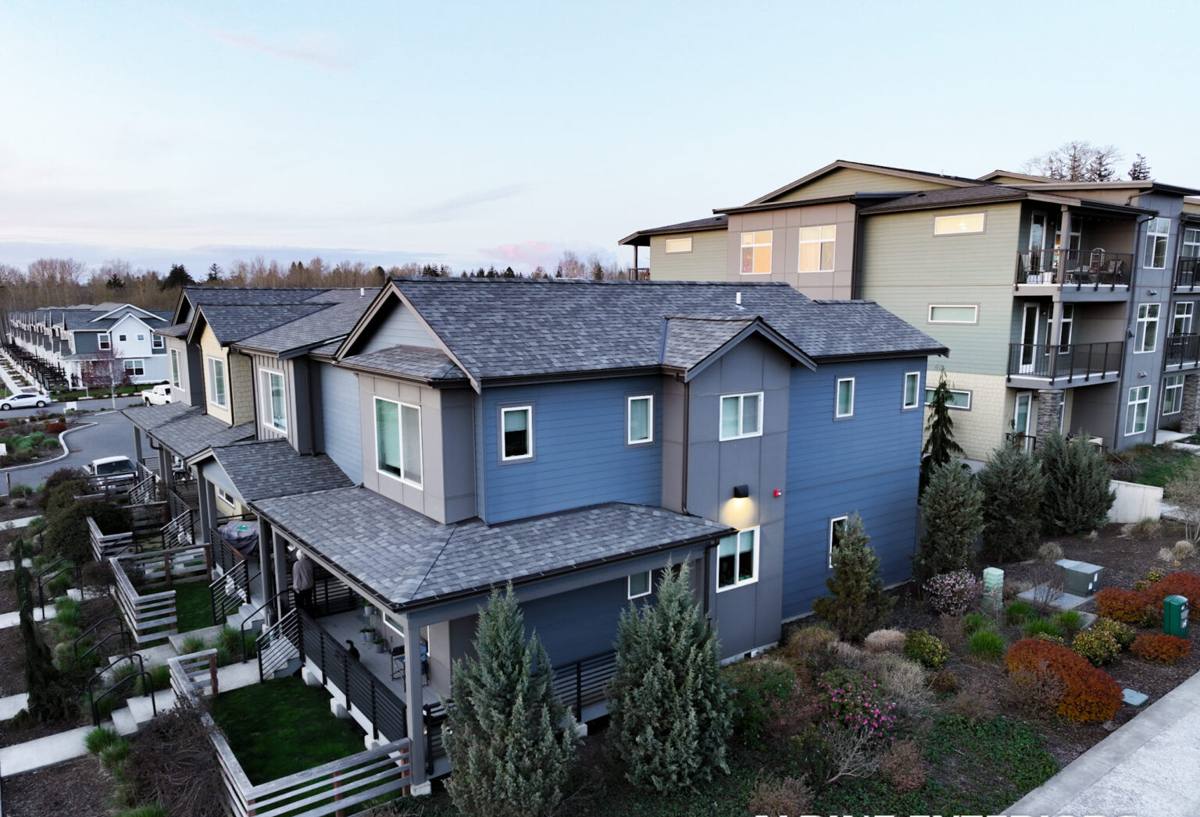
What Land O' Lakes' Climate Does to a Vertical Siding Profile
Land O' Lakes sits inland from Tampa Bay in Pasco County, but "inland" doesn't mean sheltered. The area still sees hurricane-force wind gusts during tropical systems, the same intense year-round UV load as the rest of the Tampa region, and heavy wind-driven summer thunderstorms that come in fast and sideways. The lakes the community is named for also mean higher ambient humidity in low-lying pockets, which keeps siding and trim damp longer after a storm than it would stay in a drier inland location.
Board and batten amplifies all of this in a way flat lap siding doesn't:
- More vertical seams — every joint between panels and every batten strip is a potential water entry point if flashed or caulked wrong.
- More UV exposure per square foot — vertical battens catch direct afternoon sun on south and west elevations, which is where cheap paint jobs and unstable materials fail first.
- Wind load on individual strips — narrow battens have less surface area than a lap board, so fastening pattern and spacing matter more, not less, in gusty conditions.
- Standing moisture at the base — humidity and heavy rain events mean the bottom courses near grade and near landscaping stay wet longer.
None of this means board and batten is a bad choice for this area. It means the installation has to account for these conditions specifically, which is a different job than installing the same profile in a dry, low-wind climate.
What a Correct Board & Batten Installation Involves
Panel System vs. Individual Boards
There are two common approaches to board and batten: a solid vertical panel with battens applied over the seams, or individual narrow boards installed edge to edge with a gap, then battens covering each gap. We use the panel-and-batten approach with James Hardie's engineered vertical panel product and factory-finished battens. Fewer raw seams behind the battens means fewer places for water to find a path into the wall assembly — which matters more here than in a drier climate, because any water that does get behind the cladding has more time to do damage before it evaporates.
Flashing and Water Management
Every horizontal transition — window heads, water tables, roof-to-wall intersections — needs proper flashing behind the siding, not just caulk at the surface. Caulk is a maintenance item that degrades under UV and heat cycling; flashing is a permanent water-diversion path. On a board and batten wall, the top of every batten and every field seam also needs correct lap and sealing so wind-driven rain — the kind that comes in at an angle during a Gulf Coast squall — doesn't get pushed up and under the joint.
Fastening for Wind Resistance
Batten strips are narrower than lap boards, so fastener spacing has to follow manufacturer engineering specs, not general judgment. Under-fastened battens are one of the more common board and batten failures we see on inspection — they look fine for a few years, then start working loose in high wind, which telegraphs as cracked caulk lines and eventually a strip that lifts in a storm.
Ventilation Behind the Cladding
A correctly built wall assembly includes a drainage plane and airflow path behind the siding so any moisture that does get past the outer layer can dry out instead of sitting against the sheathing. This is invisible once the job is done, which is exactly why it's the step that gets skipped by installers trying to save time — and the step most likely to cause a callback years later.
Why We Only Install James Hardie for This Look
Board and batten is offered in vinyl, in engineered wood products like LP SmartSide, and in fiber cement. We understand why vinyl and LP versions are attractive — they're generally less expensive up front and lighter to handle. But we don't install them, and we think Land O' Lakes homeowners deserve a straight explanation of why.
Vinyl board and batten is a thin extruded product that expands and contracts significantly with Florida's heat swings. Over time that movement telegraphs at the battens as visible warping or waviness, especially on sun-exposed elevations, and vinyl has no real fire resistance. Engineered wood products like LP SmartSide use a wood-strand core with a resin-treated surface — a real improvement over old-style OSB siding, but still wood-based, which means any breach in the surface coating (a fastener hole, a cut edge, a damaged corner) creates a path for moisture absorption and swelling in a climate that gives that moisture plenty of opportunity to find those weak points.
James Hardie fiber cement is cement, sand, and cellulose fiber — non-combustible, dimensionally stable across our full temperature range, and manufactured with a factory-applied ColorPlus finish baked on under controlled conditions rather than field-painted. For a profile that lives or dies on tight, clean vertical seams, factory-consistent panels and battens matter. It's the reason we standardized on Hardie and stopped installing anything else.
HardiePanel Vertical Siding and HardieTrim Battens
The system we install pairs Hardie's engineered vertical panel with matching HardieTrim battens, manufactured to the HZ10 formulation designed for Southeast humidity, heat, and moisture exposure. The panels and battens are cut and finished to spec before they reach the wall, so the only variable left on site is workmanship — which is where our crew's experience with this specific profile, on homes in this specific climate, actually shows up.
Comparing Board & Batten Materials
| Material | Typical Lifespan Locally | UV/Fade Resistance | Wind & Moisture Behavior |
|---|---|---|---|
| Vinyl board & batten | 15-20 years before visible warping | Fades and chalks; color baked in but not UV-stable long term | Expands/contracts with heat; can warp on sun-exposed walls |
| Engineered wood (LP SmartSide) | 20-25 years with diligent maintenance | Fair; surface coating needs upkeep | Vulnerable at cut edges and fastener penetrations if coating fails |
| Primed wood/cedar | 10-20 years, heavy maintenance | Requires repainting on a cycle | Prone to swelling, cupping, rot in sustained humidity |
| James Hardie fiber cement | 30+ years to manufacturer spec | ColorPlus factory finish holds color significantly longer than field paint | Non-combustible, dimensionally stable, engineered for hurricane-prone climates |
These are general industry patterns, not guarantees for any individual home — actual performance always depends on installation quality, exposure, and maintenance.
Our Process for a Land O' Lakes Board & Batten Project
Working regularly in this area means we already know the practical details that slow other crews down: typical HOA architectural review requirements in Land O' Lakes' newer planned communities, the permitting process through Pasco County, and how to sequence a job around this area's predictable afternoon thunderstorm pattern so panels aren't sitting exposed when a squall rolls through.
- On-site walk-through to assess current siding, wall condition, and where board and batten will and won't work architecturally (full elevation vs. accent wall or gable).
- Written estimate with product line, finish color, and scope — no surprise change orders for standard conditions.
- Permit pull and, where applicable, HOA documentation handled before crew mobilization.
- Removal of existing siding and inspection of sheathing for hidden moisture damage before anything new goes up.
- Installation of water-resistive barrier, flashing at all penetrations and transitions, then panels and battens per manufacturer fastening spec.
- Final walk-through with the homeowner before we consider the job closed.
Maintenance: What Board & Batten Actually Needs Here
Correctly installed Hardie board and batten is low-maintenance, not no-maintenance. A short seasonal routine goes a long way in this climate:
- Rinse pollen, salt air residue, and grime off with a garden hose or low-pressure wash once or twice a year — avoid high-pressure washers directly at seams and battens.
- Walk the exterior after major storms and check for any lifted or cracked caulk joints at trim and battens.
- Keep irrigation heads and sprinklers from soaking the base of the wall directly.
- Trim landscaping back so foliage isn't holding moisture against the bottom courses.
- Re-caulk transition joints on the manufacturer's recommended cycle — caulk is a maintenance item even on a system built around flashing, not a substitute for it.
What Affects Cost on a Board & Batten Project
Board and batten typically costs somewhat more per square foot than standard lap siding, mainly due to the additional batten material and labor time for the seam and fastening work. Full-elevation versus accent-wall scope is usually the biggest cost driver, followed by how much of the existing wall assembly needs repair once old siding comes off — something that's hard to know precisely until removal begins, which is why we're upfront that an initial estimate can shift if we find sheathing damage underneath.
If you're weighing board and batten for a full Land O' Lakes home or a single accent feature, we're glad to walk the property, give you a straight assessment of what the wall needs, and put together a free, no-pressure estimate.