 Tampa Siding
 Why Decks in Brandon Wear Differently Than Decks Up North
Brandon sits inland from Tampa Bay, but "inland" in Hillsborough County still means year-round humidity, intense UV exposure, and the same wind-driven rain that moves through the whole region during storm season. A deck built the same way you'd build one in Ohio or Pennsylvania simply doesn't hold up the same way here. Wood that would season slowly through four real seasons instead spends most of the year swelling with moisture, drying out under direct sun, then swelling again. That cycle is what actually breaks decks down — not one big event, but thousands of small ones.
Add in salt-tinged air that drifts inland from the Gulf and Bay on a regular basis, and you've got a corrosion problem working alongside the moisture problem. Fasteners, brackets, and connectors that aren't rated for coastal-adjacent conditions start failing years before a homeowner expects them to. Most of the deck repair calls we get in Brandon trace back to one of these two things: wood movement from humidity cycling, or hardware that corroded faster than anyone planned for.
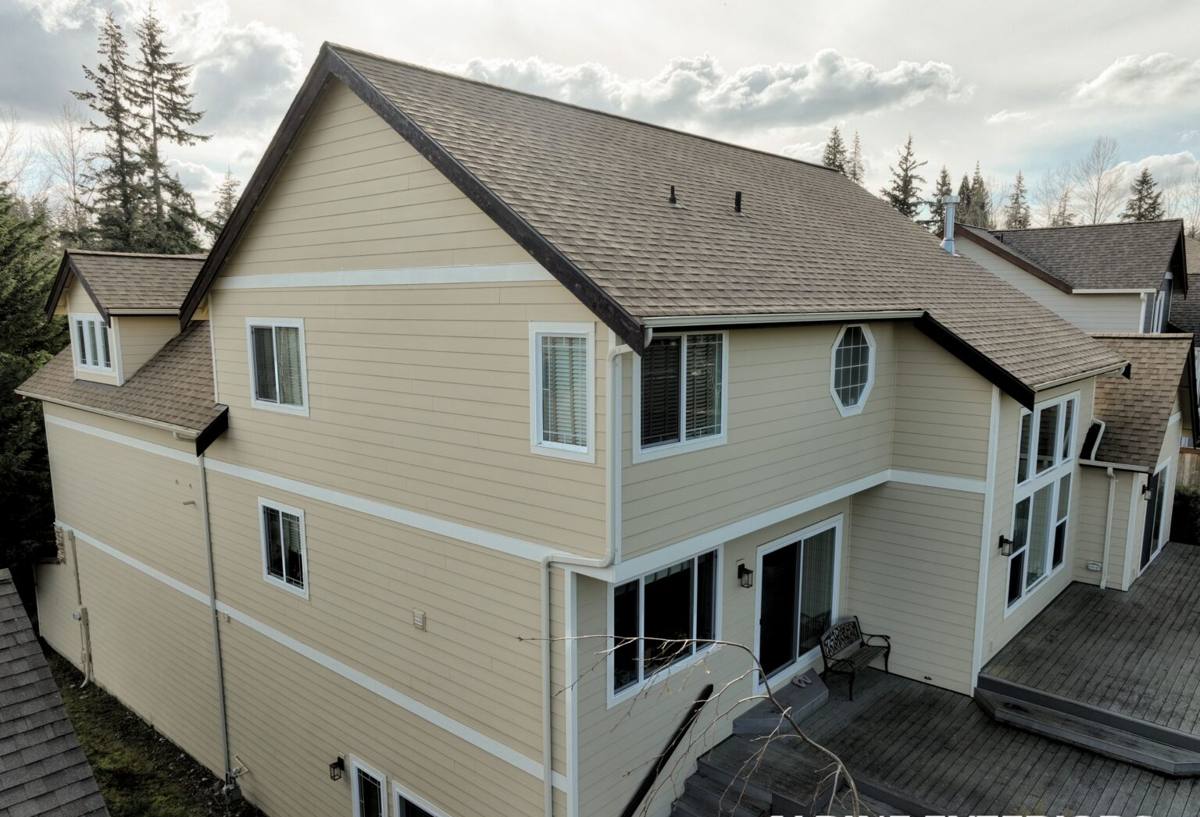
Signs a Deck Needs Repair, Not Just a Cleaning
A lot of deck problems look cosmetic at first — some gray, weathered boards, a little bounce underfoot — and get written off as "it just needs a wash and some stain." Some of that is true. But a few signs mean there's more going on structurally, and they're worth taking seriously before the next big storm tests the deck for you.
- Boards that feel spongy, soft, or flex noticeably when you walk on them
- Visible gaps opening up between deck boards or where the deck meets the house
- Rust streaks bleeding out around screws, bolts, or metal connectors
- A ledger board (where the deck attaches to the house) that looks separated, cracked, or has water staining beneath it
- Railings or posts that wiggle more than they used to
- Any visible splitting, cupping, or checking (long cracks running with the wood grain) on structural members, not just decking boards
Any one of these on its own might be a minor fix. Several together usually mean the deck has been quietly losing structural integrity for a while, and it's worth a real inspection rather than a guess.
The Repairs We Actually See Most Often
Ledger Board and Attachment Point Failures
The ledger board — the piece that bolts the deck to the house — takes on water that runs off the house siding or roof, and in a humid climate that moisture doesn't always dry out between rain events. When flashing was installed poorly (or skipped) at the original build, this is usually the first place we find rot.
Fastener and Hardware Corrosion
Standard hardware wasn't built for constant humidity plus salt air. We regularly find joist hangers, screws, and bolts that have rusted enough to lose holding strength, even when the wood around them still looks fine.
Sun-Damaged and Weathered Decking Boards
Tampa's UV exposure is intense nearly year-round. Wood decking that isn't sealed and re-coated on a reasonable schedule dries out, cups, and splinters. Composite boards resist this better but aren't entirely immune to fading and surface wear over many years.
Post and Railing Instability
Loose or leaning posts are often a sign that the footing below has shifted or that the post base connection has corroded — not something you want to find out the hard way with weight on the railing.
What a Correct Repair Actually Involves
A deck repair done right isn't just swapping out the board that looks worst. It starts with figuring out why that board failed, because if the cause isn't addressed, the replacement board will fail the same way on the same timeline.
| Repair Area | What We Check | Why It Matters in This Climate |
|---|---|---|
| Ledger board & flashing | Water staining, wood softness, flashing condition | Poor flashing lets rain intrusion rot the structural connection to the house |
| Fasteners & hardware | Rust, corrosion, holding strength | Salt air and humidity accelerate metal fatigue faster than inland dry climates |
| Joists & beams | Soft spots, splitting, sagging | These carry the structural load — hidden rot here is the most dangerous kind |
| Footings & posts | Level, secure, no movement | Ground moisture and heavy rain events can shift footings over time |
| Decking surface | Cupping, splintering, fading, board spacing | UV and moisture cycling wear the surface fastest of any component |
Once we know the real cause, the fix might be a board swap, a hardware upgrade, a flashing correction, or in some cases a structural rebuild of one section. We tell you which one it actually is before any work starts.
Wood vs. Composite: What We Recommend When Repairing
If your deck is wood and needs board replacement, you don't always have to replace like-for-like. This is a fair question to raise with your contractor, and the honest answer depends on your priorities.
| Factor | Wood Decking | Composite Decking |
|---|---|---|
| Upfront repair cost | Generally lower | Generally higher |
| Maintenance | Needs regular sealing/staining in this climate | Minimal — occasional cleaning |
| UV & moisture resistance | Moderate; depends on upkeep | Higher, though not immune to fading |
| Appearance over time | Can look great if maintained; weathers if not | Stays more consistent, less "natural" look |
| Best fit | Owners who don't mind seasonal upkeep | Owners who want lower long-term maintenance |
We install and repair both. If your existing deck is wood and mostly sound, we'll usually recommend repairing with matched or comparable wood rather than mixing materials, unless you're specifically looking to reduce future maintenance — in which case swapping the worst sections to composite is worth discussing.
Our Process for a Brandon Deck Repair
- On-site inspection. We walk the full deck, not just the area you called about — hidden problems are common, and a fair assessment covers the whole structure.
- Honest diagnosis. We tell you what's actually wrong, what's driving it, and what happens if it's left alone. If it's a minor fix, we say so.
- Written scope and estimate. You know what's being repaired, what materials and hardware are going in, and roughly what it costs before we start.
- The repair itself. This may include removing and replacing damaged boards or framing, correcting flashing, upgrading hardware to corrosion-resistant fasteners, and re-securing posts or railings.
- Final check. We confirm the deck is solid, level, and safe before we consider the job finished.
Repair or Full Replacement? What Actually Decides It
Homeowners often assume a deck with visible damage needs full replacement. That's not usually true. The real question is how much of the structural framing — the joists, beams, and posts — is still sound. If the framing is solid and it's mainly surface boards, railings, or hardware that have failed, repair is almost always the more sensible route. If the framing itself has widespread rot or the deck was undersized or under-built to begin with, repair can turn into throwing money at a structure that needed rebuilding from the start. A straight assessment before any work begins is the only way to know which situation you're in, and that's what we give you.
Why It Matters That We Already Work in Brandon
Deck repair isn't a one-size-fits-all trade nationally, and it isn't even one-size-fits-all across Florida. A crew that regularly works Brandon and the greater Tampa area already knows what Hillsborough County's humidity and sun exposure do to wood and hardware over time, so we're not guessing at causes — we've seen the same failure patterns on other decks nearby. We also know what tends to hold up here and what doesn't, which saves you from paying for a repair that's just going to fail again on the same timeline. That local pattern recognition is worth more than it sounds like on paper.
Keeping a Repaired Deck in Good Shape
Once a deck is repaired properly, a little regular attention keeps it that way and helps you catch the next issue small instead of large.
- Rinse off pollen, dirt, and salt residue every few weeks, more often near the coast
- Check fasteners and hardware for rust or looseness once or twice a year
- Reseal or restain wood decking on the schedule your product recommends — Florida sun shortens the usual interval
- Watch for standing water after heavy rain; poor drainage under or around the deck accelerates rot
- Trim back vegetation that keeps boards shaded and damp longer than the rest of the deck
- Walk the deck periodically and note any new softness, movement, or gaps
If you're seeing any of the warning signs above, or you just want an honest read on a deck's condition before it becomes a bigger problem, we're happy to take a look. Fill out the form below for a free, no-pressure estimate — we'll tell you straight what's going on and what it would take to fix it.