 Tampa Siding
 Building a Deck That Actually Holds Up in Carrollwood
Carrollwood's tree canopy and older, established lots make it one of the more attractive parts of the Tampa area for outdoor living — but that same mature landscape, combined with Hillsborough County's climate, is exactly what wears a poorly built deck down fast. A deck that would last decades in a drier, milder climate can start showing rot, fastener corrosion, and surface damage within a few years here if it wasn't designed and built for this environment from the start. We build decks for Carrollwood homeowners with that reality in mind, not as an afterthought.
This page covers what a deck actually needs to survive and perform well in Carrollwood specifically — the material decisions, the structural details, and the build process — so you know what to look for whether you hire us or anyone else.
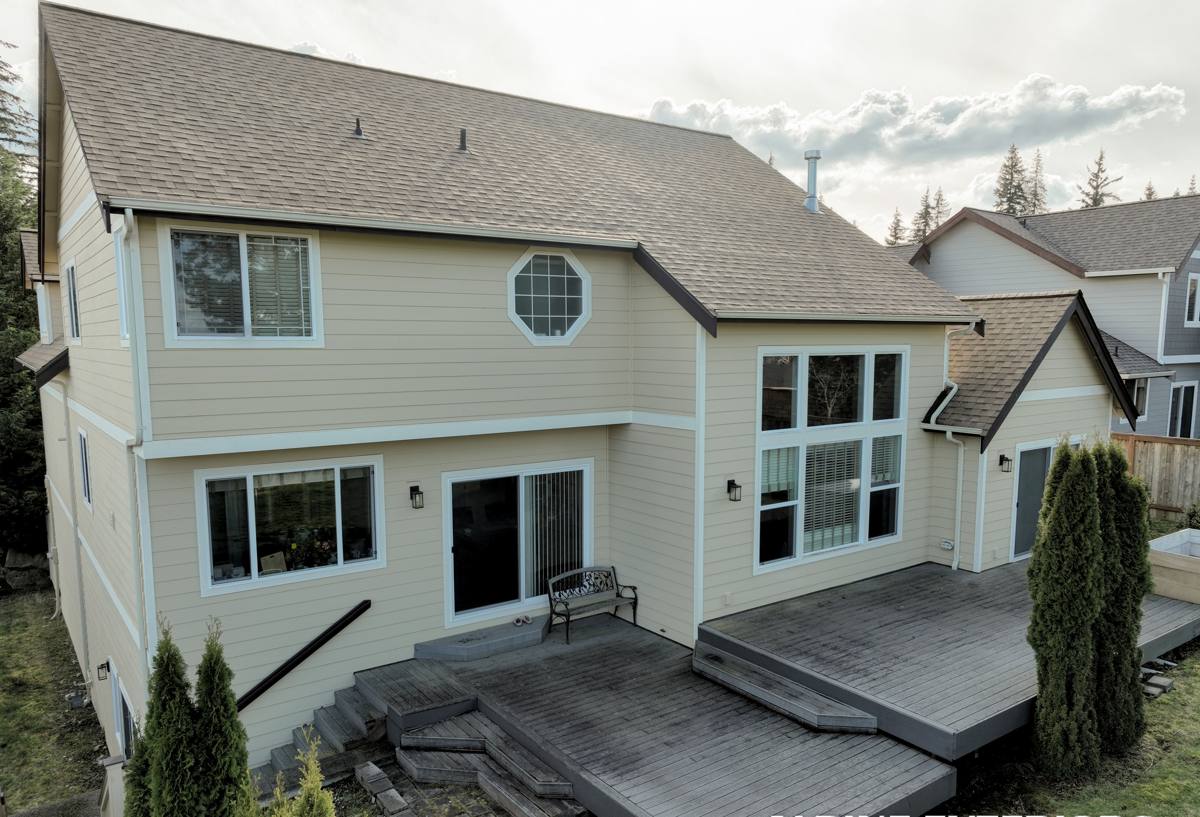
What Tampa's Climate Actually Does to a Deck
It's worth being specific about the stresses at play, because they're not the same ones a deck builder in a cooler, drier state has to plan around.
Intense, Year-Round UV
Tampa doesn't get a real winter break from sun exposure. UV breaks down the lignin in wood fibers, fades finishes, and dries out sealants faster than in most of the country. A deck finished once and forgotten will show graying, checking, and surface roughness well before it would in a northern climate.
Wind-Driven Rain and Humidity
Afternoon storms push rain sideways into structures, not just straight down. That means end grain, fastener heads, and any horizontal ledger-to-house connection get wet far more often than a simple rainfall estimate would suggest. Combined with Hillsborough County's humidity, wood that isn't detailed to shed and dry quickly stays damp longer, which is the single biggest driver of rot and fungal decay in local decks.
Hurricane-Force Wind Loads
Deck framing here has to be designed for uplift and lateral load, not just the static weight of people and furniture. Ledger attachment, post bases, and joist hangers all need to be rated and installed for wind conditions the local code actually anticipates — this isn't optional detailing, it's the difference between a deck that stays put and one that racks or separates from the house in a bad storm.
Salt Air Influence
Carrollwood is inland, but Tampa Bay's salt air still reaches this far and accelerates corrosion on standard fasteners and connectors over time. Hardware rated for coastal or salt-exposed environments costs a little more up front and saves you from hidden corrosion failures a decade in.
Choosing the Right Deck Material for This Climate
There's no single "best" decking material — the right choice depends on your budget, how much upkeep you want to do, and how the deck will be used. Here's how the common options actually perform in a Carrollwood backyard.
| Material | Upfront Cost | Maintenance | How It Handles Tampa Climate |
|---|---|---|---|
| Pressure-treated pine | Lowest | Annual sealing recommended | Affordable and structurally solid, but needs consistent resealing to resist humidity and UV; skipped maintenance shortens lifespan noticeably |
| Composite decking | Mid to high | Occasional washing, no sealing | Resists rot and UV fading well when it's a quality cap-stock product; surface stays cooler and more stable in constant sun than lower-grade composites |
| PVC decking | Highest | Very low | Fully resists moisture absorption, a real advantage with wind-driven rain; higher cost but essentially maintenance-free |
| Tropical hardwoods (e.g., ipe) | High | Periodic oiling to maintain color | Naturally dense and rot-resistant, handles humidity well, but requires disciplined maintenance to keep from graying and needs precise fastening due to density |
We'll talk through this trade-off honestly during your estimate rather than pushing whatever has the best margin — a lot of it comes down to whether you'd rather pay more once or spend a weekend a year maintaining it.
The Structural Details That Actually Matter
Decking material is the part homeowners see. The structure underneath is the part that determines whether the deck is safe and long-lived, and it's where we spend the most attention.
Ledger Attachment
If your deck attaches to the house, that ledger connection is carrying real load and needs proper flashing to keep water from getting behind it and into your home's structure — this is one of the most common failure points on older decks we're asked to inspect or rebuild.
Footings and Posts
Footing depth and post spacing need to match Hillsborough County's soil and wind load requirements, not a generic rule of thumb. Undersized or shallow footings are a common shortcut on lower-bid decks and one of the first things that shows up as movement or sagging.
Fasteners and Connectors
Every joist hanger, post base, and screw should be rated for the decking material and exposure conditions — mixing standard hardware with treated lumber, for example, can cause accelerated corrosion from the chemicals in the treatment itself. We match hardware to material, every time.
Ventilation Underneath
A deck with poor airflow underneath traps moisture against the framing. Proper joist spacing and, where relevant, gapping of boards keeps air moving so wood dries out between rain events instead of staying damp.
Our Deck Building Process
- On-site assessment: We look at your yard's drainage, sun exposure, tree cover, and how the deck will connect to your home before recommending a design.
- Design and material selection: We walk through material trade-offs against your budget and maintenance preference, and finalize a layout that fits how you'll actually use the space.
- Permitting: We handle the permit process with Hillsborough County so the structure is inspected and code-compliant, which also protects you at resale.
- Footings and framing: Footings are set to proper depth, framing is built with wind- and moisture-rated hardware, and the ledger connection (if applicable) is properly flashed.
- Decking installation: Boards or planks are installed with correct spacing for drainage and material expansion, factoring in Tampa's heat-driven expansion and contraction cycles.
- Railing, stairs, and finish work: Final structural and cosmetic elements are installed and checked for level, secure attachment, and code compliance.
- Final walkthrough: We go over care and maintenance specific to the material you chose, so you know what upkeep actually looks like going forward.
Common Mistakes We See on Older or Lower-Bid Decks
A lot of the deck repair and replacement calls we get in the Carrollwood area trace back to a handful of recurring shortcuts. Watch for these when evaluating any contractor's work, including ours:
- Ledger boards attached without proper flashing, letting water track into the house rim joist
- Standard (non-rated) fasteners used with chemically treated lumber, causing hidden corrosion
- Footings poured too shallow or spaced too far apart for the actual load and soil conditions
- Decking boards installed tight with no gap, so they can't drain or expand properly in the heat
- No ventilation gap between the deck framing and the ground or house, trapping moisture
- Skipped permits, which can create problems at resale or with insurance claims later
Maintenance That Actually Extends Deck Life Here
Whatever material you choose, a few habits matter more in this climate than elsewhere:
- Inspect fasteners and connectors annually for corrosion, especially after storm season
- Clean debris out from between boards and from underneath the deck to keep airflow open
- Reseal or refinish wood decking on the schedule the product actually needs here — often more frequently than the label's generic recommendation, given the UV load
- Check the ledger flashing periodically for gaps or damage where it meets the house siding
- Address any soft spots, discoloration, or fastener staining early, before it spreads
Why a Crew That Already Works Carrollwood Matters
Deck building isn't one-size-fits-all across Florida, let alone across the country. A crew that regularly works in Carrollwood already knows how Hillsborough County's permitting process runs, what soil and drainage conditions typically look like on established lots in this area, and which materials actually hold up under the specific combination of sun, storms, and humidity found here rather than a generic coastal or southern climate. That local repetition means fewer surprises during the build and a structure that's designed for the conditions it will actually face, not a best guess.
It also means faster response if something needs attention after the fact — warranty service, a post-storm inspection, or a maintenance question — from a crew that's a short drive away and already familiar with your property type.
Get a Straight Answer on Your Deck Project
If you're planning a new deck or replacing one that's showing its age, we're happy to take a look and walk you through what your yard, budget, and maintenance preferences actually call for — no pressure, no upsell. Use the form below to request a free estimate for your Carrollwood deck project.