 Tampa Siding
 Carrollwood sits inland from Tampa Bay, but "inland" doesn't mean sheltered — Hillsborough County still sits squarely in a hurricane-impact zone, and every window on a new build here has to be selected and installed with that in mind from day one. New construction gives you an advantage you don't get on a retrofit: the wall assembly is open, the rough openings are being framed to spec, and there's no old flashing or rotted sill to work around. That advantage only pays off if the window package and the installation sequence are handled correctly the first time, because once the exterior finish goes on, most of what makes a window installation right or wrong is buried behind it.
We install new-construction windows on homes and additions throughout Carrollwood and the surrounding Tampa area, working directly with builders, general contractors, and homeowners managing their own build. This page covers what that work actually involves here — not a generic installation overview, but what matters specifically for a new-construction window package going into a Hillsborough County build.
Why New-Construction Windows Are a Different Job Than Replacement
New-construction windows have a nailing flange around the perimeter of the frame, designed to be fastened directly to the wall sheathing before the house wrap and exterior finish go on. That's different from a replacement or "pocket" window, which is built to slide into an existing frame without disturbing the surrounding wall. The flange is what lets a new-construction window integrate into the drainage plane the way it's supposed to — but it only works if the flashing sequence around it is done correctly, in the right order, before the next layer of the wall goes on.
On a new build, we're not fighting old caulk, settled framing, or a rough opening that's out of square from decades of movement. That's the upside. The trade-off is there's no room to get the sequence wrong, because covering a mistake with siding or stucco doesn't fix it — it just hides it until it shows up as a leak years later.
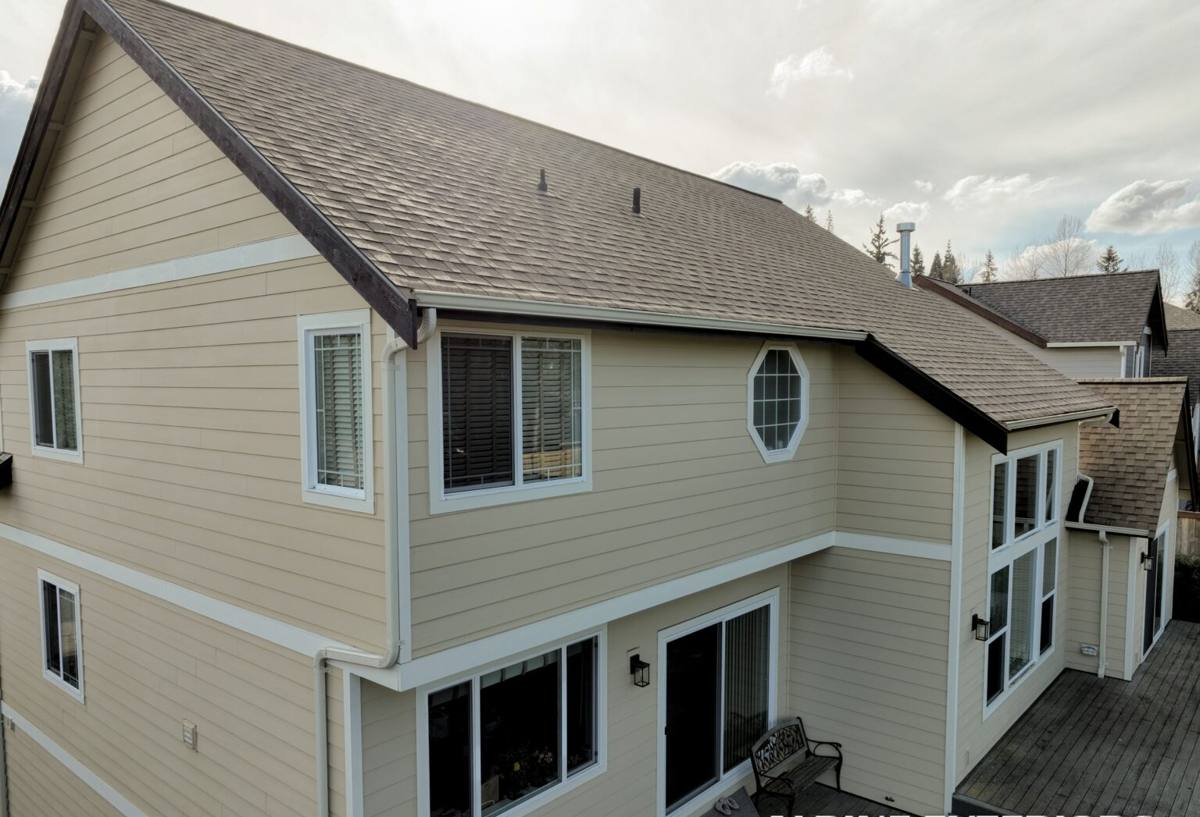
What Carrollwood's Climate Demands From a New-Construction Window
Tampa's exposure shapes every decision on this job, and Carrollwood is no exception even sitting away from the immediate coastline. Four factors drive the spec:
Hurricane-Force Wind
Hillsborough County building code requires windows in most of this area to meet impact or wind-load standards tied to the county's wind zone, and that requirement gets enforced at permit and inspection on new construction. The window's design pressure rating, and in many cases impact-resistant glass or an approved shutter system, has to match what the local code official requires for the specific site and structure height. This isn't optional on a new build — it's checked before you get a certificate of occupancy.
Year-Round UV
Florida sun is a daily load, not a seasonal one. Low-E glass coatings and UV-stabilized frame materials matter here more than they would in a milder climate, because vinyl and sealants that aren't rated for sustained UV exposure degrade faster — frames can discolor or become brittle, and gaskets can harden and lose their seal years ahead of schedule.
Wind-Driven Rain
Tampa's storms don't drop rain straight down. Wind pushes it sideways into wall assemblies, which is exactly the condition flashing is designed to handle — but only if the flashing is lapped and sequenced correctly relative to the house wrap and window flange. A new-construction window's flange is a drainage tool, not just a fastening surface, and it has to be integrated into the water-resistive barrier in the right shingle-lap order.
Salt Air
Carrollwood is far enough inland that salt exposure is lighter than it is on the immediate coast, but Tampa Bay's proximity and prevailing winds still carry some salt-laden air into this part of the county. It's a slower corrosion factor here than in a beachfront neighborhood, but it's still a reason we favor hardware and fasteners rated for coastal or near-coastal exposure rather than standard interior-grade components.
What a Correct New-Construction Window Installation Involves
Rough Opening Verification
Even on new framing, we verify every rough opening for size, square, and level before a window goes anywhere near it. Framing crews are working fast and covering a lot of openings — catching a slightly out-of-square opening now costs a few minutes; catching it after the window is set and flashed costs a callback.
House Wrap and Flashing Sequence
This is where a new-construction install lives or dies. The water-resistive barrier (house wrap) gets cut and folded into the opening before the window is set, sill flashing goes down first, the window is set into the opening on a proper sealant bed, and then the flange gets taped or flashed at the jambs and head in a strict shingle-lap order — each layer overlapping the one below it so water is always directed outward and down, never trapped behind the next layer. Skipping or reversing any step in that order is the single most common cause of a hidden leak behind new-construction siding or stucco.
Fastening and Sealant
The flange gets fastened per the manufacturer's schedule, and sealant goes at specific points in the assembly — not slathered everywhere as a substitute for correct flashing. Over-reliance on caulk instead of proper flashing is a shortcut that looks fine at final walkthrough and fails quietly a few years later.
Impact and Wind-Load Compliance
We confirm the window's design pressure and impact rating match what Hillsborough County requires for the specific structure before it's ordered, not after. Getting this wrong on a new build means a failed inspection and a window that has to come back out.
Interior and Exterior Trim Coordination
New construction gives us the chance to plan trim, siding, and stucco terminations around the window before those finishes go on, so the reveal lines and drainage details are clean and consistent across the whole elevation instead of patched around an installed window after the fact.
Practical Checklist for a New-Construction Window Package
- Confirm the window's design pressure and impact rating are matched to your specific Hillsborough County wind zone and structure height
- Verify the flashing sequence follows correct shingle-lap order — sill first, then jambs, then head
- Confirm hardware and fasteners are rated for coastal or near-coastal exposure, not standard interior grade
- Ask whether Low-E glass and UV-stabilized frame materials are included in the base spec or an upgrade
- Get rough opening sizes confirmed against the window schedule before openings are framed, to avoid field modifications
- Confirm who is responsible for house wrap integration — the window installer, the framer, or a separate crew — so nothing falls through the gap between trades
Frame Material Choices for New Construction in This Climate
Frame material is a bigger decision on new construction than on a one-off replacement, because you're setting the standard for the whole house at once. We'll walk through the honest trade-offs for your project rather than defaulting to whatever installs fastest.
| Frame Material | UV / Heat Performance | Maintenance | Typical Fit |
|---|---|---|---|
| Vinyl | Good when UV-stabilized; lower-grade vinyl can discolor or warp under sustained Florida sun | Low — no painting, occasional cleaning | Most common choice for standard new-construction budgets |
| Fiberglass | Excellent — dimensionally stable, holds paint and color well under heat and UV | Low | Homes wanting a higher-end finish or larger openings |
| Aluminum | Strong under wind load; conducts heat, so thermal performance depends on the break design | Low, but can show wear at coastal-adjacent hardware over time | Impact-rated and large-format openings, storefront-style glazing |
| Wood / wood-clad | Interior wood look with an exterior clad finish; the clad layer carries the weather load | Higher — exposed wood needs upkeep; clad exteriors reduce this | Homes prioritizing interior appearance over lowest-maintenance exterior |
For most new builds in Carrollwood, we lean toward vinyl or fiberglass frames with impact-rated glass on wind-exposed elevations, because they hold up to sustained heat and UV with the least ongoing upkeep. Where a homeowner wants a wood interior look, we'll spec a clad exterior rather than exposed wood facing the weather side of the house.
Our Process, Start to Finish
- Plan review — we review the window schedule, rough opening sizes, and county wind-zone requirements before anything is ordered
- Product selection — matching frame material, glass package, and impact/wind-load rating to the code requirement and the homeowner's priorities
- Rough opening verification — checking every opening for size, square, and level as framing is completed
- House wrap and flashing — installing the water-resistive barrier and flashing sequence in correct shingle-lap order before the window is set
- Window setting and fastening — setting each unit level and plumb, fastening the flange per the manufacturer's schedule
- Sealant and final flashing — sealing at the specified points and completing head flashing before house wrap continues over it
- Inspection coordination — working with the builder and county inspector so the window package passes on schedule
Cost Factors on a New-Construction Window Package
We won't quote a whole-house window package without seeing the plans, but the factors that consistently move price are:
- Number and size of openings across the plan
- Impact-rated glass versus standard glass paired with an approved shutter system
- Frame material — vinyl, fiberglass, aluminum, or wood-clad
- Glass package — standard dual-pane versus upgraded Low-E or solar-control coatings
- Complexity of the elevation — large-format openings, corner windows, or non-standard shapes add labor and flashing detail
- Coordination requirements — how many trades the installation has to sequence around (framers, house wrap crew, stucco or siding crew)
Why a Local Tampa Crew Matters on New Construction
Manufacturer flashing diagrams are written as a general reference, not a Hillsborough County-specific instruction sheet. The wind-load and impact requirements enforced on new construction here, the way house wrap needs to be sequenced against Tampa's wind-driven rain, and the UV-stabilized materials that hold up to a full Florida summer are all things a crew learns from doing this work locally, not from reading a spec sheet once.
A crew that already works Carrollwood and the surrounding Tampa area knows which inspectors check which details, how to sequence flashing around the trades that come before and after window installation on a typical local build schedule, and where an extra few minutes on the flashing lap order is worth it even when a shortcut would technically still look fine at closing. Those are the decisions that determine whether a new-construction window package is still performing dry and tight in fifteen years, or showing hidden leaks behind the siding in five.
What to Ask a Contractor Before They Handle Your New-Construction Windows
- Ask how they sequence house wrap and flashing relative to window installation, step by step
- Confirm they're familiar with current Hillsborough County wind-zone and impact requirements for your specific site
- Ask how they coordinate scheduling with your framer, house wrap crew, and siding or stucco crew
- Confirm current Florida contractor licensing and insurance
- Ask what's covered under warranty — the window unit, the flashing and installation labor, and how those two are documented separately
If you're planning window installation for new construction or an addition in Carrollwood, it's worth having a local crew review your plans and rough opening schedule before the windows are ordered. We offer free, no-pressure estimates for new-construction window packages in Carrollwood and the greater Tampa area — use the form below to get a time on the schedule.