 Tampa Siding
 Storm Damage Roofing in Carrollwood: A Different Kind of Roof Problem
Carrollwood sits inland from Tampa Bay, but that doesn't mean the roofs here get an easier ride. This is one of the more established residential areas in Hillsborough County, with a lot of homes built from the 1960s through the 1980s sitting under heavy, mature oak canopy and near the neighborhood's lakes. That combination — older roof decking, big trees, and open water nearby — creates its own storm damage pattern, and it's different from what we see on a brand-new subdivision roof on the other side of town.
When wind and rain move through Carrollwood, the damage usually shows up in a few predictable places: shingles lifted or torn near ridges and edges, granule loss from wind-driven rain hitting the same slopes over and over, and impact damage from falling limbs and debris pulled off those big canopy trees. On older homes, the roof deck underneath has often already taken decades of Florida heat cycling, so what looks like a small storm repair can turn into a bigger conversation about what's underneath the shingles.
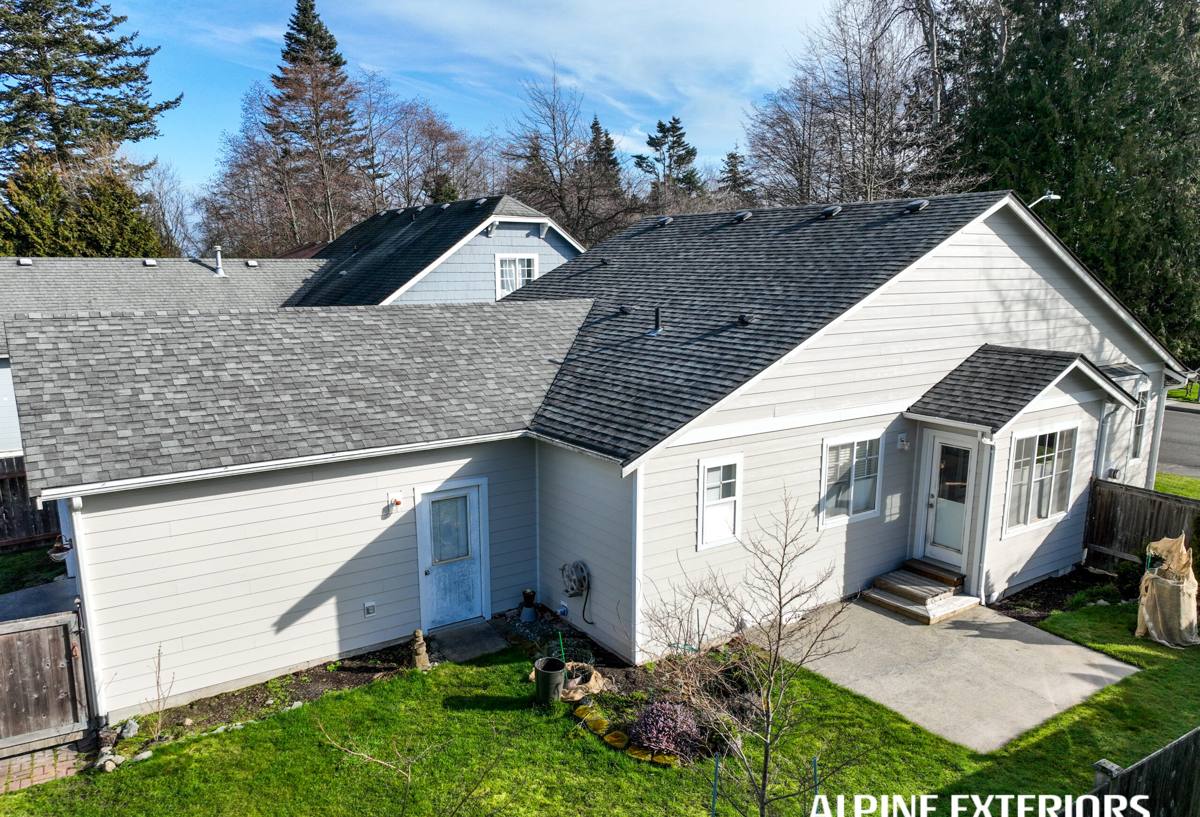
What Tampa-Area Storms Actually Do to a Roof
Hillsborough County sees a wide range of storm activity every year — spring severe weather, summer thunderstorm cells that build almost daily, and the annual threat of tropical systems and hurricanes. Each type stresses a roof differently:
- High wind: gets up under shingle tabs and flashing edges, working them loose even when nothing looks obviously "broken" from the ground.
- Wind-driven rain: pushes water sideways and uphill under shingles and around penetrations — chimneys, vents, skylights — where a normal rain would just run off.
- Hail and impact debris: bruises or punctures shingles and can crack tile, especially where limbs come down during a squall.
- Year-round UV and heat: bakes shingles and sealant strips between storms, so a roof that's already sun-damaged fails faster in the next wind event than a younger roof would.
Salt-laden air off Tampa Bay also plays a role region-wide, accelerating corrosion on exposed metal — flashing, fasteners, vent stacks — even at Carrollwood's inland distance from the water. It's a slower effect than direct storm damage, but it's part of why the same repair that holds up fine in a drier inland climate can fail sooner here if it's not done with the right materials and sealing.
Signs Your Carrollwood Roof Has Storm Damage
Storm damage isn't always dramatic. Plenty of the roofs we're called out to look at after a storm show no obvious hole or missing section from the driveway — the damage is more subtle, and it gets worse the longer it sits. Here's what we recommend homeowners check for after any significant wind or rain event:
- Shingles that look curled, lifted at the edges, or creased, especially along ridges and rake edges
- Bare or shiny patches where granules have been stripped off, often visible in gutters or downspout runoff as gritty sediment
- Cracked, dented, or displaced shingles or tiles, particularly under or near overhanging tree limbs
- Water stains on interior ceilings or in the attic, even faint ones — a sign water is finding a path through somewhere
- Soft spots when walking the roof, which can mean the decking underneath has absorbed moisture
- Gaps or lifted flashing around chimneys, skylights, vent pipes, or where a roof meets a wall
- Debris, small limbs, or leaf buildup pooling in valleys, which traps moisture against the roofing material
If you see any of these after a storm, it's worth getting it looked at promptly. A small area of exposed decking left through a few more rain events turns into a rot repair, not just a shingle repair.
Doing the Repair Right, Not Just Patching It
A storm repair that's done correctly starts with figuring out how far the damage actually extends, not just covering the spot that's visible from the ground. We pull back shingles around the damaged area to check the underlayment and decking, because wind-driven rain often travels further under the roofing material than the surface damage suggests. If we only replace what's visibly broken and the decking underneath is already wet or soft, the repair won't hold.
What a proper storm repair includes
- Removing damaged shingles or tiles back to sound material, not just the exact damaged spot
- Inspecting and replacing any wet, delaminated, or soft decking before new roofing goes down
- Replacing underlayment in the repaired section so there's a continuous water barrier, not a patch on top of old felt
- Re-securing or replacing flashing around penetrations, since flashing failure is one of the most common causes of repeat leaks
- Matching shingle or tile color and profile as closely as possible so the repair blends with the surrounding roof
- Sealing and fastening to current wind-resistance standards, not just how the original section was installed decades ago
Matching materials on an older Carrollwood roof can take some searching, since manufacturers discontinue colors and profiles over time. We'll tell you upfront if an exact match isn't realistic and what the closest reasonable option looks like, rather than promising a seamless blend we can't deliver.
Our Storm Damage Repair Process
- Inspection: We walk the roof and attic, document the damage with photos, and identify whether this is a contained repair or something that points to a larger issue.
- Written scope and estimate: You get a clear breakdown of what needs to be replaced, why, and what it costs — no vague line items.
- Temporary protection if needed: If there's active exposure to the interior, we can get a tarp or dry-in protection on the same visit to stop further water intrusion while the repair is scheduled.
- Repair: Decking, underlayment, flashing, and roofing material are replaced as needed, following the steps above.
- Final check: We inspect the completed repair and the surrounding roof area for any other developing issues before we consider the job done.
Repair or Replace? How We Help You Decide
Not every storm-damaged roof needs a full replacement, and not every roof is a good candidate for another patch repair. The right call depends on the roof's age, how widespread the damage is, and what condition the rest of the roof is in.
| Factor | Leans toward repair | Leans toward replacement |
|---|---|---|
| Roof age | Under 12-15 years, in otherwise good shape | Nearing or past its expected service life |
| Extent of damage | Isolated to one section or slope | Scattered damage across multiple areas of the roof |
| Decking condition | Solid, dry decking found once opened up | Widespread soft or rotted decking |
| Prior repair history | First significant repair needed | Multiple past patches already on the roof |
| Insurance situation | Claim covers targeted repair scope | Adjuster and inspection findings support full replacement |
We'll always tell you honestly which side of that table your roof falls on. A repair that's likely to need another repair in a year isn't doing you any favors, and a full replacement isn't something we recommend just because it's a bigger job.
Working With Your Insurance Company
Storm damage repairs in this area often involve an insurance claim, and we're used to working alongside that process. We can provide the documentation, photos, and written scope your adjuster will want to see, and we're glad to walk the roof with an adjuster if that's helpful. We're not a public adjuster and we don't handle the claim itself — that's between you and your insurer — but we won't leave you guessing about what the damage actually is or what it will take to fix it correctly.
A note on timing
Most policies require damage to be reported within a limited window, and insurers scrutinize claims filed long after a storm more closely. Getting an inspection soon after a wind or rain event — even if the damage looks minor — puts you in a much better position if you do need to file.
Why It Matters That We Already Work in Carrollwood
A crew that already works this neighborhood knows what to expect before they get on the roof. That means knowing the roof ages and construction typical to Carrollwood's older sections, understanding how the tree canopy and lakefront lots around here affect where damage tends to concentrate, and being familiar with Hillsborough County's permitting requirements so a repair doesn't stall out on paperwork. It also means we're not learning the neighborhood on your dime — we can move faster from inspection to repair because we're not starting from zero.
After a widespread storm event, response time matters. Crews unfamiliar with the area are often working from a list of unfamiliar addresses and navigating county permitting for the first time. A local crew already has that groundwork done, which generally means less time between your call and a tarp or repair getting done.
Keeping a Storm-Repaired Roof in Good Shape
Once a repair is complete, a little regular attention goes a long way in this climate. Keep gutters and valleys clear of the leaf litter that mature oak trees drop year-round, since trapped debris holds moisture against the roof. Have limbs trimmed back that overhang the roofline, since even non-storm wind can cause repeat abrasion or impact damage. And it's worth having the roof looked at after any named storm or significant wind event, even if nothing looks wrong from the ground — catching a small issue early is a lot cheaper than repairing water damage that's had months to spread.
If you're dealing with storm damage on a Carrollwood roof, or you just want an honest inspection after a recent storm, we're happy to take a look. Use the form below to request a free, no-pressure estimate and we'll get back to you to schedule a time.