 Tampa Siding
 Siding Replacement Built for Wesley Chapel's Growth and Climate
Wesley Chapel has grown faster than almost anywhere in the greater Tampa Bay area over the past two decades, and that growth shows in the housing stock: a mix of new-construction homes still under their original builder-grade siding, and first-generation houses from the early boom years that are now old enough to need a real replacement, not another patch job. Whichever category your home falls into, the siding on it is doing constant work against a subtropical climate that doesn't let up — long stretches of intense UV, heavy summer humidity, wind-driven rain from afternoon storms, and the real possibility of hurricane-force gusts during the season. Siding replacement out here isn't a cosmetic project. It's a functional upgrade to how well your home sheds water and holds up to wind.
We install siding across the Tampa Bay region, and Wesley Chapel work has its own rhythm: a lot of HOA-governed communities, a lot of two-story homes with more exposed wall area than older single-story neighborhoods, and a building mix where the original siding often wasn't specified with this climate's long-term demands in mind. A correct replacement accounts for all of that.
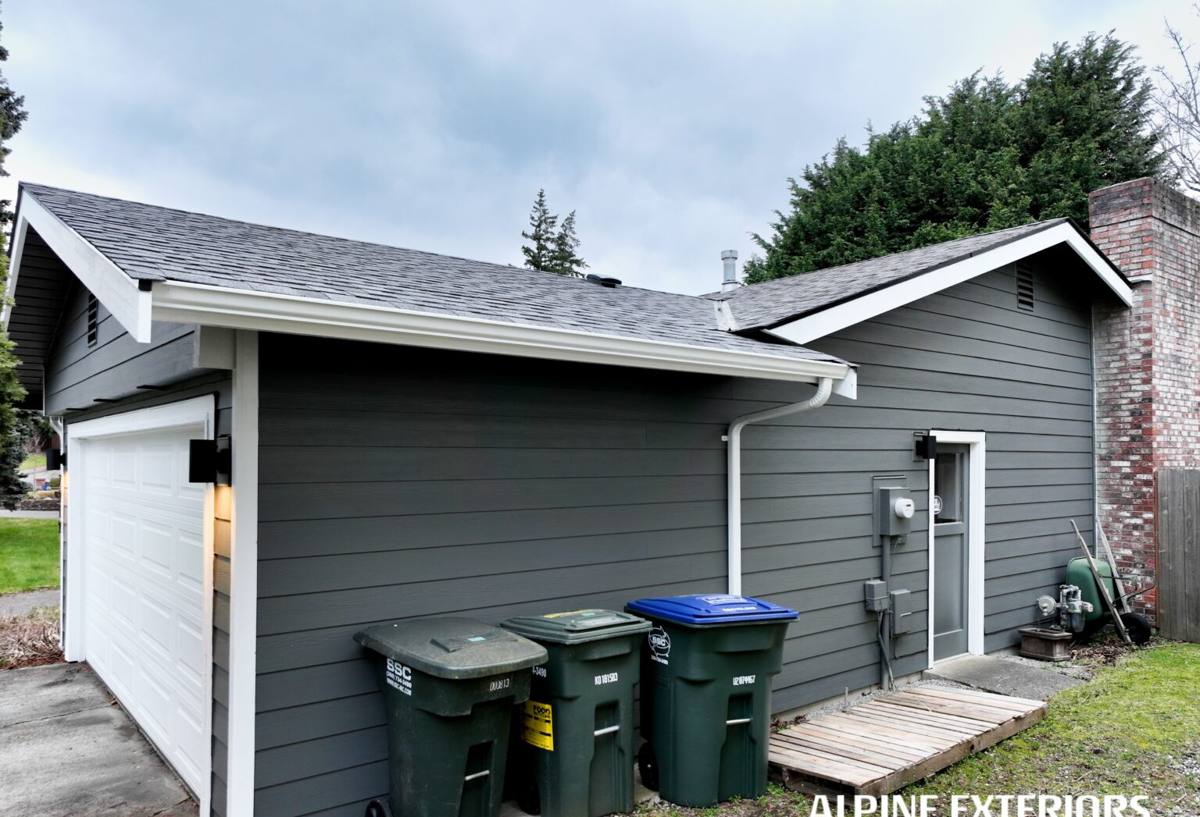
Signs a Wesley Chapel Home Needs Full Replacement, Not a Patch
Homeowners often call us after noticing one visible problem — a soft spot, a stain, a section that's pulling away — without realizing it's a symptom of something happening across the whole wall system. Here's what typically signals it's time for full replacement rather than a repair:
- Soft, spongy, or crumbling siding when pressed, especially near the bottom edges and around window and door trim
- Visible warping, buckling, or panels that no longer sit flat against the wall
- Paint that won't hold — repeated peeling or blistering within a year or two of repainting
- Cracking or splitting that follows a pattern across multiple panels rather than one isolated spot
- Rising utility bills paired with drafts, which often points to a compromised weather barrier behind the siding
- Visible gaps at seams, corners, or trim where caulking has failed repeatedly
- Interior signs — musty smells, discoloration on interior walls near exterior corners — that suggest moisture is already getting past the siding
Any one of these on its own might be repairable. Several at once, or damage that's spread across more than a small section of wall, usually means the underlying material or installation has reached the end of its useful life and a full replacement is the more honest recommendation.
Why This Matters More in a Storm-Exposed Suburb
Wesley Chapel sits far enough inland to avoid direct coastal salt exposure, but it's squarely in the path of the same tropical systems and seasonal downpours that hit the rest of the Tampa Bay region. Wind-driven rain doesn't fall straight down — it gets forced sideways and upward into laps, seams, and fastener points that were never designed to shed water from that angle. Once siding starts failing in even one of those spots, every subsequent storm pushes more moisture behind it. That's why we treat siding replacement here as a whole-system fix, not a panel swap.
What a Correct Siding Replacement Actually Involves
Ripping off old siding and nailing up new panels is the easy part to see and the easy part to get wrong. The work that actually determines whether a job lasts happens underneath, where nobody looks once the project's done.
Tear-Off and Inspection
Every job starts with full removal of the old siding down to the sheathing, followed by an honest inspection. This is where hidden problems — rotted sheathing, compromised framing, old moisture damage — get found and addressed before anything new goes up. Covering damaged substrate with new siding just hides the problem for the next owner to discover.
Weather-Resistive Barrier
A continuous, properly lapped water-resistive barrier goes over the sheathing before any siding is installed. This layer is what actually stops bulk water from reaching your framing — the siding itself is the first line of defense, but the barrier behind it is what keeps a heavy afternoon storm from becoming a structural problem.
Flashing at Every Penetration
Windows, doors, hose bibs, vents, and any other penetration through the wall need proper flashing integrated with the weather barrier — installed in the correct shingle-lap order so water is always directed outward and down, never trapped behind the siding. This is one of the most common places we find shortcuts on older installs, and it's usually where the failures we get called about originate.
Fastening and Clearances
Fastener type, spacing, and depth all matter, and they change depending on the wind-load requirements for the site and the specific siding product's installation instructions. Correct clearances from the ground, roofline, and other transitions are also part of keeping moisture from wicking into the bottom edge of the siding over time.
Trim, Caulking, and Paint System
The finish details are what most homeowners actually see day to day, and they're also functional: correctly caulked joints, properly primed and finished cut edges, and trim that's installed to shed water rather than collect it.
Why We Install James Hardie Fiber Cement — and Nothing Else
We're a single-product siding contractor by choice. We install James Hardie fiber cement exclusively, and we don't offer vinyl, LP SmartSide, or other fiber-cement alternatives, because in this climate the trade-offs of those products aren't ones we're willing to put our name behind.
Vinyl softens, warps, and can pull away from the wall under sustained high heat and hurricane-force wind — exactly the two conditions Wesley Chapel gets the most of. Wood-based composite sidings depend heavily on an intact factory coating to resist moisture; once that coating is compromised at a cut edge or a fastener point, the wood fiber core is vulnerable to the same humidity and wind-driven rain that pressure-tests every wall in this region. James Hardie fiber cement is non-combustible, doesn't expand and contract with heat the way vinyl does, and holds its ColorPlus factory finish through years of intense Florida UV without the fading and chalking that plagues field-painted products. It's engineered in climate-specific HZ formulations for exactly this kind of humid, storm-prone environment, and it carries a strong transferable warranty that reflects the manufacturer's confidence in how the product performs over time — assuming it's installed correctly, which is the part that's on us.
Our Wesley Chapel Siding Replacement Process
- On-site assessment. We walk the exterior, check the current siding and substrate condition, and note anything specific to your home's exposure, HOA requirements, or trim details.
- Written estimate. You get a clear scope and price before any work starts — no vague allowances, no surprise change orders for things we could have caught up front.
- Material selection. We walk you through James Hardie's plank, panel, and trim options and ColorPlus color palette so the final look fits your home and, where applicable, your HOA's approved standards.
- Tear-off and substrate repair. Old siding comes off, sheathing and framing get inspected, and anything compromised gets repaired before we move forward.
- Weather barrier and flashing installation. This is the step that determines long-term performance, and we don't rush it.
- Hardie installation to manufacturer spec. Correct fastening, clearances, and joint treatment, following James Hardie's published installation requirements for this wind and climate zone.
- Final walkthrough. We go over the finished job with you before we consider it done.
What Drives Cost on a Wesley Chapel Siding Replacement
Every home is different, but the same handful of factors move the price up or down on most jobs we quote in this area:
| Factor | Why It Matters |
|---|---|
| Home size and wall area | More square footage of wall means more material and labor; two-story homes common in newer Wesley Chapel developments have more exposed wall than single-story layouts |
| Current substrate condition | Rotted sheathing or framing found during tear-off adds repair scope that can't be accurately priced until the old siding is off |
| Siding profile and trim complexity | Lap siding versus shingle-style panels, plus the amount of trim, corner, and soffit detail, all affect labor time |
| Number of penetrations | Windows, doors, vents, and fixtures each require individual flashing work |
| Access and site conditions | Lot layout, landscaping, and how close the home is to fences or neighboring structures affect setup and crew efficiency |
| HOA-specified colors or materials | Some communities restrict color palettes or require specific trim details, which can influence material selection |
We don't quote off square footage alone — the honest number comes from actually walking the property, which is why we start every project with an in-person assessment rather than a phone estimate.
Why Local Experience in Wesley Chapel Specifically Matters
A crew that only shows up in Wesley Chapel occasionally is guessing at things a crew that works here regularly already knows: which HOAs have specific color-approval processes, how newer construction in the area was typically sided and where those homes tend to develop problems first, and how the local mix of afternoon thunderstorm patterns and open, newly-built lots affects wind and rain exposure on a given property. That familiarity shows up in fewer surprises during tear-off, a smoother HOA approval process when one applies, and a more accurate estimate the first time.
It also means accountability. A contractor who works this area consistently has a reputation here worth protecting — that's a different incentive than a crew passing through for a single job.
What to Ask Before You Hire a Siding Contractor in Wesley Chapel
- Are you licensed and insured to do exterior work in Florida, and can you provide proof?
- Do you install to the manufacturer's published installation instructions for this wind zone?
- Will you inspect and repair damaged sheathing before installing new siding, and how is that priced?
- What's included in the written estimate — is it itemized, or a single lump sum with vague allowances?
- Who handles HOA color/material approval paperwork if my community requires it?
- What warranty covers the material, and what warranty covers your labor separately?
- Can you walk me through your process for flashing around windows, doors, and other penetrations?
A contractor who can answer these clearly and specifically, without hedging, is generally one who does this work often enough to know exactly how they do it.
Get a Free, No-Pressure Estimate
If your Wesley Chapel home's siding is showing wear, or you're just trying to understand your options before it becomes an urgent problem, we're happy to take a look. There's no obligation and no pressure — just a straight assessment of what your home actually needs. Fill out the form below to schedule a free estimate.