 Tampa Siding
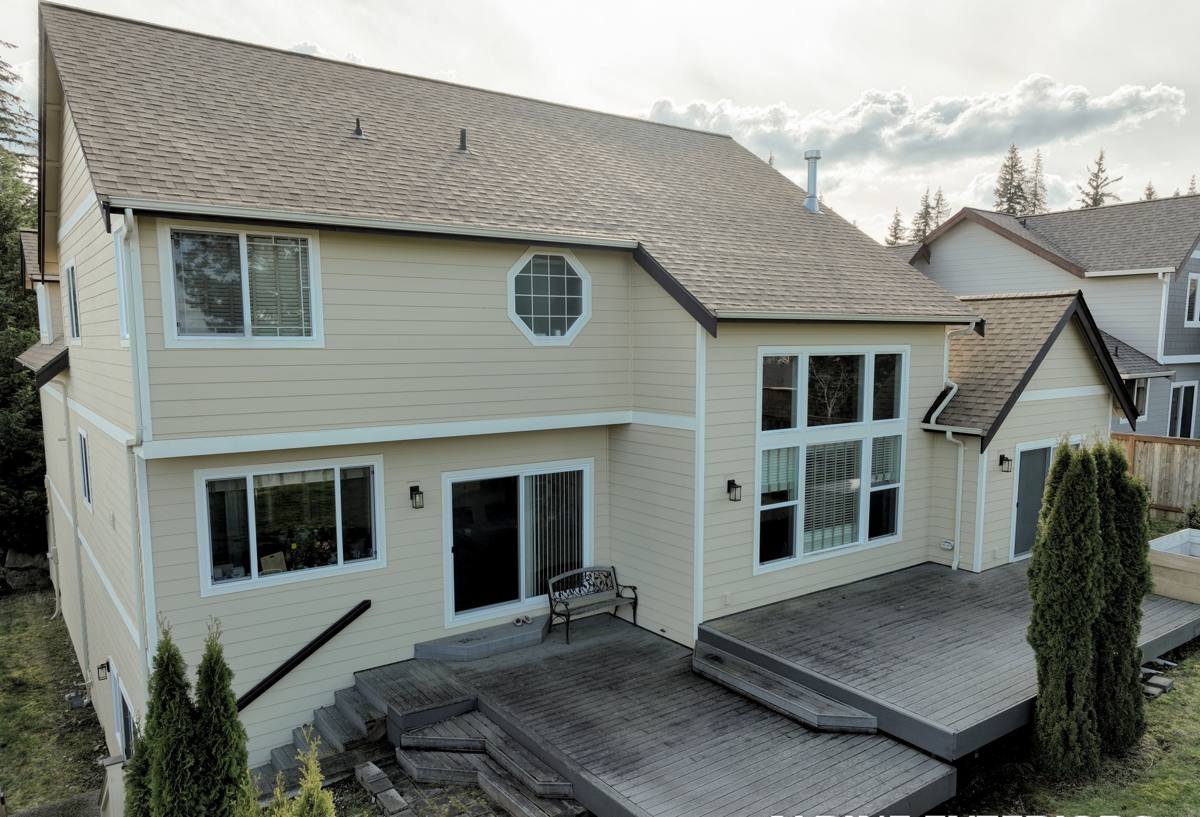
 Building a Deck That Can Actually Handle Clearwater's Weather
Clearwater sits on the Gulf side of the Tampa Bay area, in Pinellas County, which means a deck here works harder than one built almost anywhere else in the country. It has to shrug off hurricane-force wind gusts, take a beating from UV rays nearly every day of the year, shed wind-driven rain that comes in sideways during storms, and resist the slow corrosion that salt-laden air causes on metal hardware. A deck that would hold up fine in a drier, milder climate can fail here in a fraction of the time if it wasn't designed and built with these conditions in mind.
This page covers what a custom deck in Clearwater actually needs, what separates a correct build from a shortcut job, and how we approach the work when we're building or replacing a deck for a homeowner in this area.
What This Climate Does to a Deck Over Time
Wind
Florida Building Code wind-load requirements apply to any structure attached to your home, and coastal exposure in the Tampa Bay region means your deck has to be engineered for real uplift and lateral loads, not just built to look sturdy. Post connections, joist hangers, and ledger attachment all matter more here than they would inland.
UV Exposure
Year-round sun bleaches and dries out wood fibers, breaks down cheaper sealants, and fades uncapped or low-grade composite boards faster than most manufacturers' marketing suggests. Any finish or board choice needs to be picked with that exposure in mind, not just for how it looks on day one.
Wind-Driven Rain
Storms here don't just fall straight down — they drive rain sideways and up under structures. That makes flashing at the ledger board, proper drainage gaps between decking boards, and water management around post bases far more important than they'd be in a low-rain climate.
Salt Air
Even a few miles inland from the Gulf, airborne salt accelerates corrosion on fasteners, joist hangers, and railing hardware. Standard hardware-store fasteners can start rusting and staining a deck within a couple of seasons in this environment.
What a Correctly Built Deck Needs Here
Framing and Fasteners
We use fasteners and structural connectors rated for coastal exposure — stainless steel or coated hardware rated for the corrosion this environment causes, not standard galvanized parts that will streak and weaken over time. Joist hangers, post bases, and hurricane ties all get the same treatment, since a deck's hardware is what actually holds it together during a wind event, not the decking surface.
Ledger Attachment and Flashing
If a deck attaches to your house, the ledger board connection is the single most common source of hidden rot we find on older decks. Proper flashing that directs water away from the house band board, combined with correct lag or through-bolt spacing, is not optional — it's the difference between a deck that lasts and one that quietly rots your home's structure behind the scenes. In some situations, particularly on homes with siding types sensitive to moisture intrusion, a freestanding deck design that doesn't attach to the house at all is the more honest, lower-risk choice.
Footings and Posts
Footing depth and diameter have to account for wind uplift, not just the weight of the deck sitting on them. Sandy Florida soil also behaves differently than clay or loam when it comes to footing stability, which affects how deep and how wide footings need to be poured.
Decking Material Options for This Climate
There's no single "best" decking material — every option involves a trade-off between upfront cost, maintenance, and how it handles sun and salt air over time. Here's how the common choices compare for a Clearwater build:
| Material | UV / Fade Resistance | Salt Air Behavior | Maintenance | Typical Lifespan |
|---|---|---|---|---|
| Pressure-treated pine | Fades and grays without regular sealing | Fasteners need coastal-rated hardware | Sealing every 1-2 years | 10-15 years with upkeep |
| Tropical hardwood (e.g. ipe) | Grays over time unless oiled | Handles moisture well; hardware still needs coastal rating | Periodic oiling to maintain color | 20-25+ years |
| Capped composite | Strong fade resistance with cap layer | Shell resists salt staining well | Occasional washing | 25-30 year manufacturer warranties common |
| Uncapped composite | Can fade and stain faster than capped versions | More prone to surface staining near salt air | Regular cleaning to control mildew/staining | Shorter than capped composite |
We'll walk through these trade-offs honestly during your estimate — the right choice usually comes down to your budget, how much maintenance you want to do, and how long you plan to stay in the home.
Problems We Commonly Find on Existing Decks in This Area
- Rusted or corroded fasteners that were never rated for coastal exposure
- Missing or improperly installed ledger flashing, leading to hidden rot behind the board
- Undersized or shallow footings that weren't designed for local wind loads
- Decking boards installed with no drainage gap, trapping moisture and debris
- Railings that meet code height but use hardware that's already corroding after a few years
- Old sealant or stain that was never reapplied, leaving wood exposed to full sun and rain
If any of this sounds familiar from a deck you already have, it's usually cheaper to address it with a proper rebuild of the affected sections now than to wait for a failure.
Our Process for a Custom Deck Build
- On-site assessment — we look at your home's structure, soil conditions, sun and wind exposure, and how the deck will connect (or not connect) to the house.
- Design and material selection — we go over decking, railing, and framing options honestly, including what each one costs to maintain over time in this climate.
- Permitting — we handle the permit application and ensure the design meets current Florida Building Code wind and structural requirements for this area.
- Construction — footings, framing, flashing, decking, and railing are installed in sequence, with attention to the connection points that matter most in coastal exposure.
- Inspection — the deck goes through required inspections before we consider the job finished.
- Final walkthrough — we go over the finished deck with you, including what maintenance it needs and when.
Permitting and Local Code Considerations
A deck attached to your home almost always requires a building permit in this area, along with an inspection process. Wind load requirements under the Florida Building Code apply to structural connections, footing design, and railing systems, and local building departments in the Tampa Bay area expect plans that clearly show how the deck resists uplift and lateral wind forces — not just how it looks. Skipping the permit process might save time upfront, but it creates real problems at resale, with insurance claims, and with code enforcement down the road.
Maintenance That Actually Matters Here
Whatever material you choose, a few maintenance habits make the biggest difference in this climate:
- Rinse salt residue and debris off decking and railings periodically, especially after storms
- Reapply sealant or oil on wood decking on the schedule the product actually requires, not "when it looks bad"
- Check fastener heads and hardware yearly for early rust staining
- Keep drainage gaps between boards clear of leaves and debris so water can actually get through
- Inspect the ledger flashing area annually if the deck attaches to the house
Why Hiring a Crew That Already Works in Clearwater Matters
A deck built to a generic national standard isn't the same as one built for this specific coastline. Crews who regularly work in the Tampa Bay area already know which fastener grades hold up here, how local building departments expect wind-load documentation to be presented, and where older homes in this area tend to have hidden moisture issues at the ledger connection. That local familiarity shows up in fewer surprises during the permit process and a deck that's actually built for the conditions it will face, not just the conditions on a spec sheet written for a different part of the country.
Questions Worth Asking Before You Sign a Contract
- Is the contractor licensed and insured to do structural work in this county?
- Does the quote include permitting and the required inspections, or is that left to you?
- What grade of fasteners and connectors will be used, and are they rated for coastal exposure?
- How will the ledger connection be flashed, if the deck attaches to the house?
- What's the footing depth and design, and is it based on this area's wind load requirements?
- What maintenance will the decking material actually require, and how often?
If you're planning a new deck or need to replace one that's showing its age, we're happy to take a look and put together a straightforward, no-pressure estimate — just fill out the form below.