 Tampa Siding
 Why Plant City Windows Take More Punishment Than the Average Window
Plant City sits inland from Tampa Bay, out among the strawberry fields and older residential streets of eastern Hillsborough County, but "inland" doesn't mean "sheltered." A house here still takes a full Central Florida summer of intense, near-daily UV exposure, long stretches of high humidity, sudden thunderstorm cells with wind-driven rain, and — during hurricane season — the same tropical systems and outer wind bands that move across the greater Tampa Bay region. Coastal neighborhoods closer to the bay deal with more direct salt air corrosion on hardware and frames; Plant City's bigger enemies are heat cycling, UV breakdown of seals and finishes, and wind-driven rain finding its way through aging frames. Either way, a window built for a mild climate somewhere else is the wrong window for a house here.
Over time, that combination shows up as clouded or fogged glass (a failed seal), warped vinyl or wood frames, sticking sashes, and drafts that weren't there when the window was new. Custom window work in Plant City has to account for all of it — not just fit the opening, but hold up to the specific stress this climate puts on a window year after year.
What "Custom" Actually Means for a Plant City Home
Odd Sizes and Older Openings
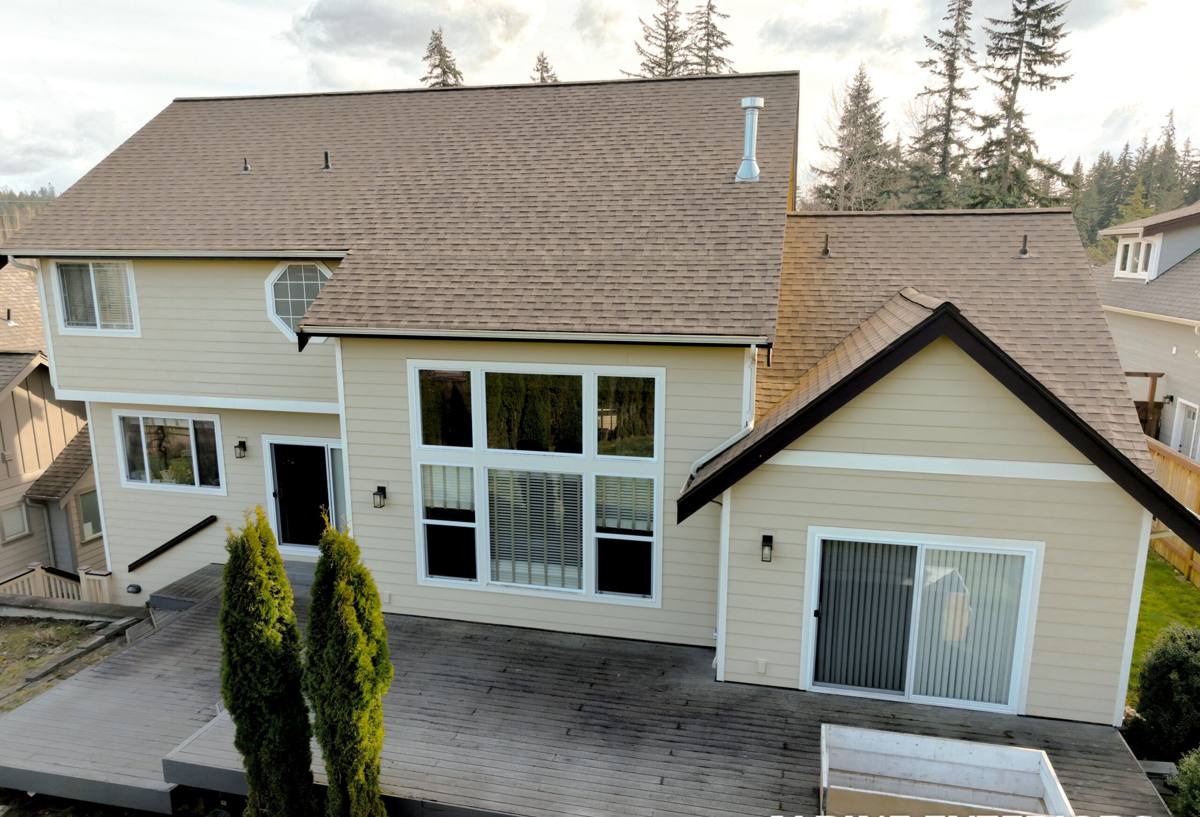
A lot of Plant City's housing stock includes older ranch homes, farmhouses, and additions built or modified over several decades. Openings are frequently not standard sizes — a previous remodel, a settled foundation, or an original build method from decades ago can all leave a rough opening that doesn't match anything off a factory shelf. Custom windows are built to the actual measured opening rather than forcing the opening to match a stock size, which matters for both a clean weatherproof seal and how the finished window looks from the street.
Matching Your Home's Style
Custom also means matching grille patterns, frame color, and window style (single-hung, double-hung, casement, picture) to the rest of the house, especially on additions or partial replacements where mismatched windows are an obvious giveaway. On a full-home replacement, custom sizing lets us correct sightline issues between windows of different original ages instead of locking in whatever inconsistency the house already had.
Frame and Glass Options That Actually Hold Up Here
Not every window on the market is a good fit for Hillsborough County's heat and storm exposure. We steer homeowners toward materials that handle UV and thermal cycling well and away from options that look fine in a showroom but create maintenance headaches five summers in. Here's how the common choices compare for a Plant City installation:
| Option | Strengths Here | Trade-Offs to Know |
|---|---|---|
| Vinyl frame, Low-E insulated glass | Handles heat and humidity well, no repainting, good value | Darker colors can absorb more heat; quality varies a lot by manufacturer |
| Aluminum frame | Strong, slim sightlines, common on older Florida homes | Conducts heat/cold more than vinyl; needs a good thermal break to perform well |
| Wood or wood-clad frame | Classic look for older or historic-style homes | Highest maintenance burden in humid climates; needs regular sealing/paint upkeep |
| Fiberglass frame | Very stable through heat cycling, low expansion/contraction | Higher upfront cost than vinyl |
| Impact-rated glass (laminated) | Stays intact under wind-borne debris impact, added security | Heavier, higher cost, needs to be installed to spec to perform as rated |
For most Plant City homes, a quality vinyl or fiberglass frame paired with Low-E insulated glass hits the right balance of durability and value. We'll walk through what your specific home and budget call for rather than pushing one option across the board — the right answer depends on your home's age, orientation, and how exposed it is to prevailing wind and rain.
Wind Resistance and Florida Building Code
Hillsborough County is not part of Florida's High-Velocity Hurricane Zone (that designation applies to Miami-Dade and Broward Counties), but it does fall under Florida Building Code wind-borne debris requirements for our wind speed region. In practice, that means new and replacement windows need to meet a minimum design pressure rating and, depending on the home's location and exposure, may need to demonstrate impact resistance or be paired with an approved protective covering. We pull permits and match window specs to what the local building department requires for your address — this isn't a step to shortcut, since an under-rated window is a real liability in a storm and can also complicate a home sale or insurance claim down the line.
Impact-rated glass isn't mandatory everywhere in the county, but plenty of Plant City homeowners choose it anyway for the year-round noise reduction and added security, on top of storm performance. We'll explain what's required for your specific property versus what's optional upgrade territory, so you're not paying for more than you need or under-building for what code requires.
How Our Installation Process Works
- On-site assessment and measurement. We measure every opening individually, check for water intrusion or rot around existing frames, and discuss style, glass, and frame options based on your home and budget.
- Custom order. Windows are built to your exact measurements rather than pulled from generic stock, including any non-standard shapes or sizes.
- Permitting. We handle the permit paperwork with Hillsborough County or the City of Plant City as applicable, matching the product spec sheet to what's required for your wind zone and exposure.
- Removal and prep. Old windows come out carefully, and we inspect the rough opening for hidden rot, deteriorated sill pans, or moisture damage before anything new goes in — a step that gets skipped by crews in a hurry, and one that causes problems later if it's missed.
- Installation and flashing. Correct flashing and sealing around the frame is what actually keeps wind-driven rain out over time — more important, honestly, than the window itself in a lot of failure cases we see.
- Final inspection and cleanup. We check operation, seals, and finish work, and schedule any required county inspection before calling the job done.
Signs Your Current Windows Are Already Failing
Most window problems in this climate show up gradually. A quick self-check before you call anyone:
- Fog, haze, or moisture trapped between panes (a broken seal on insulated glass)
- Windows that are hard to open, close, or lock, or that have started sagging in the frame
- Visible gaps, soft or discolored wood/trim, or a musty smell near the frame after rain
- Noticeably higher cooling bills with no other explanation
- Drafts you can feel with a hand near the frame on a windy day
- Chalky, pitted, or discolored frames, especially on the sides that face the most sun
- Visible daylight around the frame edges from inside
Any one of these on its own might just mean a repair. Several at once, especially on windows original to an older home, usually means replacement is the more cost-effective move long-term.
What Affects the Cost of Custom Windows
There's no honest flat price for window replacement — the range depends on real variables specific to your home. The main cost drivers:
| Factor | How It Moves the Price |
|---|---|
| Number of windows | Full-home replacements get better per-unit pricing than one-off jobs |
| Frame material | Vinyl generally costs less than fiberglass or wood-clad |
| Glass package | Impact-rated laminated glass costs more than standard Low-E insulated glass |
| Size and shape | Oversized, non-standard, or specialty shapes (arched, angled) cost more to custom-build |
| Condition of existing openings | Rot repair or structural work found during removal adds to the scope |
| Trim and finish work | Interior/exterior trim replacement or matching adds labor beyond the window itself |
We give a firm, itemized quote after the on-site assessment — not a phone estimate — so you know exactly what's driving the number for your specific home.
Why It Matters to Hire a Crew That Already Works Plant City
Permitting requirements, wind ratings, and inspection processes vary by jurisdiction, and a crew that regularly pulls permits with Hillsborough County and the City of Plant City already knows the local process rather than learning it on your job. Beyond paperwork, a crew that works this area consistently has seen how the local mix of older housing stock, humidity, and storm exposure actually plays out on real installs — which framing details hold up, which don't, and where the common trouble spots are on homes of a certain age. That's the kind of judgment that doesn't come from a spec sheet.
Caring for New Windows in a Florida Climate
New windows still need basic upkeep to get their full lifespan out of this climate. Rinse frames periodically to clear pollen, dust, and airborne residue before it builds up. Check and clean weep holes (the small drainage openings at the bottom of the frame) so rainwater has somewhere to go instead of sitting against the seal. Keep an eye on caulking and exterior sealant, since UV exposure breaks down sealants faster here than in milder climates, and a failed seal is one of the more common ways water eventually gets in. None of this is complicated, but skipping it is how a good installation ends up with an avoidable problem a few years down the road.
If you're dealing with fogged glass, drafts, sticking frames, or you're just ready to plan a window upgrade before the next storm season, we're happy to take a look and put together a straightforward, no-pressure estimate for your Plant City home. Use the form below to get started.