 Tampa Siding
 Why Window Choice Matters More in Clearwater Than Almost Anywhere Else
Windows do a lot of quiet work in a Tampa Bay area home. They're the weakest point in the building envelope during a storm, the biggest source of heat gain during the summer, and one of the first things to show wear from salt air along the Gulf coast. In a lot of the country, "energy-efficient windows" is mostly a heating-bill conversation. In Clearwater, it's a heating-and-cooling, wind-load, humidity, and UV conversation all at once, and a window that's only built for one of those problems usually falls short on the others.
We install windows across the greater Tampa Bay area, and the homes closest to the coast — Clearwater included — put products through a harder test than homes further inland. Salt-laden air corrodes hardware faster, near-constant sun bakes vinyl and seals, and afternoon storms push wind-driven rain sideways into every gap a window wasn't sealed to handle. A correct installation here accounts for all of that from the start, not as an afterthought.
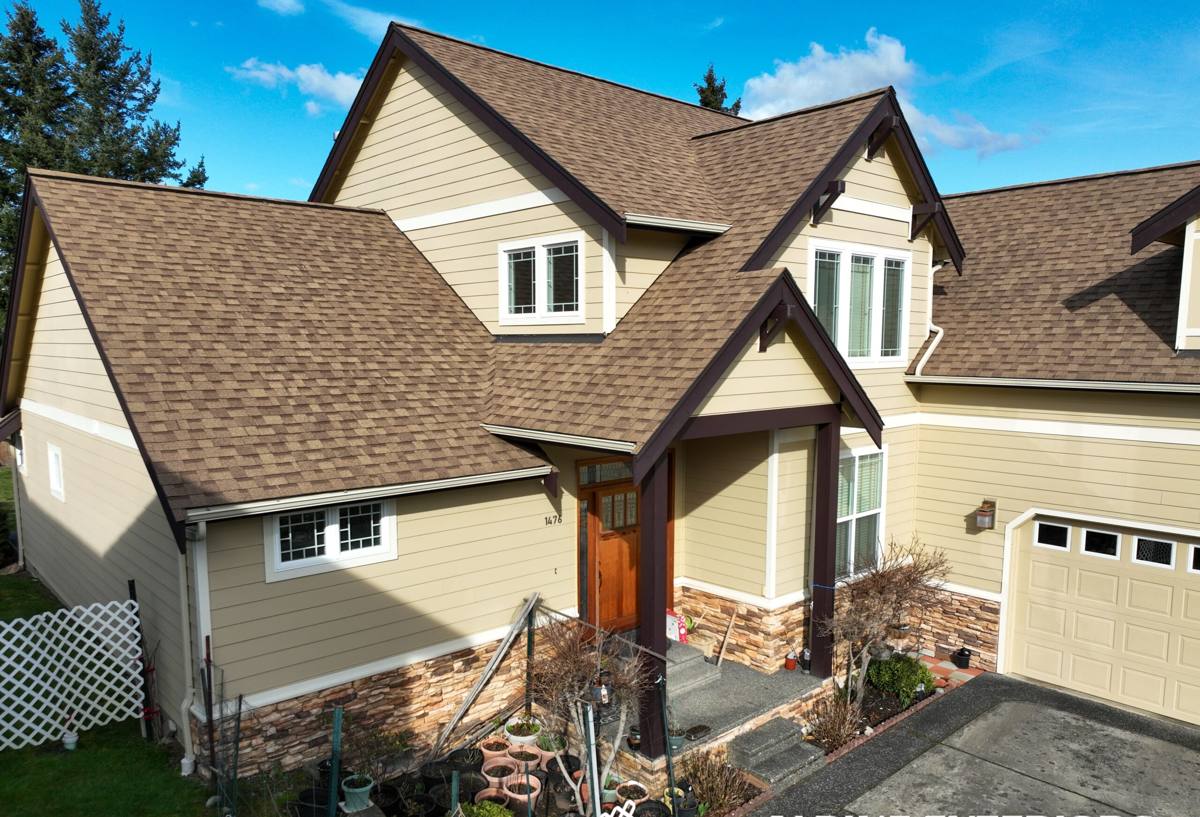
What "Energy-Efficient" Actually Means for a Gulf Coast Home
Up north, energy-efficient windows are mostly about keeping heat in. Here, the job is almost the opposite: keeping heat and UV out while your air conditioner runs most of the year. That changes which specs actually matter for your home.
The Numbers That Matter Here
- U-Factor — measures how much heat transfers through the window. Lower is better, and it matters here for keeping cooled air in during the hottest months.
- SHGC (Solar Heat Gain Coefficient) — this is the big one for Florida. It measures how much solar heat passes through the glass. A lower SHGC means less heat load on your AC on a west-facing wall in July.
- Air Infiltration Rating — how much air leaks around the sash even when it's closed and locked. Higher-quality frames and weatherstripping score lower here, which matters both for efficiency and for keeping wind-driven rain out during a storm.
- Visible Transmittance — how much natural light gets through. You want enough light without the glare and heat that comes with it, which is where certain low-E coatings earn their keep.
A window that was engineered for a cold climate and simply relabeled for the Florida market often gets the U-Factor right and the SHGC wrong. We look at both, along with how the whole assembly performs together, not just one number on a label.
Comparing Frame Materials for Coastal Florida Conditions
The frame material affects how a window handles heat, sun, humidity, and salt air over the long run just as much as the glass does. There's no single "best" material for every home — it depends on your budget, your home's style, and how close you are to the water. Here's how the common options stack up for this climate specifically.
| Frame Material | Heat & UV Performance | Coastal/Salt-Air Durability | Maintenance | Typical Cost Tier |
|---|---|---|---|---|
| Vinyl | Good with quality reinforcement; can soften or warp if low-grade and exposed to intense sun for years | Good — won't corrode or rust | Low | Lower to mid |
| Fiberglass | Excellent — dimensionally stable in heat, low expansion and contraction | Excellent | Low | Mid to higher |
| Aluminum | Conducts heat unless thermally broken; can run hotter to the touch | Prone to pitting or corrosion near salt air unless properly coated | Moderate | Mid |
| Wood / Wood-Clad | Good insulator, but needs protection from humidity swings | Poor without diligent upkeep — humidity and salt air accelerate rot | High | Higher |
For most Clearwater homes we recommend vinyl or fiberglass frames with reinforced corners and corrosion-resistant hardware. We're honest that a lower-grade vinyl frame exposed to a west-facing wall for a decade can show its age, so when a homeowner's budget and goals call for it, we'll say so and point to a better-suited option rather than sell whatever's easiest to install.
Wind, Rain, and Pressure: Building for Storm Season
Anywhere on the Gulf coast, windows have to handle more than everyday weather. Hurricane-force wind gusts put real pressure on glass and frames, wind-driven rain gets forced sideways into gaps that would never leak in a normal rainstorm, and flying debris is a real risk during a serious storm. Local building codes account for wind load and water infiltration requirements that vary by exact location, wall exposure, and the specific product being installed — which is why window selection isn't one-size-fits-all even within the same neighborhood.
What This Means in Practice
- Impact-rated glass (laminated glass that stays intact even when cracked) is worth serious consideration for exposed elevations, and it carries the added benefit of blocking noise and nearly all UV.
- Non-impact windows can still meet code when paired with approved storm protection, but that means your protection plan depends on shutters or panels actually going up before a storm.
- Proper flashing and sealant work at the rough opening matters as much as the window itself — most "window leaks" homeowners deal with are actually installation gaps, not product failures.
- Anchoring specs and fastener spacing are engineered to the wind zone and wall type for that opening, not just however many screws happen to fit.
We size and specify products to the actual wind and water requirements for your home's location and exposure, and we pull the appropriate permits rather than treating that step as optional paperwork.
Signs Your Current Windows Are Working Against You
Most homeowners don't think about their windows until something's obviously wrong, but inefficiency and water risk usually show up gradually first. Here's what tends to signal that a window is past its useful life in this climate:
- You can feel a draft or heat radiating off the glass when standing near it on a hot afternoon
- Condensation or fogging between panes of double-pane glass — a sign the seal has failed
- Sashes that are hard to open, close, or lock, or that no longer sit flush in the frame
- Visible corrosion, pitting, or chalky residue on aluminum hardware or frames
- Soft spots, discoloration, or a musty smell in the drywall or trim around the window
- A noticeable jump in cooling costs without another clear explanation
- Frames that have visibly warped, bowed, or discolored from sun exposure
- Rattling or whistling during windy conditions
Any one of these on its own might not be urgent, but a few together usually means the window assembly — glass, seal, frame, or installation — has reached the point where repair is a temporary patch, not a real fix.
What a Correct Installation Actually Involves
The window product matters, but installation quality is what determines whether it performs the way it's rated to for the next fifteen-plus years. A great window installed poorly will leak, underperform, and fail early. Here's the process we follow and why each step exists.
Our Process
- On-site assessment — we look at each opening's condition, framing, current flashing, and exposure, since a west-facing wall or a wall that takes direct rain in a storm gets treated differently than a sheltered one.
- Product selection — we go over frame material, glass package, and impact-rating options based on your budget, the home's exposure, and your goals, whether that's comfort, storm protection, resale, or all three.
- Careful removal — old units come out without tearing up more of the surrounding wall or stucco than necessary, and we check for hidden rot or water damage while the opening is exposed.
- Opening prep and flashing — this is the step that actually prevents leaks. Proper flashing, sealant, and moisture barrier work at the rough opening matters more than almost anything else in the process.
- Setting and shimming the unit — the window has to sit level, plumb, and square, with the right shim placement so it operates smoothly and doesn't stress the frame over time.
- Anchoring to spec — fasteners and spacing matched to the wind load and wall type for that opening, not a generic pattern.
- Sealing and finishing — exterior sealant, interior trim, and a final check that the sash operates correctly and locks fully.
- Final walkthrough — we test operation on every window and go over care and warranty details before we consider the job done.
Permits and inspections apply to most window replacement work in this area, and skipping that step to save time is a shortcut that can come back to bite you at resale or with an insurance claim.
Cost Factors to Understand Before You Get a Quote
Window pricing varies a lot based on size, quantity, material, and glass package, so we won't quote a number here that wouldn't hold up once we've actually seen your home. What we can do is explain what drives the price up or down, so a quote makes sense once you get one.
| Factor | How It Affects Cost |
|---|---|
| Frame material | Vinyl typically costs less than fiberglass; wood-clad runs higher |
| Impact-rated vs. standard glass | Impact glass costs more upfront but can reduce or eliminate the need for separate storm protection |
| Window size and configuration | Larger openings, picture windows, and custom shapes cost more than standard sliders or single-hungs |
| Number of openings | Whole-home replacement typically has a lower per-window cost than doing a few at a time |
| Condition of the existing opening | Hidden rot or damage found during removal adds repair work before the new window goes in |
| Trim and finish work | Matching existing interior trim or exterior stucco detail adds labor |
We'll walk through these factors specific to your home during an estimate, so you know exactly what you're paying for and why, not just a bottom-line number.
Living With Salt Air and Florida Sun: Maintenance That Extends Window Life
Even a well-installed, well-chosen window benefits from a little routine care in this climate. Salt air and intense UV are harder on materials here than in most of the country, and a few minutes a couple of times a year goes a long way toward protecting the investment.
- Rinse frames and hardware periodically, especially if you're within a mile or two of the water, to keep salt residue from accumulating on hardware and tracks
- Check and clear weep holes — the small drainage openings at the bottom of the frame — so water doesn't pool and find its way inside
- Lubricate locks and moving hardware annually to prevent corrosion-related sticking
- Inspect exterior sealant and caulk yearly, and have any cracked or shrunk sections redone before rainy season
- Keep an eye on screens and tracks for salt buildup or corrosion, particularly on aluminum components
None of this requires a professional visit in most cases, but if you notice hardware that won't budge, a track that's pitted, or a frame that's discolored beyond a simple cleaning, that's worth a look before it turns into a bigger repair.
Why Hiring a Crew That Already Works in This Area Matters
Window installation isn't identical everywhere, and a crew that mostly works inland climates isn't automatically thinking about salt exposure, wind-driven rain, or the specific wind and water requirements that apply along the Gulf coast. Working regularly in the Tampa Bay area, including Clearwater and the surrounding communities, means we're already familiar with the permitting expectations, the way local wall construction is typically built, and the failure points that show up on homes exposed to this kind of weather year after year.
That familiarity shows up in small decisions — which sealant holds up under this UV load, how much reinforcement a given opening needs, and which corrosion-resistant hardware is worth the upgrade — that don't come from a generic install checklist. It also means we're not learning on your house.
If your windows are drafty, foggy, hard to operate, or just older than you'd like to admit, it's worth having someone take an honest look before you decide what to do next. We'll walk your home, point out what we actually see, and put together options that fit your budget and your home's exposure. Fill out the form below for a free, no-pressure estimate.