 Tampa Siding
 Roofing a Barrier Island Home in Tampa Bay
Davis Islands sits close to open water, and that changes what a roof has to deal with compared to homes further inland in Hillsborough County. Between hurricane-force wind gusts, wind-driven rain that finds every gap in flashing, near-constant UV exposure, and salt-laden air rolling off the bay, an asphalt shingle roof here works harder than the same roof would a few miles north. That doesn't mean asphalt shingles are the wrong choice for Davis Islands — they're still one of the most practical, cost-effective roofing systems available, and a huge share of homes in this part of Tampa use them successfully. It means the installation details matter more, and cutting corners shows up faster.
This page covers what a correct asphalt shingle roof looks like on a Davis Islands home, the climate factors that actually drive premature failure here, and why working with a crew that already understands barrier-island conditions makes a real difference over time.
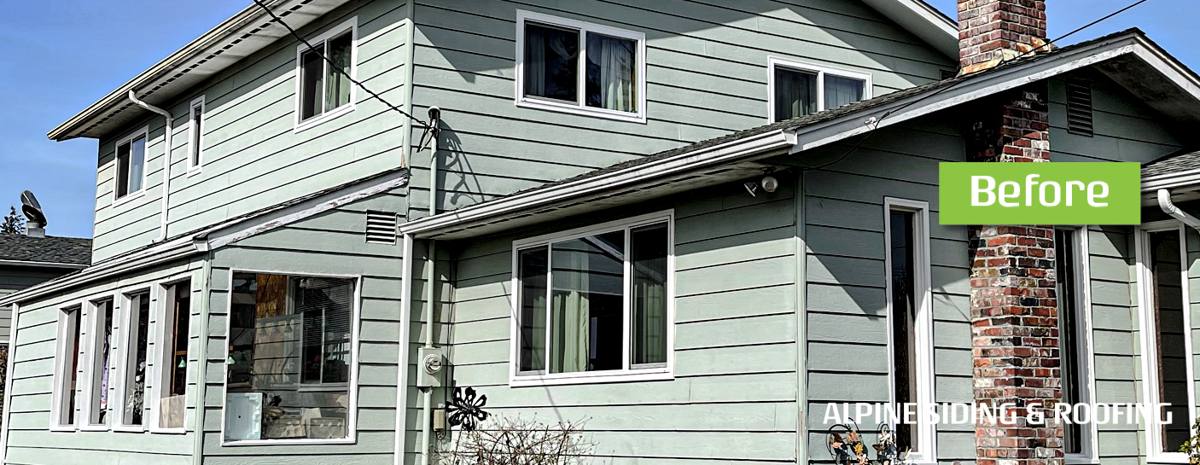
What Davis Islands' Climate Actually Does to a Roof
Wind
Proximity to open water means Davis Islands homes see stronger, more sustained wind loads than roofs sheltered by tree cover or dense inland development. During tropical storms and hurricanes, wind doesn't just push against a roof — it creates uplift at edges, corners, and ridge lines, which is exactly where poorly fastened shingles fail first. A roof rated for a certain wind speed on paper only performs that way if the fastening pattern, starter strip, and edge detailing were installed correctly.
Wind-Driven Rain
Rain that comes in sideways behaves differently than rain falling straight down. It can work its way up under shingle tabs, around vent boots, and through poorly sealed flashing at chimneys and wall intersections. On an island exposed to open water on multiple sides, wind-driven rain is a routine event, not a rare one — so underlayment quality and flashing detail matter more here than on a typical inland roof.
Salt Air
Salt carried in the air accelerates corrosion of exposed metal — nail heads, flashing, vent stacks, and gutter hardware all age faster near the water. Once corrosion starts on a fastener or flashing edge, it creates a path for water intrusion long before the shingles themselves show visible wear.
UV and Heat
Florida sun is intense year-round, and asphalt shingles lose granules and flexibility over time from constant UV load and heat cycling. Combined with the coastal humidity on Davis Islands, this also creates favorable conditions for algae streaking on north-facing slopes if the shingle isn't rated for it.
What a Correct Asphalt Shingle Installation Involves
A shingle roof is a system, not a single product. Each layer has a job, and skipping or shortcutting any one of them is where coastal roofs typically fail early.
- Deck inspection and repair — any soft, delaminated, or water-damaged decking gets replaced before anything goes down on top of it.
- Synthetic underlayment — a water-resistant barrier under the shingles, sized and lapped to handle wind-driven rain, not just standard runoff.
- Drip edge at eaves and rakes — metal edging that directs water off the roof deck instead of letting it wick back under the shingles.
- Valley and flashing detail — closed or open valleys installed with proper overlap, and step/counter-flashing at walls and chimneys sealed against wind-driven rain.
- High-wind nailing pattern — correct nail count and placement per shingle, matched to the wind zone, not just the manufacturer's minimum spec.
- Starter strip at eaves and rakes — this is one of the most common places installers cut corners, and it's the first line of defense against wind uplift.
- Ridge vent and attic ventilation — proper airflow reduces heat buildup and moisture in the attic, which extends shingle life and helps prevent deck rot.
Choosing a Shingle for Coastal Exposure
Not every asphalt shingle product performs the same way under Davis Islands conditions. The table below outlines the general trade-offs homeowners weigh when choosing a shingle class for a coastal Tampa property.
| Shingle Class | Wind Performance | Algae Resistance | Relative Cost |
|---|---|---|---|
| Standard 3-tab | Lower wind rating, fewer nailing points | Varies by product | Lowest |
| Architectural / laminate | Higher wind rating, better uplift resistance | Often available with algae-resistant granules | Moderate |
| High-wind rated architectural | Highest asphalt wind rating, engineered for coastal/high-velocity zones | Typically includes algae-resistant granules | Higher |
For most Davis Islands homes, a high-wind rated architectural shingle is the more sensible long-term choice given the exposure, even though the upfront cost is higher than standard 3-tab. The wind rating only holds up in practice if the fastening and flashing were installed to match — a top-tier shingle installed with a substandard nailing pattern will not perform to its rating.
Wind Mitigation and Insurance
Florida's wind mitigation inspection can affect windstorm insurance premiums, and roof age, shingle type, and installation details (like nailing pattern and roof-to-wall connections) all factor into that inspection. A properly documented, correctly installed roof can support a better wind mitigation outcome — worth discussing with your insurance agent once the work is done.
Our Process for a Davis Islands Re-Roof
1. Inspection and Assessment
We start by walking the roof and attic to check deck condition, existing ventilation, flashing condition around penetrations, and any signs of past leaks or wind damage — common on homes that have weathered multiple storm seasons this close to the water.
2. Tear-Off and Deck Prep
Old material comes off down to the deck so we can inspect and repair it directly, rather than layering over hidden damage.
3. Underlayment and Flashing
Synthetic underlayment, new drip edge, and new flashing at all valleys, walls, and penetrations go in before a single shingle is installed. This is the layer doing most of the work against wind-driven rain.
4. Shingle Installation
Shingles go down with a nailing pattern matched to the wind exposure of the property, not just a generic minimum spec.
5. Ventilation Check
We confirm intake and exhaust ventilation are balanced, since poor attic airflow shortens shingle life regardless of how well the shingles themselves were installed.
6. Final Walkthrough and Cleanup
We review the completed roof with the homeowner, including a magnetic sweep for stray nails and full debris cleanup.
Why Local Experience on Davis Islands Matters
Davis Islands has its own logistics that a crew unfamiliar with the area learns the hard way: limited access points onto the island, tighter lot layouts and setbacks than mainland Tampa neighborhoods, and a mix of older and newer homes where roof deck condition can vary significantly even on similar-looking houses. A crew that already works this neighborhood knows what to expect before the tear-off even starts, which keeps a project on schedule and avoids surprises mid-job.
Just as important is Hillsborough County permitting and code familiarity. Coastal properties often carry specific wind-zone requirements for fastening and materials, and a contractor who pulls permits in this county regularly knows what inspectors are looking for — which means fewer callbacks and a smoother close-out on your project.
Maintenance That Actually Extends Roof Life Here
Coastal asphalt shingle roofs benefit from a bit more attention than inland roofs, given the salt air and storm exposure. A simple annual habit goes a long way:
- Visual check after any named storm for lifted or missing shingles, especially at ridges and edges
- Clear gutters and downspouts so water isn't backing up under the roof edge
- Check exposed metal flashing and vent boots periodically for early corrosion or sealant cracking
- Trim back any overhanging vegetation to reduce debris buildup and moisture retention on the roof
- Have a professional inspection after major storms even if there's no visible interior leak
What Homeowners Should Expect to Pay For
Every Davis Islands roof is different, but the main cost drivers are consistent: roof size and pitch, number of valleys and penetrations, deck condition once the old roofing is removed, shingle class selected, and any additional ventilation or flashing upgrades needed to bring an older roof up to current wind standards. A detailed, written estimate after an in-person inspection is the only reliable way to know actual cost — broad online estimates don't account for coastal-specific flashing and fastening work that a Davis Islands roof typically needs.
If you're planning a roof replacement or repair on Davis Islands, we're happy to take a look and walk you through what your specific roof needs. Reach out for a free, no-pressure estimate using the form below.