 Tampa Siding
 Plant City's Climate Is Harder on Siding Than Most Homeowners Realize
Plant City sits on the eastern edge of Hillsborough County, far enough inland that it misses some of the direct salt spray that beats up siding along the Tampa Bay waterfront — but inland doesn't mean easy. This part of the county still sits squarely in a hurricane corridor, takes the same intense, near-year-round UV exposure as the rest of the Gulf Coast, and gets pounded every summer by wind-driven thunderstorms that roll through almost daily. Humidity here runs high for most of the year, which matters just as much as any single storm: siding that traps moisture against the wall assembly will fail slowly, from the inside out, long before a hurricane ever gets the credit.
Add in the area's agricultural roots and the mix of older farmhouses, mid-century ranch homes, and newer subdivisions that have filled in around Plant City over the past couple of decades, and you get a wide range of siding conditions on any given street — some homes are due for a full replacement, others are patch jobs waiting to happen, and a few have already been through a repair or two that didn't hold up. The right siding for this area has to handle heat, UV, humidity, and wind together, not just one of them.
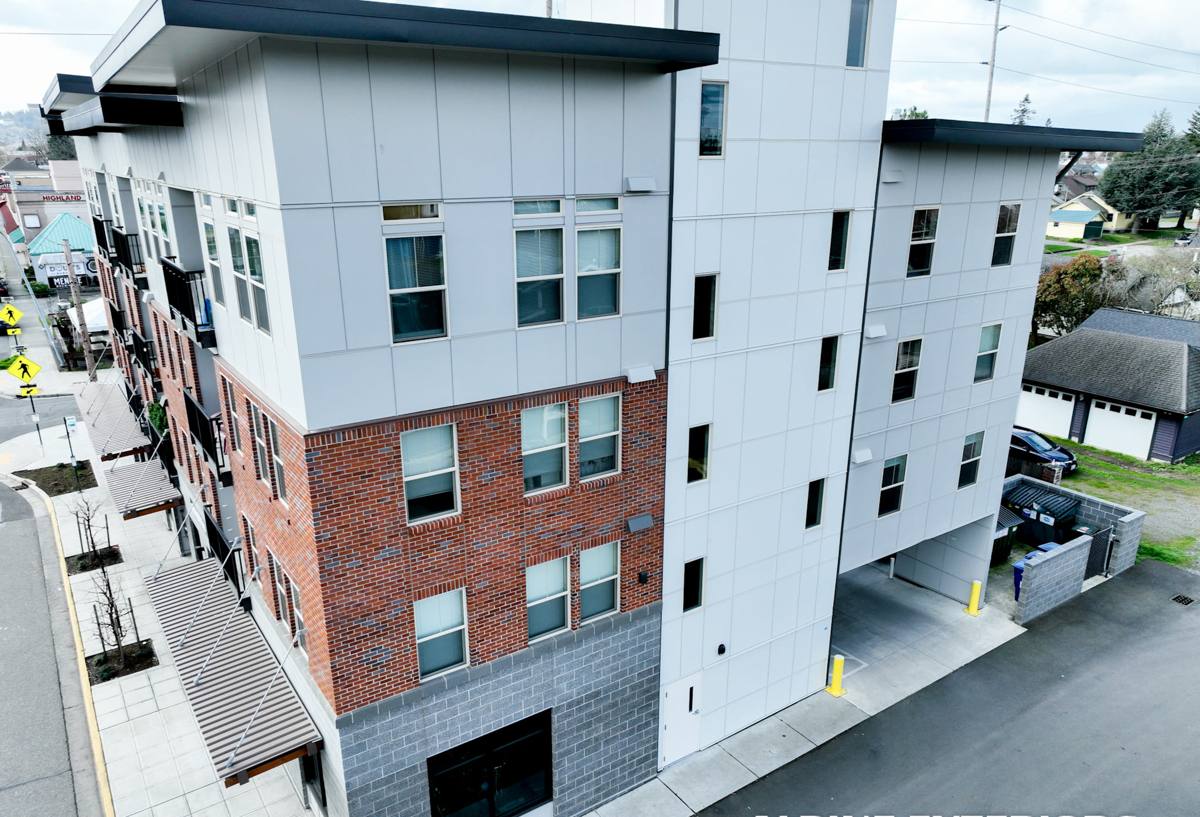
What This Climate Does to the Siding Already on Plant City Homes
Older Homes and Original Siding
A lot of the established homes in and around Plant City are still wearing whatever siding they were built or re-sided with decades ago — old hardboard, aluminum, or even original wood lap siding. These materials weren't engineered for Central Florida's humidity and UV load, and it shows: swelling and delamination at the seams, chalking and fading paint, soft spots where moisture has been getting behind the boards for years. Repainting buys a little time but doesn't fix what's happening underneath.
Newer Subdivisions and Builder-Grade Materials
Newer construction isn't automatically in better shape. A lot of production-built homes went up with vinyl or lower-grade composite siding chosen for upfront cost rather than long-term performance in this climate. Vinyl softens and warps under sustained heat, and its seams and J-channels give wind-driven rain plenty of paths inside during a tropical storm. Homeowners in newer neighborhoods are often surprised to find their 10- or 15-year-old siding already needs attention.
Why We Only Install James Hardie Fiber Cement Siding
We don't install LP SmartSide, vinyl, Cemplank, Allura, or primed wood siding — not because those products can't be installed correctly somewhere, but because we've made a professional decision about what we're willing to put our name on in this climate. Fiber cement from James Hardie is non-combustible, dimensionally stable in heat and humidity swings, and factory-finished so the color layer isn't relying on a field-applied coat of paint to survive Florida sun. That combination is what a home in Plant City actually needs, and it's the standard we hold every job to.
This isn't a knock on every other product on the market in every situation. It's a statement about trade-offs: engineered wood and vinyl can involve more maintenance, more moisture sensitivity, or more installation error tolerance than we're comfortable with when the same storms and sun are going to test the work for the next 30 years. Hardie, installed correctly, is the product we trust to hold up.
The James Hardie Product Lines That Fit This Area
HardiePlank Lap Siding
This is the workhorse for most homes in the area — a traditional lap profile available in several widths and textures, engineered as part of Hardie's HZ5 product line for humid, hurricane-exposed climates like ours. It resists moisture-driven swelling and holds its shape through the temperature and humidity swings that are normal here.
HardieShingle Siding
For homes where a shingle or shake look fits the style — a gable accent, a full shingled elevation, a transitional design — HardieShingle gives that texture without the maintenance burden of real wood shakes, which struggle badly with rot and insect damage in this humidity.
ColorPlus Technology Finishes
Most of what we install uses Hardie's factory-applied ColorPlus finish rather than field painting. It's baked on under controlled conditions, resists UV fade far better than site-applied paint, and comes with its own finish warranty. In a climate that gets this much direct sun, a factory finish is a meaningfully better starting point than paint applied on a ladder in July.
What a Correct Installation Actually Involves
James Hardie publishes detailed installation specifications, and most of the siding failures we get called out to inspect trace back to somebody skipping a step on that list — not a defect in the material itself. A correct install in this climate means getting the details right, every time, not just on the parts that show.
- Proper starter strip at the base course so the first row of siding sits at the correct angle and reveal
- A minimum 1/4-inch clearance between the bottom of the siding and roofing, decks, or paved surfaces so water can't wick up into the board
- Correct weather-resistive barrier installed and lapped properly underneath, not just whatever was already on the wall
- Flashing at every window, door, and penetration — this is where wind-driven rain finds its way in if it's skipped or done wrong
- Fasteners driven to the manufacturer's spacing and depth, not overdriven or underdriven, in the correct nailing zone for the product
- Factory-cut edges and field cuts sealed or touched up per Hardie's finish requirements so raw edges aren't left exposed
- Caulking only at the joints Hardie specifies, with a product rated for the movement and UV exposure it will see
Skip any one of these and the siding can look fine for a while before a problem shows up — usually right around the time the next big storm tests it.
Our Process, Start to Finish
We walk every home in person before quoting anything. That means checking the condition of the existing siding, the sheathing underneath where it's accessible, trim and flashing details around openings, and anything specific to that house's exposure — a wall that takes the brunt of prevailing wind, a shaded side that stays damp longer, areas where past repairs were made.
- On-site inspection and a written estimate that spells out product line, color, and scope — no pressure, no same-day-signature tactics
- Careful removal of the old siding and inspection of the sheathing and framing underneath, with any rot or damage addressed before anything new goes up
- Correct installation of weather-resistive barrier, flashing, and starter components
- Installation of James Hardie panels or planks to manufacturer spec, with attention to fastening, clearances, and joint treatment
- Final trim, caulking, and a walkthrough with the homeowner before we consider the job done
Cost Factors for a Plant City James Hardie Project
Every home is different, so we don't quote a price without seeing the house, but the factors below are what actually drive the number up or down on a typical project in this area.
| Factor | What It Affects | Why It Matters Here |
|---|---|---|
| Condition of existing sheathing | Whether repair or replacement is needed before new siding goes on | Years of humidity exposure mean hidden rot is common, especially on homes with older or failed siding |
| Product line and profile | Material cost per square | Plank widths, shingle profiles, and trim details all price differently |
| Home size and wall complexity | Labor hours and waste factor | Homes with lots of gables, dormers, or cut-ins take longer than a simple rectangular elevation |
| Trim and accent work | Scope beyond the field siding | Fascia, soffits, and accent shingle sections add labor and material |
| Access and site conditions | Setup time and equipment needs | Tight lots, mature landscaping, and two-story sections all add time |
Why Hiring a Crew That Already Works in Plant City Matters
Permitting and inspection requirements in Hillsborough County are specific, and a crew that pulls permits here regularly moves through that process without it becoming the homeowner's problem to manage. Some Plant City neighborhoods also have their own architectural or HOA guidelines around exterior color and material changes, and it helps to have a contractor who's used to working within those before the project starts, not after a color gets flagged.
There's also a practical familiarity that matters: a crew that's worked multiple homes in this specific area already understands the common sheathing and framing conditions found on the older housing stock here, knows what wind exposure looks like on the more open lots versus the more established, tree-covered streets, and isn't guessing at how the local climate is going to treat a given detail. That familiarity shows up in fewer surprises mid-project, not just in the sales pitch beforehand.
Maintenance and Warranty After Installation
One of the practical advantages of fiber cement with a factory ColorPlus finish is how little upkeep it asks for afterward. There's no annual repainting cycle to plan around — an occasional rinse to keep pollen, dust, and salt residue from building up is typically all that's needed. James Hardie backs its products with a strong transferable warranty, and the ColorPlus finish carries its own separate finish warranty, which matters if the home changes hands down the road.
What we ask homeowners to actually do is simple: keep an eye on caulking at trim joints over the years, address any impact damage promptly rather than letting moisture get behind a cracked board, and keep sprinklers and irrigation from hitting the siding directly on a daily basis. None of that is heavy maintenance — it's the kind of periodic attention any exterior material benefits from, just without the repainting burden that comes with other siding types.
If your Plant City home's siding is showing its age, or you're planning ahead for a replacement before the next storm season, we're happy to walk the property and put together a straightforward, no-pressure estimate. Use the form below to get started.