 Tampa Siding
 Composite Decking Built for a Waterfront Island Setting
Davis Islands sits right on Hillsborough Bay, minutes from downtown Tampa, and that waterfront location is exactly why a standard deck build doesn't hold up the way homeowners expect. Homes here face near-constant humidity, direct sun bouncing off open water, salt-laden air rolling in off the bay, and the kind of wind-driven rain and storm exposure that comes with living close to the coast. A deck on this island isn't just an outdoor living space — it's a structure that has to survive a harsher environment than most inland Tampa neighborhoods ever see.
Composite decking earns its place here because it doesn't rely on a sealant coat or a paint job to keep moisture out. The boards are engineered to resist rot, splintering, and insect damage on their own, which matters when a deck sits a few blocks from saltwater for its entire service life. That said, composite decking is only as good as the installation underneath it. We've built and repaired enough decks on this island to know that the material choice is half the equation — the framing, fasteners, drainage, and attention to detail underneath the boards decide whether that deck is still solid in ten or fifteen years.
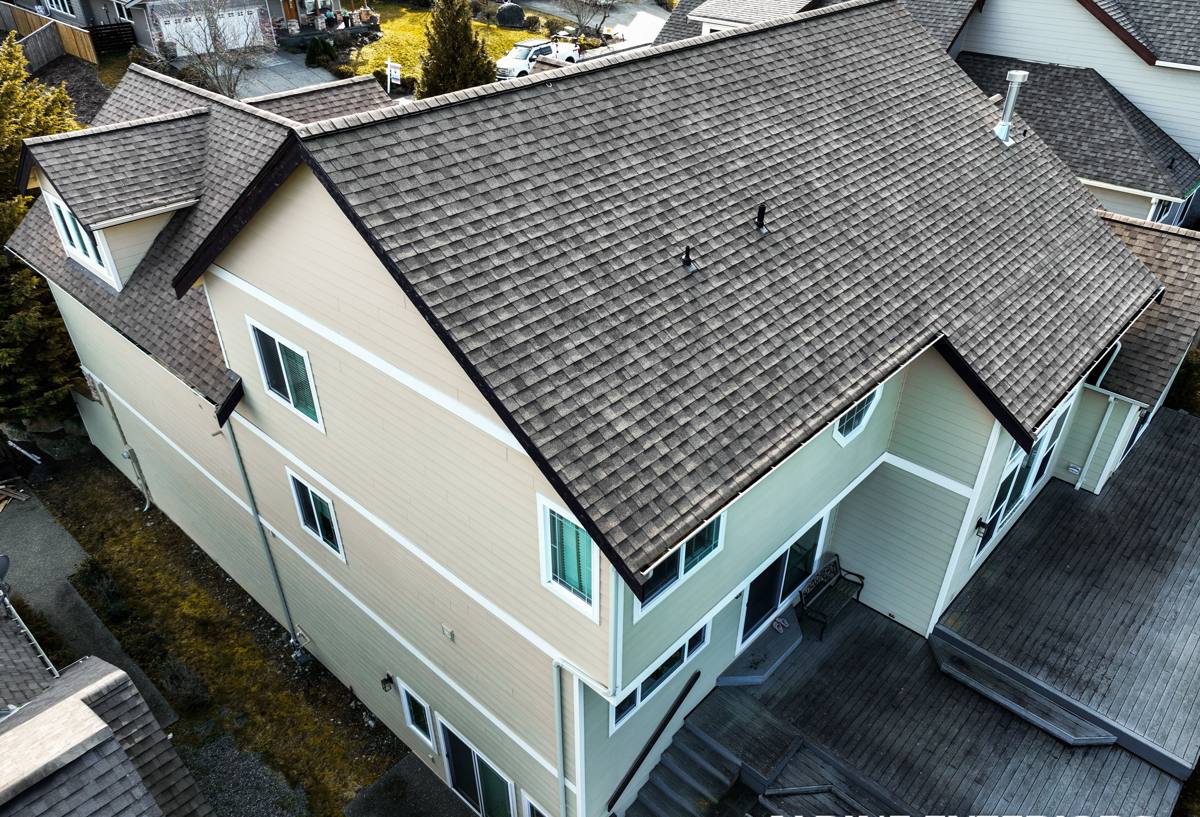
What Salt Air, Sun, and Storms Actually Do to a Deck
It helps to understand the specific stresses a Davis Islands deck deals with, because they're different in degree from a deck built a few miles inland in Hillsborough County.
Salt Air and Corrosion
Airborne salt from the bay accelerates corrosion on anything metal — fasteners, joist hangers, railing brackets, and structural screws. On an inland deck a lower-grade fastener might last for years before showing rust. On an island property, that same fastener can start corroding much sooner, and a corroded fastener buried under a composite board is a hidden problem until it fails.
UV Exposure Over Open Water
Sun reflecting off open water adds to the UV load a deck already takes from directly overhead. Cheaper composite boards, or boards without real UV-stable capping, can fade unevenly or become brittle faster in this kind of exposure. It's one of the reasons board selection matters more here than it might elsewhere.
Wind-Driven Rain and Storm Loads
Hillsborough County sees its share of tropical systems, and a barrier-adjacent, waterfront community like Davis Islands takes wind and wind-driven rain more directly than a sheltered inland lot. Rain doesn't just fall on a deck here — it's pushed sideways into railings, gaps, and ledger connections. A deck that isn't properly flashed and drained will hold water in places you can't see, which leads to hidden rot in the substructure even when the composite boards on top look fine.
Composite Decking Compared to Other Materials for This Climate
We install composite for most Davis Islands projects, but it's worth being honest about the trade-offs against other common decking materials so homeowners can make an informed call.
| Material | Salt Air / Moisture Behavior | Maintenance | Typical Lifespan Here |
|---|---|---|---|
| Composite (capped) | Resists rot and moisture absorption; won't corrode or rust | Periodic washing; no sealing or staining | 25-30+ years |
| Pressure-treated wood | Absorbs moisture, prone to cupping and splintering near saltwater | Annual sealing/staining required | 10-15 years with upkeep |
| Tropical hardwood | Naturally dense and rot-resistant, but still needs oiling to prevent graying/cracking | Regular oiling; higher material cost | 20-25 years with upkeep |
| Uncapped composite | More prone to moisture wicking at cut edges and surface fading | Lower, but edge sealing recommended | 15-20 years |
Composite isn't automatically the right answer for every homeowner or every budget, but for a deck that's going to sit exposed to bay air and full sun with minimal upkeep, it's generally the most predictable long-term performer of the group.
What a Correct Composite Decking Installation Involves
The composite boards themselves get most of the attention, but the substructure and details underneath are what actually determine how the deck performs in this environment.
Framing and Fasteners
We frame with corrosion-resistant, coastal-rated fasteners and hardware rather than standard-grade hardware, specifically because of the salt air exposure common on the island. Joist hangers, structural screws, and any ledger bolts get the same treatment — it costs more up front than builder-grade hardware, but it's the difference between a frame that's still sound in fifteen years and one that's quietly corroding under boards that still look new.
Ventilation and Drainage
Composite decking needs airflow underneath it to manage humidity and prevent moisture from getting trapped against the frame. We plan joist spacing, board gapping, and any skirting with ventilation in mind, and we grade and flash the structure so wind-driven rain has somewhere to go instead of pooling against the house or around footings.
Railings, Fascia, and Finishing Details
Railing posts and fascia boards take direct weather exposure and are often where a deck shows its age first. We use hardware and post connections rated for the same coastal exposure as the rest of the structure, and we pay attention to how fascia boards are fastened so they don't trap water against end grain or cut edges, which is where composite boards are most vulnerable to moisture intrusion over time.
Waterfront and Elevated-Home Considerations
A number of homes on Davis Islands are built at or near flood elevation requirements, and decks attached to elevated homes or built close to seawalls and the water's edge come with their own considerations. Ledger connections to an elevated home need to be engineered for the actual structure they're attaching to, not just built to a generic spec. Decks closer to the water's edge also see more direct salt spray and humidity, which reinforces the case for corrosion-resistant hardware and capped composite boards rather than cutting corners on materials that will be exposed to the harshest conditions on the property. If a permit or flood-zone review applies to your project, we handle that as part of the process rather than leaving it for the homeowner to sort out separately.
Our Process, From Estimate to Finished Deck
We keep the process straightforward because homeowners on Davis Islands are usually juggling a specific space, a specific view, and sometimes an existing structure that needs to be removed first.
- On-site assessment: We look at the existing structure (if there is one), the home's elevation and ledger connection, sun and wind exposure, and drainage on the lot.
- Design and material selection: We walk through composite board options, color, and layout, and talk through any railing or code requirements for the space.
- Permitting: We handle the permit process through Hillsborough County or the City of Tampa as required for the scope of work.
- Demo and framing: Any old decking is removed, and the frame is built or reinforced with coastal-rated hardware.
- Decking, railing, and finish work: Boards are installed with proper gapping and fastening, followed by railings and any fascia or trim.
- Final walkthrough: We go over the finished deck with the homeowner, including basic care expectations, before calling the job complete.
Composite Board Options We Work With
There are several established composite decking manufacturers on the market, generally falling into capped polymer composite and capped wood-composite hybrid categories. We don't push a single brand as the only acceptable option — the right choice depends on budget, color preference, and whether a homeowner wants a wood-grain look or a more uniform, modern finish. What we do insist on is capped composite over uncapped for anything installed on Davis Islands, since the cap layer is what actually holds up against the combination of salt air and constant UV exposure this location gets. We'll walk through the specific product lines and their warranty structures during the estimate so you're comparing real options, not marketing claims.
Keeping a Composite Deck in Good Shape Near the Water
Composite decking is genuinely low-maintenance compared to wood, but "low-maintenance" doesn't mean "no maintenance," especially this close to the bay.
- Rinse or wash the deck surface periodically to clear salt residue, pollen, and organic buildup before it can stain the boards.
- Keep gaps between boards clear of debris so water and airflow aren't blocked.
- Check railing posts and fascia connections once a year for any looseness or early corrosion at hardware points.
- Trim back any landscaping that's shading the deck constantly and keeping moisture from drying out between rains.
- Address any standing water on or under the deck promptly — it's usually a sign a drainage detail needs attention, not just a one-time cleanup.
Why It Matters to Hire a Crew That Already Works on Davis Islands
A lot of what separates a deck that lasts on Davis Islands from one that needs early repairs isn't visible on install day — it's the fastener grade, the flashing detail, and the drainage plan buried under the boards. A crew that's only worked inland Tampa or Hillsborough County jobs may not default to coastal-rated hardware or think through salt air exposure the way a crew that works this island regularly will. We've seen what happens to decks built without those details in mind, and we build accordingly from the start rather than treating it as an upgrade option.
If you're planning a new composite deck, replacing an aging wood deck, or want a second opinion on a deck that isn't holding up the way it should, we're happy to take a look and put together a straightforward estimate. There's no pressure and no obligation — just an honest assessment of what your space and budget can support.