 Tampa Siding
 Deck Building on Davis Islands: A Different Job Than Inland Tampa
Davis Islands is a waterfront community just south of downtown Tampa, made up largely of canal-front and bay-front homes on land that sits close to sea level. A deck built here isn't doing the same job as a deck built on a dry inland lot in Hillsborough County. It's dealing with salt-laden air moving off the water almost daily, direct sun with very little seasonal break, sudden wind loads during storms, and a foundation environment where drainage and moisture management matter more than they would a few miles inland. Building a deck that holds up on Davis Islands means designing and installing for that specific set of conditions from the footings up, not just picking attractive decking boards and calling it done.
We build decks for homes throughout Davis Islands and the surrounding Tampa waterfront, and this page focuses on that one job in this one setting: what a Davis Islands deck actually needs to hold up, what correct construction looks like here, and how we approach the work.
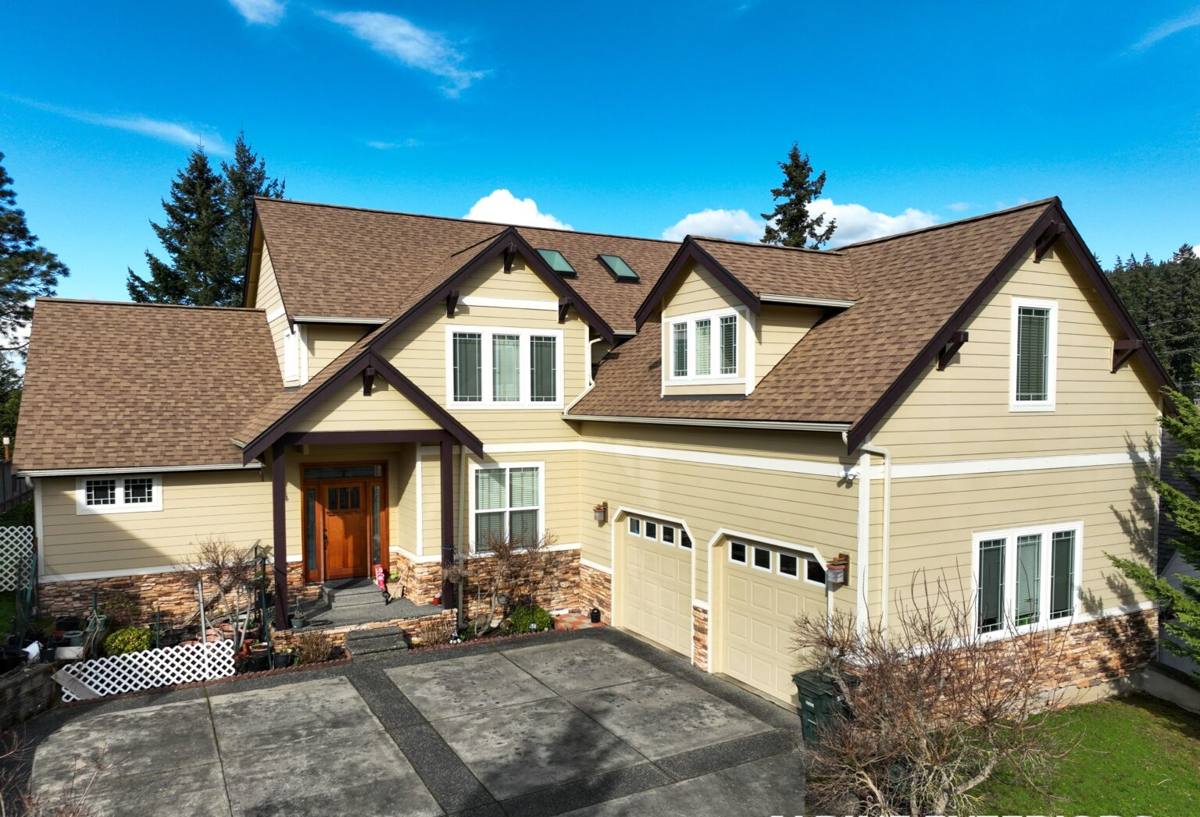
What Tampa's Climate Does to a Waterfront Deck
Salt Air and Corrosion
Proximity to open water means the air around a Davis Islands home carries a steady mineral and salt content, even on lots that aren't directly on a canal. Salt-laden air accelerates corrosion in any exposed metal — fasteners, joist hangers, railing hardware, post bases — faster than the same materials would degrade on a dry inland property. Standard construction-grade galvanized fasteners can start showing rust and pitting well before a deck's structural life is up if they weren't rated for this kind of exposure. That corrosion doesn't stay cosmetic forever; a corroding fastener is a weakening connection, and connections are what keep a deck attached to itself and to the house.
Intense, Near Year-Round UV
Tampa gets strong sun for most of the year, and UV exposure breaks down finishes, fades color, and dries out wood fiber faster than homeowners moving here from a milder climate typically expect. Unfinished or under-maintained wood decking checks and splinters sooner under this sun angle, and even UV-stabilized composite products vary in how well they hold color and surface texture over time. Whatever material goes down, the UV load here needs to factor into the choice, not get treated as an afterthought.
Wind-Driven Rain and Sudden Storms
Hillsborough County sees frequent, often sudden, thunderstorms for a good part of the year, on top of hurricane season risk. Rain here doesn't always fall straight down — wind pushes it sideways into the ledger board connection where a deck ties into the house, into railing post bases, and into any gap where water can collect instead of drain. A deck built without deliberate drainage and flashing detailing at that house connection is exactly the kind of project that looks fine for a season or two and then starts showing rot or staining at the band board behind the siding.
Humidity and Standing Moisture
Between the water surrounding Davis Islands and Tampa's general humidity, a deck's underside and framing rarely get a long, uninterrupted dry stretch. Boards installed too tight, framing set too close to grade, or a structure without enough airflow underneath all stay damp longer than they should, which is exactly the condition that speeds up rot in wood components and encourages mildew growth on any surface.
Termites and Ground-Contact Framing
Hillsborough County has a well-documented, active termite presence, and a deck's structural framing — posts, beams, and any wood in or near ground contact — is exactly the kind of target subterranean termites look for. This matters more on a waterfront lot where soil moisture tends to run higher, since damp wood near grade is more attractive to termites than dry framing. Untreated lumber, or treated lumber that isn't rated for the specific ground-contact or above-ground application it's used in, is a real vulnerability here, not a hypothetical one. Correct framing means using lumber rated for its actual exposure, keeping structural wood clear of standing moisture where the design allows it, and not treating termite pressure as something to deal with after the fact.
Choosing Decking Material for a Davis Islands Property
There's no single right answer for every homeowner — budget, maintenance appetite, and the look you want all factor in. What matters is understanding how each option actually performs in this specific waterfront, high-UV, high-salt environment before deciding.
| Material | UV & Salt Air Behavior | Maintenance | Typical Considerations |
|---|---|---|---|
| Pressure-treated pine | Fades and can check under sustained sun; needs a protective finish to perform | Regular sealing/staining, more often near saltwater | Lowest upfront cost; highest ongoing upkeep |
| Tropical hardwood (e.g. ipe) | Naturally dense and durable, but still needs periodic oiling to hold color | Moderate; oiling schedule matters more in full sun | Higher material cost, long structural life if maintained |
| Capped composite decking | UV-stabilized cap resists fading and moisture absorption better than uncapped boards | Low; occasional cleaning | Higher upfront cost, minimal refinishing |
| Uncapped/base composite | More prone to surface fading and moisture uptake at cut edges over time | Low to moderate | Mid-range cost; check manufacturer warranty terms for coastal use |
Whatever decking material a homeowner chooses, we're honest about the maintenance schedule that comes with it in this climate. A low-maintenance claim on a product tag doesn't mean zero maintenance on a home that sits in salt air and full Florida sun most of the year.
Fasteners and Hardware
The decking board is only part of the equation. Joist hangers, structural screws, post bases, and railing hardware all need to be rated for coastal or salt-air exposure — typically stainless steel or a coating specifically rated for that environment, not standard construction-grade galvanized. On a Davis Islands deck, hardware choice is a structural decision, not a finishing detail, because corroded connectors are one of the more common hidden failure points we find on older waterfront decks during inspections and rebuilds.
Structural Requirements: Wind, Footings, and the Ledger Connection
Florida's building code accounts for wind loads that are higher than most of the country, and Hillsborough County enforces that standard on new deck construction. On a waterfront lot like Davis Islands, that translates into a few non-negotiable details:
- Footings sized and set to the depth the local code and soil conditions require, not a generic minimum
- Hurricane ties or rated connectors at key structural joints, not just nails or basic screws
- A ledger board attachment to the house that's properly flashed and through-bolted, with flashing that actually sheds water away from the band board and rim joist behind it
- Joist spacing and beam sizing engineered for the actual span and decking load, not just what's convenient
- Railing height and baluster spacing that meets code, with corrosion-resistant hardware throughout
The ledger connection deserves particular attention on a waterfront home. It's the single point where the deck structure meets the house, and if water gets behind the ledger board because flashing was skipped or done poorly, the resulting rot happens out of sight — often not discovered until siding or interior damage shows up well after the fact. On a property already dealing with high ambient humidity, that's not a detail worth cutting corners on.
Permitting and Working Near the Water
New deck construction on Davis Islands generally requires a permit through the City of Tampa, and depending on the property's proximity to the canal or bay, there can be additional considerations around setbacks, flood zone requirements, and how close structural elements can sit to a seawall or water line. Homes on barrier and dredged land like Davis Islands are also more likely to fall within a mapped flood zone, which can affect footing depth, elevation requirements, or how a deck ties into an existing structure. We pull the required permits, coordinate inspections, and build to what the code actually requires for the specific lot — not a generic spec that happens to work most places but skips what a waterfront property specifically calls for.
Our Deck Building Process
We start with an on-site walk of the property to look at grade, drainage, sun exposure, proximity to water, and how the deck will tie into the existing house structure. From there, we put together a clear written scope covering materials, structural design, and timeline before any work begins. During construction, footings, framing, and the ledger connection get built and inspected to code before decking and railings go on top — those structural steps are what determine whether the finished deck actually holds up to Tampa Bay conditions, not just how it looks on day one. We walk the finished deck with the homeowner at the end and go over basic maintenance for whatever material was installed, since even low-maintenance decking benefits from an occasional cleaning in this climate.
Signs an Existing Deck Needs Attention
For homeowners with an existing deck on Davis Islands, a few warning signs are worth acting on before they become bigger problems:
- Soft or spongy spots in decking boards, especially near the house connection or post bases
- Visible rust staining on fasteners, railing hardware, or joist hangers
- Gaps, cracking, or separation where the deck meets the house siding or band board
- Railing posts that feel loose or move under light pressure
- Standing water that doesn't drain from the deck surface after normal rain
- Discoloration or a persistent musty smell near the deck's underside framing
Any of these can point to moisture getting into places it shouldn't, and in a termite-active county, damp structural wood is exactly what draws unwanted attention. Catching these early is almost always cheaper than waiting for a full structural failure.
Why a Local Davis Islands Crew Matters
Davis Islands homes vary block to block in how exposed they are — a canal-front lot with direct water views deals with more salt air and wind exposure than a home set back a couple of streets from the shoreline, even though both are technically on the island. A crew that regularly works this specific neighborhood already understands that variation, knows what the City of Tampa's permitting process actually requires for waterfront construction, and builds hardware and drainage decisions around the real exposure of each lot instead of applying one generic mainland spec to every project. That local familiarity is what separates a deck that looks good for a season from one that's still structurally sound a decade or two later.
A Simple Checklist Before Hiring a Deck Builder on Davis Islands
- Ask whether they pull permits and coordinate inspections through the City of Tampa themselves
- Confirm current Florida contractor licensing and active liability insurance
- Ask what fastener and hardware grade they use, and whether it's rated for coastal/salt-air exposure
- Ask how they detail and flash the ledger board connection where the deck meets the house
- Get a clear, written scope of work, materials list, and timeline before signing anything
If you're weighing options for a new deck or need an honest read on an existing one, we're happy to walk the property with you and talk through what it actually needs for a Davis Islands waterfront setting. Reach out below for a free, no-pressure estimate.