 Tampa Siding
 Siding on an Island Community Faces a Different Set of Problems
Davis Islands sits differently than most Tampa neighborhoods — homes here are surrounded by water on multiple sides, which means the siding on these houses takes on a heavier combination of stresses than siding a few miles inland. Salt-laden air moves across the property nearly every day of the year, humidity stays high for most of the year, and there's little in the way of tree cover or elevation change to break up wind coming off the water. When we're asked to install siding on Davis Islands, we treat it as a waterfront job, not a standard residential job, because the exposure is genuinely different.
That distinction matters because a lot of siding failures aren't really installation failures — they're mismatches between the product and the environment it was asked to survive. A siding system that performs fine in a shaded, inland subdivision can degrade years faster on an island lot facing open water. Getting this right starts with picking a material built for the exposure, not just picking a look.
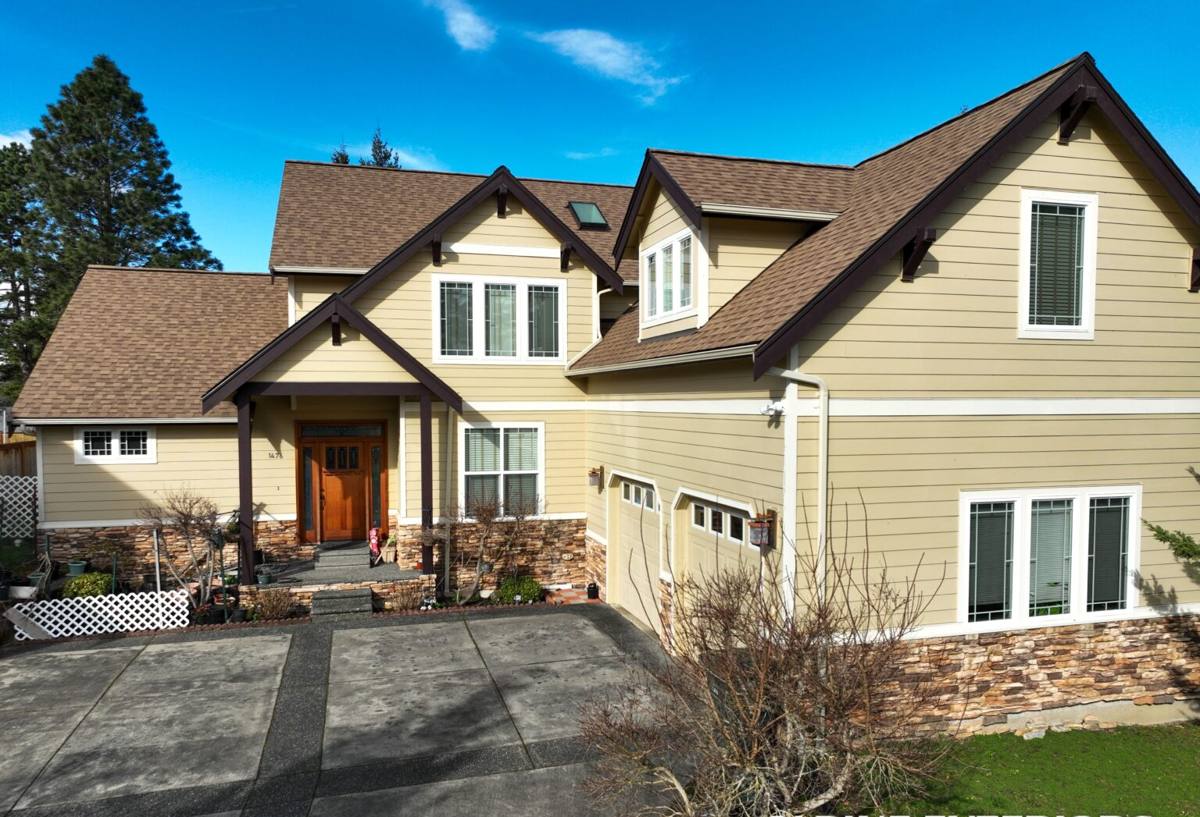
The Climate Factors Driving Every Decision We Make Here
Hurricane-Force Wind and Wind-Driven Rain
Hillsborough County sits squarely in a hurricane-exposed part of the Gulf coast, and waterfront lots like the ones on Davis Islands catch wind with less obstruction than inland streets. During tropical systems, wind doesn't just push against siding — it drives rain sideways and forces water up and under panels, seams, and trim. Siding on this kind of lot needs a fastening pattern and a water-management system engineered for sustained high wind, not just a nailing schedule pulled from a generic install guide.
Intense, Year-Round UV
Florida sun is strong all twelve months of the year, and a waterfront exposure with reflected light off open water adds to it. Siding finishes that aren't formulated to resist UV will fade, chalk, or need repainting well before a homeowner expects it. This is one of the most common reasons we see complaints about siding that's only a few years old.
Salt Air
Salt air accelerates corrosion in fasteners and trim, and it can be harder on certain siding substrates and paint systems than plain humidity alone. On an island property, salt exposure is a daily condition, not an occasional storm event, so every component — the siding, the fasteners, the trim, the caulk — needs to be selected with that in mind.
Why We Only Install James Hardie Fiber Cement on These Homes
We don't offer vinyl, LP SmartSide, Cemplank, Allura, or primed wood siding — not because those products don't have a place in the industry, but because we made a standard for our own company and we hold to it on every job, including waterfront ones like Davis Islands. Vinyl can warp and become brittle under sustained UV and heat cycling, and its seams and fastening system aren't our first choice for a property exposed to consistent high wind. Engineered wood products depend on an intact factory coating and careful field sealing at every cut edge to keep moisture out over time — miss one detail during install or years of maintenance and moisture can get into the substrate. Those are real, honest trade-offs, not defects, but they're trade-offs we don't want to carry on a home facing this kind of exposure.
James Hardie fiber cement is cement, sand, and cellulose fiber — it doesn't burn, it doesn't warp in heat, and it holds paint and factory finishes differently than wood-based or vinyl products because it's dimensionally stable across humidity and temperature swings. Hardie's HZ5 product line is specifically engineered for high-humidity, high-moisture climates like ours, and the ColorPlus factory finish is baked on and warranted separately from the substrate, which matters in a market where UV fade is a real concern. It's also a non-combustible product, which is worth noting on any home near vegetation or close-set island lots.
What a Correct Siding Installation Actually Involves
The siding itself is only part of the system. A large share of failures we're called out to inspect trace back to what's underneath the siding, not the siding material itself.
Water-Resistive Barrier and Flashing
Every wall needs a continuous water-resistive barrier installed correctly, with flashing integrated at every window, door, and penetration so water is directed out and down rather than trapped behind the cladding. On a wind-driven-rain site like Davis Islands, this layer is doing real work during every named storm that passes through the bay.
Fastening Pattern and Clearances
James Hardie publishes specific fastener types, spacing, and embedment requirements, and those specs change based on wind exposure category. We also hold to Hardie's minimum clearances — from grade, roofing, decks, and other flatwork — because closing that gap is one of the most common causes of moisture wicking into the bottom of a wall.
Caulking and Joint Treatment
Butt joints, trim intersections, and penetrations get sealed with a product and technique matched to Hardie's specifications. Skipping or rushing this step is invisible on install day and shows up as a moisture problem two or three years later.
- Old siding and water-resistive barrier fully removed and the sheathing inspected for hidden rot before anything new goes up
- Any damaged sheathing repaired — not covered over — before the new barrier is installed
- Continuous water-resistive barrier installed with correct overlaps and integrated flashing at every opening
- James Hardie panels or lap siding installed to the manufacturer's fastening schedule for our wind exposure
- Correct clearances held at grade, roofline, and any attached decks or flatwork
- All joints, trim, and penetrations sealed per Hardie's written specifications
- Final walk-through with the homeowner before the job is marked complete
How We Approach a Davis Islands Project Specifically
We start every waterfront job with an exterior inspection that looks past the surface — checking for soft spots, existing moisture damage, and problem areas around windows, trim, and low-clearance zones common on island and canal-front lots. From there we put together a plan that accounts for the home's specific exposure: a wall facing open water gets treated differently than a more sheltered side of the same house.
Tear-off is done back to the sheathing so we can actually see what's underneath rather than guessing. Any repairs get made before the new barrier and siding go on — this is the step that's easiest to shortcut and the one that causes the most expensive problems down the road if it's skipped. Installation follows Hardie's published specifications for our region, and we do a final inspection focused on the details that matter most in this environment: flashing, clearances, and joint sealing.
What Drives the Cost of a Siding Job on an Island Lot
| Cost Factor | Why It Matters on Davis Islands |
|---|---|
| Extent of existing damage | Waterfront and salt-air exposure can hide rot behind intact-looking siding, which isn't known until tear-off |
| Home size and wall complexity | Multiple stories, dormers, and architectural detail all add labor and trim work |
| Siding profile chosen | Lap siding, panel systems, and trim/batten combinations carry different material and labor costs |
| Access and site conditions | Waterfront lots, seawalls, and tight setbacks can affect staging, scaffolding, and material delivery |
| Trim and detail work | Corner boards, window trim, and fascia detailing add time but are central to long-term water management |
| Color and finish | Factory ColorPlus finishes cost more upfront than field-painted trim but hold up better against UV and salt exposure |
We don't quote a job until we've actually inspected the home, because guessing at condition or complexity from the street leads to bad numbers and worse surprises mid-project.
Why It Matters to Hire a Crew That Already Works This Neighborhood
A contractor who mostly works inland subdivisions may not think about salt-air fastener corrosion, wind-driven rain intrusion at trim details, or the clearance issues common on tighter waterfront lots — because they don't run into those conditions as often. A crew that regularly works Davis Islands and similar Tampa Bay waterfront properties builds installation habits around those specific failure points instead of applying a generic approach and hoping it holds up.
It also matters for permitting and wind-rating documentation. Hillsborough County's building requirements for exterior work reflect our hurricane exposure, and a contractor familiar with local permitting moves through that process without the delays that come from unfamiliarity.
After Installation: What Keeps Hardie Siding Performing Here
Fiber cement siding installed correctly needs relatively little upkeep, but a waterfront home still benefits from periodic attention. Rinse salt residue off the siding surface periodically, especially after storm events, and keep an eye on caulked joints and trim intersections over time, since sealants are the one component that can wear before the siding itself does. Keep gutters and drainage clear so water is directed away from the base of the walls rather than pooling against them.
Get a Straight Answer About Your Home
If you're weighing a siding replacement on Davis Islands, we're glad to come take a look, walk you through what we find, and give you a straightforward, no-pressure estimate. There's no cost or obligation to have us out — just a clear look at what your home actually needs.