 Tampa Siding
 Why Temple Terrace Decks Take More Punishment Than the Plans Assume
Temple Terrace sits inside Hillsborough County along the Tampa Bay area's humid subtropical climate belt, and that climate is hard on outdoor structures in ways a generic deck plan doesn't account for. Hurricane-force wind gusts during storm season stress framing and connections. Intense, nearly year-round UV breaks down wood fibers and fades or chalks finishes faster than in cooler climates. Wind-driven rain during summer storms drives moisture sideways into ledger boards, railings, and fastener holes rather than just falling straight down. Add in salt-laden air pulled inland from Tampa Bay, high ambient humidity that keeps lumber damp for days after a storm, and the mature oak canopy found in many older Temple Terrace neighborhoods dropping leaves, acorns, and shade onto deck surfaces, and you have a structure that ages very differently than the same deck built in Ohio or Colorado.
None of this means a deck can't hold up for decades here. It means the material choices, fastener selection, framing details, and drainage need to be chosen for this specific environment, not pulled from a one-size-fits-all national plan set.
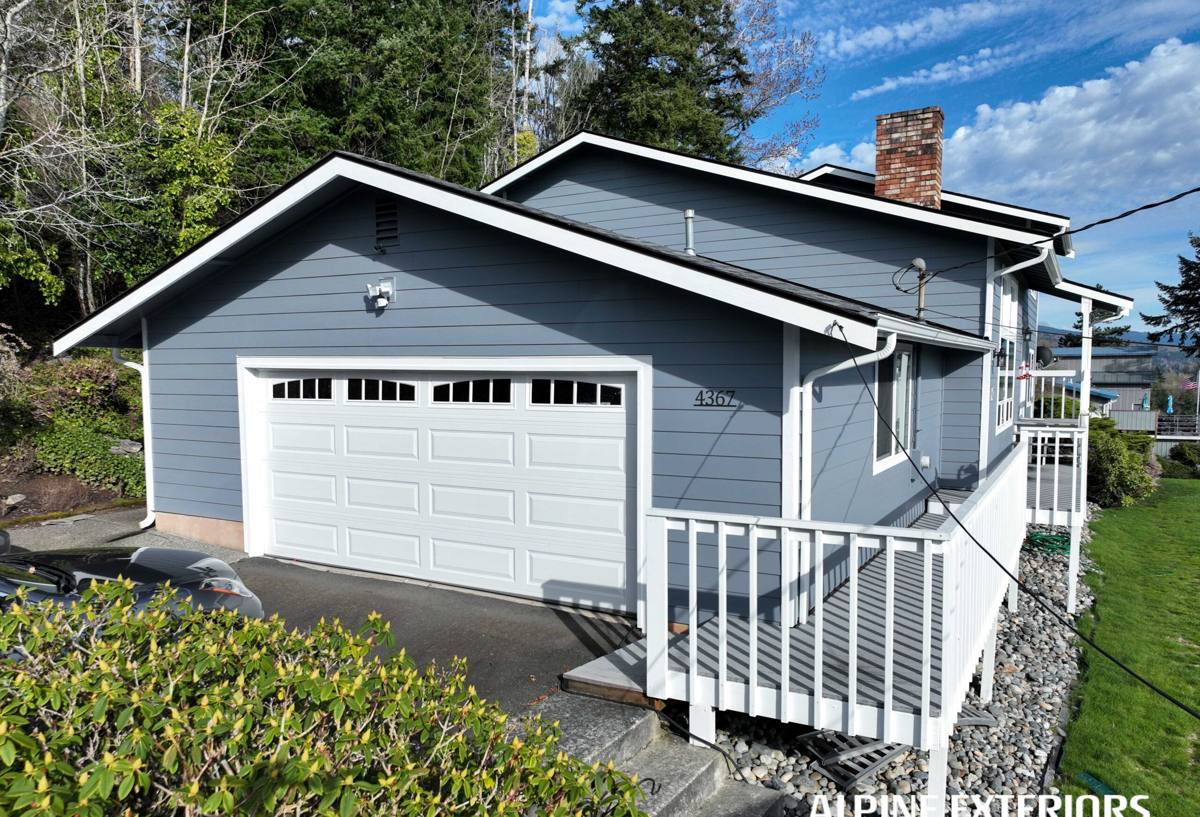
Picking a Decking Material That Won't Fight the Climate
Pressure-Treated Wood
Pressure-treated southern yellow pine remains the most affordable decking option and, when properly sealed and re-sealed on a regular schedule, performs well in Florida. The trade-off is maintenance: skipped sealing cycles let UV and moisture cycle the wood between wet and dry, which leads to cracking, cupping, and eventually rot at fastener points.
Composite and PVC Decking
Composite and cellular PVC boards cost more upfront but don't absorb moisture the way wood does and don't need annual sealing. Quality matters here — cheaper composites can still fade or chalk under intense Florida UV, so we favor products with proven UV-stabilized capping in this market rather than the lowest-priced option on the shelf.
Tropical Hardwoods
Dense hardwoods like ipe offer excellent durability and a premium look, but they're heavier, pricier, require specific fastening techniques to avoid splitting, and still benefit from periodic oiling to hold their color. We'll walk you through whether the added cost fits your goals for the space.
| Material | Upfront Cost | Ongoing Maintenance | How It Handles Tampa Bay Climate |
|---|---|---|---|
| Pressure-Treated Wood | Lowest | Annual/biennial sealing | Good if maintained on schedule; struggles if neglected |
| Composite/PVC | Mid to High | Occasional cleaning | Resists moisture and rot well; quality varies by brand |
| Tropical Hardwood | Highest | Periodic oiling | Very durable; needs correct fastening to prevent splitting |
Framing Built for Florida Ground and Florida Storms
The decking surface is what you see, but the framing underneath is what keeps a deck safe through a tropical storm or the next twenty years of humidity. In this area we pay close attention to a few details that matter more here than in drier, colder climates:
- Footings sized and set to reach stable soil, since sandy and mixed soil types common around Temple Terrace don't always compact the same way from one yard to the next.
- Post bases and hardware kept elevated off grade so wood posts aren't sitting in standing water after heavy rain.
- Ledger board attachment to the house done with proper flashing and a moisture barrier, since a poorly flashed ledger is one of the most common points of hidden rot on Florida decks.
- Joist spacing and beam sizing calculated for the actual span and load, not just copied from a generic plan, and built to the wind requirements that apply across the Tampa Bay area.
- Ground-contact-rated lumber used anywhere framing sits close to soil or is regularly exposed to splashing rain.
Fasteners and Hardware: Where Salt Air Does the Damage
Homeowners often focus on the boards and forget that fasteners and hardware fail first in coastal-influenced climates. Standard steel screws and joist hangers corrode faster here because of the combination of humidity and salt-bearing air moving in from Tampa Bay. We use stainless steel or coated fasteners rated for treated lumber contact, along with galvanized or stainless connectors at every structural point — post bases, joist hangers, and ledger bolts. Hidden fastener systems are also worth considering on composite and PVC decks, both for appearance and because they reduce the number of exposed metal points where corrosion can start. Cutting corners on hardware is one of the fastest ways to end up with a deck that looks fine on the surface but is quietly failing underneath.
Railings, Stairs, and Code-Driven Details
Railings and stairs are where a lot of DIY and budget deck projects fall short of code, usually not from carelessness but because the requirements aren't intuitive. Guardrails are required above a certain deck height, baluster spacing has to stay narrow enough that a small child can't pass through, and stair rise-and-run has to stay consistent step to step to prevent trips. Railing posts also need to be attached with hardware rated for the actual lateral load a person leaning on a rail would apply, not just decorative screws. We build every railing and stair system to meet the Florida Building Code requirements that apply in Temple Terrace, and we can walk you through exactly why each detail is built the way it is if you're curious.
Permits and Inspections in Temple Terrace
Temple Terrace is its own incorporated city rather than part of unincorporated Hillsborough County, which means permitting and inspections for most attached decks run through the City of Temple Terrace's own process rather than the county's. Most raised or attached decks require a permit, along with inspections at key stages such as footings, framing, and final completion. Skipping this step might save a little time upfront, but it creates real problems later — unpermitted work can complicate a home sale, cause issues with insurance claims after storm damage, and in some cases require the deck to be opened back up for inspection after the fact. Some Temple Terrace neighborhoods also carry HOA design guidelines on top of city permitting, and we factor those in during planning so there are no surprises mid-project.
Our Deck Building Process
We keep the process straightforward and communicate at every stage so you know what's happening and why:
- Site visit and assessment — we look at your yard, soil, drainage, sun exposure, and how the deck will connect to your home before recommending anything.
- Design and material selection — we go over the trade-offs between wood, composite, and hardwood honestly, based on your budget and how you'll use the space.
- Permitting — we handle the permit submission and scheduling of required inspections with the city.
- Site preparation and footings — footings are set to reach stable soil and positioned to keep posts out of standing water.
- Framing — ledger, beams, joists, and post bases go in with corrosion-resistant hardware and proper flashing at the house connection.
- Decking, railings, and stairs — surface material and railing systems are installed to code, with attention to fastener placement and finish.
- Final inspection and walkthrough — we schedule the city's final inspection and walk the finished deck with you, explaining any maintenance it needs going forward.
Keeping Your Deck Ready for the Next Storm Season
A well-built deck in this climate still needs periodic attention. A short annual check catches small problems before they become expensive ones:
- Check fastener heads and hardware for rust, popping, or corrosion, especially near the ledger board.
- Look for soft or spongy spots in wood decking, which can indicate trapped moisture or early rot.
- Clear leaves, acorns, and organic debris from between boards, since trapped debris holds moisture against the surface.
- Test railings and stair stringers for any looseness or wobble.
- Reseal pressure-treated wood on the schedule recommended for your specific product, typically every one to two years in this climate.
- Rinse composite or PVC decking periodically to prevent mildew buildup in shaded or humid areas of the yard.
- After any major storm, do a quick visual check of footings, posts, and railings before the deck sees heavy use again.
Why a Crew That Already Works Temple Terrace Matters
A deck built by a crew unfamiliar with this specific area is more likely to miss something — the wrong fastener grade, a ledger flashing detail skipped, a permit step overlooked because it's handled differently here than in the next county over. Working regularly in Temple Terrace means we already know how the city's permitting process runs, what soil and drainage conditions tend to look like in local yards, and how HOA guidelines in certain neighborhoods factor into design choices. It also means we've seen how decks in this exact climate actually hold up over time, not just how they're rated on paper. That local track record is what turns a deck project from a guess into a structure you can trust through hurricane season after hurricane season.
If you're planning a new deck or replacing one that's showing its age, we're glad to take a look and talk through honest options for your yard and budget. Fill out the form below for a free, no-pressure estimate.