 Tampa Siding
 Fiber Cement Siding Built for Seminole Heights Homes
Seminole Heights sits inland from Tampa Bay but still takes the full brunt of what a central Florida summer and hurricane season can throw at a house. The neighborhood's mix of older bungalow-style homes and newer infill construction means siding systems installed decades apart, in different conditions, by different crews — and it means the siding decisions homeowners make today have to hold up to the same punishing climate regardless of how old the house underneath is. We install James Hardie fiber cement siding specifically because it is engineered for exactly this kind of exposure, and because our crew already knows the quirks of working on Seminole Heights homes.
This page is about one job, done right, in one area: fiber cement siding replacement and installation for Seminole Heights properties. We are not going to give you a generic rundown of siding materials. We are going to explain what your home actually needs here, what a correct installation looks like, and why the details matter more than the marketing.
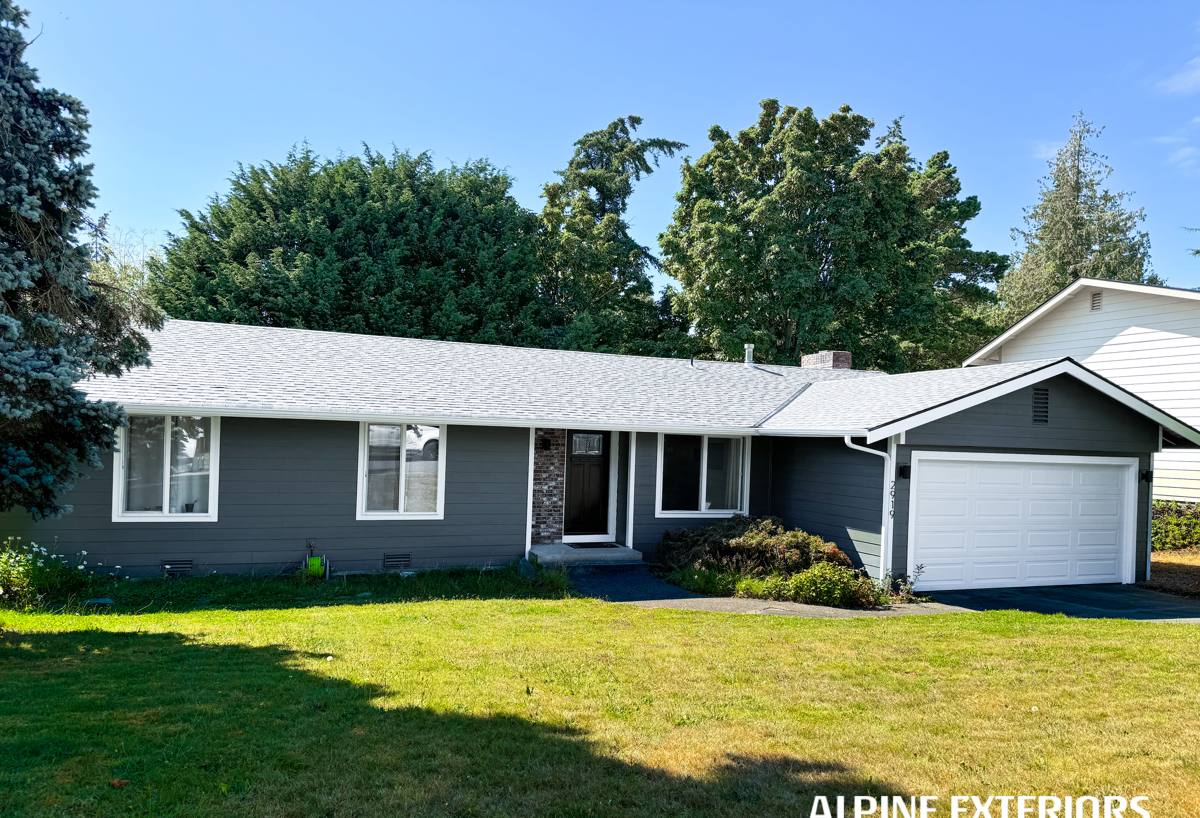
Why Tampa's Climate Is Hard on Siding
Hillsborough County isn't a mild climate for exterior materials — it's one of the more demanding regions in the continental U.S. for siding, and the reasons compound rather than operate independently.
Heat and UV
Tampa sees intense, near year-round UV exposure. Siding materials that rely on surface paint films or resin coatings — rather than a factory-baked finish — tend to fade, chalk, or become brittle faster here than in northern climates. UV breakdown isn't cosmetic only; it accelerates moisture intrusion once a protective layer degrades.
Wind-Driven Rain and Hurricanes
Seminole Heights isn't coastal, but it is well within reach of hurricane-force winds and the wind-driven rain that comes with tropical systems and seasonal storms. Wind-driven rain doesn't just fall — it gets pushed sideways and upward into laps, seams, and fastener points. Siding that isn't installed with the right clearances, flashing, and fastening pattern will let water in during exactly the storms it's supposed to protect against.
Humidity and Moisture Cycling
Central Florida's humidity means siding is almost never fully dry. Materials that absorb moisture and swell, or that trap moisture behind them without a way to dry out, are working against the climate every day of the year, not just during storms.
Salt Air Influence
Even away from the immediate waterfront, the Tampa Bay area's salt air affects fasteners, trim, and unprotected wood over time. It's a slower factor than wind or UV, but it adds up over the life of a siding system.
What This Means for a Seminole Heights Home Specifically
Seminole Heights has a lot of homes from the early-to-mid 20th century alongside newer builds, which means our crews regularly deal with two different starting points:
- Older homes: often have wood siding, sometimes over original sheathing that needs inspection once the old siding comes off. Rot, old nail patterns, and uneven wall planes are common and need to be addressed before new siding goes up — not covered over.
- Newer or previously re-sided homes: may already have house wrap or a prior siding system that needs to be evaluated for what's underneath it, especially if a previous installation trapped moisture.
In both cases, the goal is the same: a weather-resistant barrier, correctly lapped and sealed, with fiber cement siding installed over it to manufacturer spec — not just nailed up to look finished from the curb.
Why We Install James Hardie — and Only James Hardie
We standardized on James Hardie fiber cement siding and don't install vinyl, LP SmartSide, Cemplank, Allura, or primed wood siding like spruce or cedar. That's a deliberate professional standard, not a sales position, and it comes down to how each material actually performs in this climate over time.
| Factor | James Hardie Fiber Cement | Common Alternatives |
|---|---|---|
| Combustibility | Non-combustible material | Vinyl and wood-based products are combustible |
| UV / Finish Durability | Factory-baked ColorPlus finish, engineered for fade resistance | Field-applied or resin-based finishes fade and chalk faster under intense UV |
| Moisture Behavior | Dimensionally stable, doesn't swell or rot; HZ formulations engineered for humid climates | Wood-based products can absorb moisture, swell, and are vulnerable to rot |
| Wind/Impact Performance | Rigid, dense material holds up to wind-driven debris | Vinyl can crack, warp, or blow off in high wind if not correctly fastened |
| Warranty | Strong, transferable manufacturer warranty when installed to spec | Varies; often shorter or with more exclusions |
To be fair to the alternatives: vinyl is inexpensive and easy to install, and engineered wood products like LP SmartSide have real strengths in dryer climates. But in a market with Tampa's heat, humidity, salt air, and storm exposure, we've made the call that the trade-offs — moisture sensitivity, finish longevity, impact resistance — aren't worth it on the homes we put our name on. James Hardie's HZ5 product line is specifically engineered for high-humidity, hot-climate zones like ours, which is a large part of why we standardized on it.
What a Correct Fiber Cement Installation Actually Involves
Fiber cement siding is only as good as its installation. A rushed or spec-deviating install is one of the most common reasons homeowners have problems with fiber cement siding, and it's usually not a product failure — it's an installation failure. Here's what we do differently:
Tear-Off and Substrate Inspection
We remove the existing siding rather than installing over it, so we can actually see the wall — sheathing condition, any prior water damage, and the state of window and door flashing. Covering over hidden problems just delays and worsens them.
Weather-Resistant Barrier
A correctly lapped and sealed house wrap or weather-resistant barrier goes down before siding, with proper integration at windows, doors, and penetrations. This is the layer doing the real work of keeping wind-driven rain out of the wall assembly.
Clearances and Fastening
James Hardie specifies minimum clearances from grade, roofing, and decks, along with specific fastener types, spacing, and placement. These aren't suggestions — deviating from them is what causes premature failures and can void the manufacturer warranty.
Caulking and Trim Details
Butt joints, trim intersections, and penetrations get sealed with the right materials in the right places — not over-caulked to mask a bad fit, which traps moisture rather than shedding it.
Painting and Finish
ColorPlus prefinished siding comes factory-baked and doesn't need field painting, which removes a major point of premature fade in Florida's UV. For custom colors or trim work, correct field-applied products and techniques matter just as much as the material choice.
Our Process, Start to Finish
- Free on-site estimate: we walk the exterior, check the current siding and substrate where accessible, and talk through what your home actually needs.
- Written scope and product selection: James Hardie plank style, HZ product line, and ColorPlus finish selection based on your home and preferences.
- Tear-off: removal of existing siding and inspection of what's underneath.
- Repair as needed: any rotted sheathing, damaged framing, or flashing issues get addressed before new siding goes up.
- Weather barrier installation: correctly lapped and sealed house wrap.
- Fiber cement installation: siding installed to manufacturer clearance, fastening, and joint specifications.
- Trim, caulking, and final detailing: the finishing work that determines how the job weathers over years, not just how it looks on day one.
- Final walkthrough: we go over the finished job with you before calling it done.
Why a Local Seminole Heights Crew Matters
Siding work isn't one-size-fits-all, even within Tampa. A crew that regularly works Seminole Heights has already seen the range of substrate conditions common to the neighborhood's older housing stock, understands the permitting expectations in Hillsborough County, and knows how to sequence a job around Florida's rain patterns so a home isn't left exposed mid-project. That familiarity shows up in fewer surprises once tear-off starts and in a faster, tighter installation overall.
It also matters for warranty support after the job is done. A crew that's still working in your neighborhood next year and the year after is a crew that's accountable for what they installed — not a name that disappears after the final invoice.
Signs It's Time to Consider New Siding
- Visible warping, buckling, or gaps between siding panels
- Soft spots or a "give" when you press on the siding, which can indicate rot or moisture damage underneath
- Persistent paint failure or chalking that keeps returning after repainting
- Cracked or missing caulking at joints and trim that isn't holding a seal
- Rising energy bills that could point to a compromised wall assembly
- Visible storm damage after wind or heavy rain events
Any one of these on its own might be a minor repair. Several together, especially on an older home, usually mean it's worth having someone look at the whole wall system rather than patching symptoms one at a time.
Get a Free, No-Pressure Estimate
If your Seminole Heights home is due for new siding — or you just want an honest read on what shape your current siding is in — we're glad to come take a look. The estimate is free, there's no pressure, and we'll tell you straight what we see, whether that means a full replacement, targeted repairs, or nothing urgent at all. Use the form below to get started.