 Tampa Siding
 Roof Repair in Hyde Park: Built for a Tough Climate
Hyde Park sits close to the water in one of Tampa's oldest and most established neighborhoods, and that location comes with a trade-off. The same bay breezes and mature tree canopy that make the area pleasant also put extra stress on a roof. Hillsborough County sees intense, nearly year-round UV exposure, wind-driven rain during summer storms, hurricane-force gusts during tropical systems, and salt-laden air drifting in off Tampa Bay. Individually, none of these is unusual for Florida. Together, over years, they wear down roofing materials faster than homeowners moving from other parts of the country typically expect.
A roof repair here isn't just about patching a leak. It's about understanding how sun, wind, and moisture interact on this specific roof, in this specific neighborhood, and fixing the problem in a way that holds up through the next storm season instead of just the next dry spell.
Hyde Park's Housing Mix Changes What "Correct Repair" Looks Like
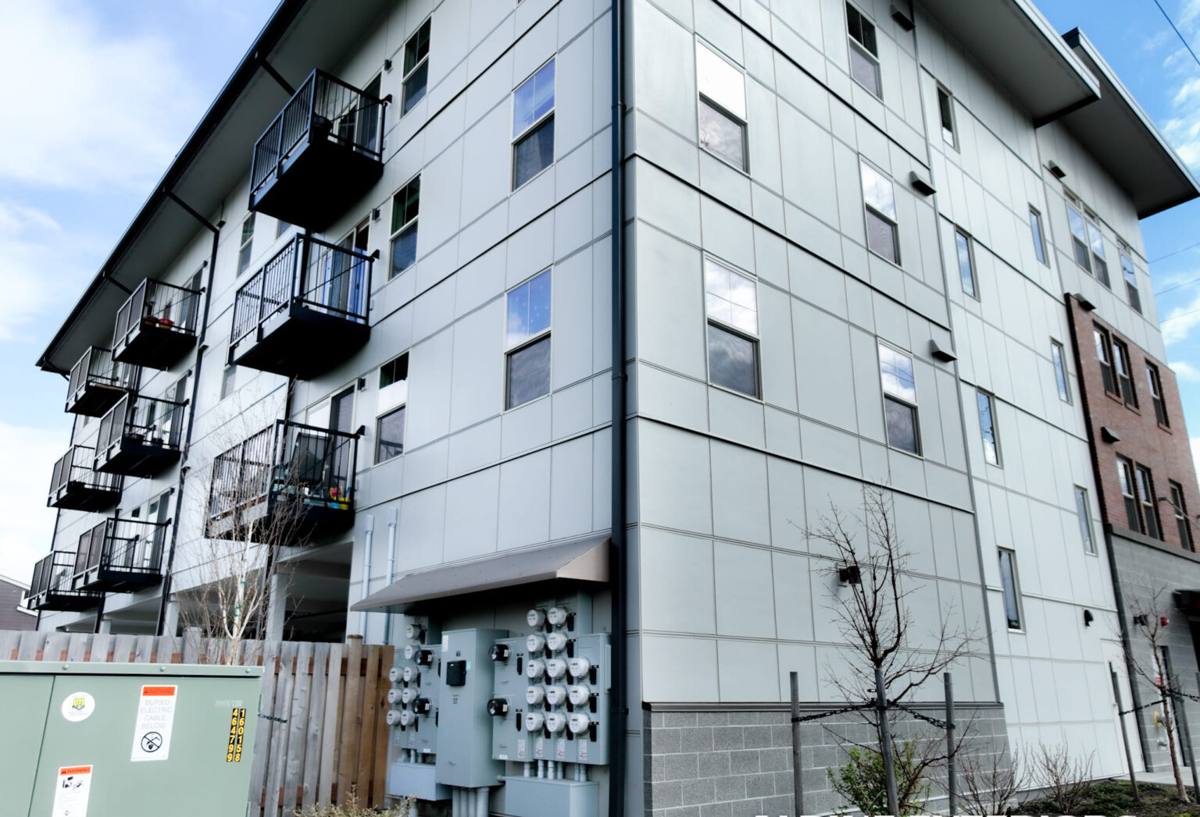
Hyde Park has a wider mix of roof ages and styles than a lot of newer Tampa subdivisions. Older bungalow and historic-district homes often carry roofing systems, decking, and flashing details that are decades old, sometimes updated piecemeal over the years. Newer builds and recent renovations nearby may have contemporary roofing systems with different underlayment and ventilation requirements. A repair crew working in this neighborhood needs to recognize the difference on sight and adjust the approach accordingly — what's correct for a 1990s reroof is not automatically correct for an older original roof deck.
The neighborhood's tree cover adds another variable. Overhanging branches shed leaves and debris into valleys and gutters, holding moisture against the roof surface longer than an open, sun-exposed roof would experience. That constant damp-dry cycling accelerates granule loss on shingles and can soften decking in shaded areas well before the rest of the roof shows wear. Any repair plan here has to account for where debris collects, not just where the leak is showing up inside the house.
Signs Your Hyde Park Roof Needs Repair
Most roof problems give warning signs well before they become emergencies. Catching them early is the difference between a modest repair and a much larger bill.
- Water stains on ceilings or upper interior walls, especially after heavy rain or wind-driven storms
- Missing, curled, cracked, or granule-bare shingles visible from the ground
- Soft spots or noticeable sagging anywhere on the roof plane
- Rusted, lifted, or visibly damaged flashing around chimneys, vents, or roof-wall intersections
- Daylight visible through the attic roof deck or boards
- Granules collecting in gutters or at downspout outlets
- Musty odors in the attic or top-floor rooms, a sign of trapped moisture
- Visible storm damage after high winds — lifted shingle edges, debris strikes, or displaced ridge caps
Any one of these on its own may not mean a full replacement is coming. But left alone, small issues compound quickly in this climate, since UV exposure and wind-driven rain don't give a damaged roof much of a break to "wait and see."
What a Correct Roof Repair Actually Involves
Inspection Before Anything Else
A proper repair starts on the roof, not just in the attic looking for the wet spot. We check the full roof surface, not only the area near the reported leak, because water travels along decking and underlayment before it shows up inside — the stain on your ceiling is often several feet from the actual entry point. We also check attic ventilation, decking condition, and flashing at every penetration, since a leak repaired at the surface without addressing what let water in underneath tends to come back.
Matching and Blending Materials
When shingles or roofing material need replacing in a section, matching the existing product as closely as possible matters for both appearance and performance. Mismatched or mismatched-age materials can create an uneven weathering pattern and, in some cases, affect how well the repaired section sheds water compared to the surrounding roof.
Flashing and Underlayment Details
Most roof leaks trace back to flashing, not the field of the roof itself — the metal or membrane detailing around chimneys, skylights, vent pipes, and wall intersections. A repair that doesn't address deteriorated flashing and, where necessary, underlayment beneath it is treating a symptom, not the cause. This is where a rushed repair fails and a correct one holds.
Sealing and Cleanup
Fasteners, seams, and penetration points get properly sealed with materials rated for sustained sun and moisture exposure, not a generic caulk that breaks down after a season or two of intense Florida UV. We also clear debris from valleys and gutters near the repair area as part of the job, since that's often part of what caused the problem in the first place.
Common Repair Types and What Drives the Cost
Every roof and every leak is different, but most repair calls in this area fall into a handful of categories. Actual cost depends on the extent of damage, roof pitch and access, and what's found once we're actually up there.
| Repair Type | Typical Cause | General Cost Factor |
|---|---|---|
| Localized shingle replacement | Wind damage, aging, granule loss | Low — small area, materials-driven |
| Flashing repair or replacement | Rusted, lifted, or improperly installed flashing | Moderate — labor-intensive detail work |
| Leak tracing and decking repair | Long-term hidden moisture damage | Higher — depends on decking condition once opened up |
| Post-storm emergency repair | Tropical system wind or debris damage | Varies — urgency and extent both factor in |
| Vent, pipe boot, or penetration reseal | Cracked rubber boots, deteriorated sealant | Low — quick, targeted fix |
We give a specific number after a physical inspection, not a phone estimate — roof damage is one of the few things that genuinely can't be priced accurately without eyes on it.
Repair or Replacement? How We Help You Decide
Not every damaged roof needs to come off. As a general rule, if the roof is younger, the damage is contained to a specific area, and the decking underneath is sound, repair is the honest recommendation. If we find widespread granule loss across the whole roof, multiple past repairs stacked on top of each other, soft decking in more than one location, or a roof nearing the end of its expected service life, we'll tell you that plainly and explain why a repair at that point is a short-term fix on borrowed time.
We don't have an incentive to push a replacement you don't need, and we don't have an incentive to patch a roof that should be replaced. Our recommendation is based on what the roof actually shows during inspection, and we'll walk you through what we found so the decision is yours to make with real information.
Our Process, Start to Finish
- Inspection: A full roof and attic assessment, not just a look at the reported problem area.
- Written findings and options: What we found, what's causing it, and what repair approach addresses it.
- Repair work: Matching materials where possible, correcting flashing and underlayment issues, and properly sealing all work.
- Cleanup: Debris, old materials, and job-site cleanup before we consider the work finished.
- Follow-up: A final check to confirm the repair is holding and answer any remaining questions.
Why a Crew That Already Works Hyde Park Matters
A roofing crew that regularly works in Hyde Park has already seen how this neighborhood's specific combination of tree cover, roof ages, and bay-adjacent salt air plays out on real roofs, year after year. That's different from general Florida roofing experience — it's knowing what tends to fail first on an older Tampa roof under heavy tree canopy, versus what fails first on a newer roof with more open sun exposure a few miles inland. That local pattern recognition shortens inspection time, sharpens the diagnosis, and reduces the chance of a repair that treats the wrong problem.
It also matters for permitting and code familiarity. Hillsborough County and City of Tampa roofing requirements, along with any historic-district considerations that can apply to older Hyde Park properties, are things a crew working this area regularly stays current on, rather than researching from scratch on your job.
Protecting Your Roof After the Repair
A correct repair should last, but a little upkeep extends that further in this climate. A few habits go a long way for Hyde Park homeowners specifically:
- Keep overhanging branches trimmed back from the roofline to reduce debris buildup and prolonged shade-driven moisture
- Clear gutters and valleys at least twice a year, more often if the property has heavy tree cover
- Have the roof looked at after any named storm or major wind event, even if no leak is visible yet
- Address small issues — a lifted shingle, a cracked pipe boot — as soon as they're noticed rather than waiting for a leak
- Keep attic ventilation clear, since trapped heat and moisture shorten roofing material life from underneath
None of this requires a professional visit every time, but it does mean the difference between one repair every several years and a slow string of avoidable ones.
Get a Free Estimate
If you're dealing with a leak, storm damage, or a roof that just doesn't look right anymore, we're happy to take a look and give you an honest assessment — no pressure, no obligation. Fill out the form below and we'll get back to you to schedule a time that works.