 Tampa Siding
 Siding Replacement in Hyde Park: A Neighborhood With Its Own Set of Demands
Hyde Park is one of Tampa's older, established residential neighborhoods, and that history is part of what makes it distinct — a mix of historic bungalows, updated homes, and mature tree canopy sitting close enough to Hillsborough Bay to catch the full range of what Gulf Coast weather can throw at an exterior. That combination puts specific, compounding stress on siding: hurricane-force wind gusts during storm season, intense year-round UV exposure that doesn't let up in any month, wind-driven rain that gets forced sideways into seams and joints instead of just running down a wall, and a steady dose of salt-laden air that works its way into fasteners and finishes over time.
None of that is unique to Hyde Park alone, but the neighborhood's older housing stock means a lot of homes are now reaching the point where their original or first-replacement siding is failing under the accumulated weight of that climate. A siding replacement done right here isn't just a cosmetic swap — it's a chance to correct whatever the original installation got wrong and put a product on the house that's actually built for what Hillsborough County weather does to an exterior wall.
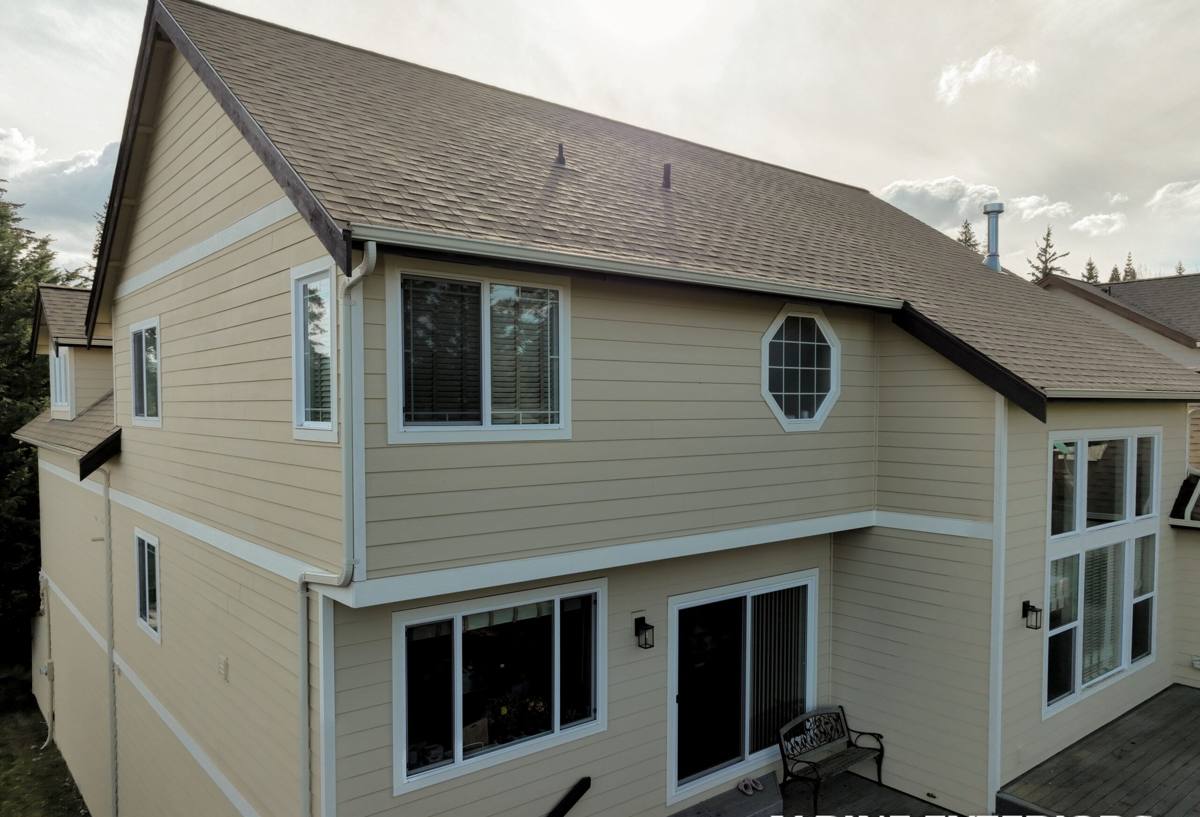
What Actually Fails on Siding in This Part of Tampa
Sun and Heat
Constant UV exposure breaks down paint films, pigments, and the surface of some siding materials faster than most homeowners expect. Chalking, fading, and color mismatch between the sunny and shaded sides of the same house are common, and softer materials can also warp or distort as they heat and cool through the day.
Wind-Driven Rain and Hidden Moisture
It's rarely a single downpour that causes damage — it's rain being driven horizontally under laps, around trim, and into caulk joints that have started to crack. Once water gets behind the siding, it can sit against the wall sheathing for weeks between drying spells, especially in Florida's humid air, and that's where rot and hidden framing damage start.
Salt Air and Fasteners
Even at a distance from the open Gulf, coastal air carries enough salt to accelerate corrosion on nails, staples, and metal trim over the years. Corroded fasteners lose their grip, which is often the real reason a section of siding starts to loosen, cup, or pull away from the wall long before the siding panel itself has actually worn out.
What a Correct Siding Replacement Actually Involves
Full Tear-Off, Not an Overlay
Installing new siding over old siding is faster and cheaper, but it traps whatever moisture or damage already exists underneath and creates an uneven surface for the new material to sit on. A proper replacement removes the old siding down to the sheathing so the wall can actually be inspected and corrected.
Sheathing and Framing Inspection
Once the wall is exposed, any soft, rotted, or water-damaged sheathing and framing needs to be identified and repaired before new siding goes up. Skipping this step is one of the most common ways a siding job looks fine for a year or two and then starts showing problems.
Weather-Resistive Barrier and Flashing
A correctly lapped weather-resistant barrier and properly integrated flashing around windows, doors, and penetrations is what actually keeps wind-driven rain out — the siding itself is the first line of defense, not the only one. This is also where a lot of lower-quality installations cut corners, because it's the part that's invisible once the job is finished.
Manufacturer-Spec Fastening and Clearances
Fastener type, spacing, and the gap left at the bottom of the wall and around trim all affect how well siding holds up to wind uplift and how well it sheds water. These specifications exist for a reason, and following them is what separates a durable installation from one that fails prematurely.
Why We Install Only James Hardie Fiber Cement
We made a decision as a company to install James Hardie fiber cement exclusively, and we don't install vinyl, LP SmartSide, Cemplank, Allura, or primed wood siding like spruce or cedar. That's not a marketing position — it's the product line we've found actually holds up to what Tampa and Hillsborough County weather does to an exterior wall over the long run.
Vinyl siding can soften and distort in sustained heat and is more vulnerable to cracking on wind-blown impact, and its appearance can degrade faster in intense UV than homeowners expect going in. Wood and wood-based products, even when factory-primed, are fundamentally organic materials that are vulnerable to moisture, rot, and insects in a humid climate — manageable with diligent maintenance, but that maintenance burden is real and ongoing. Fiber cement products vary too; James Hardie's HardieZone HZ5 line is engineered specifically for the moisture and humidity conditions of climates like Florida's, rather than being a general-purpose product used everywhere.
Hardie fiber cement is non-combustible, holds paint and factory finishes longer than most alternatives, and comes with a ColorPlus factory-applied finish option that resists fading and chalking better than field-applied paint. It also carries a strong, transferable limited warranty when installed to Hardie's specifications — which is exactly why correct installation matters as much as the product choice itself.
Our Process for a Hyde Park Siding Replacement
- On-site inspection and estimate. We look at the existing siding, trim, and any visible signs of moisture or damage, and walk you through what we find.
- Material and color selection. We help you choose the right Hardie plank, panel, or shingle profile and ColorPlus color for your home's style.
- Permitting. We handle the permit process with the local building department before work begins.
- Tear-off and disposal. Old siding comes off completely and is hauled away.
- Sheathing and framing repair. Any damaged wood underneath is replaced before new siding goes on.
- Weather barrier, flashing, and installation. New siding goes up following James Hardie's fastening, clearance, and flashing specifications.
- Trim, caulking, and finish work. Joints are sealed and trim is finished for a clean, consistent look.
- Final walk-through. We go over the finished job with you and address any punch-list items before calling it done.
Cost Factors for a Siding Replacement in Hyde Park
Every home is different, and we won't quote a number without seeing the house, but these are the factors that generally move a siding replacement estimate up or down.
| Factor | Why It Affects the Cost |
|---|---|
| Home size and wall area | More square footage means more material, labor, and disposal |
| Number of stories | Second-story and taller walls require more setup, staging, and time |
| Condition of existing sheathing | Hidden rot or water damage found during tear-off adds repair work |
| Trim and architectural detail | Older homes with more elaborate trim take more time to match and finish |
| Siding profile and finish choice | Plank, panel, and shingle profiles and factory finish options vary in material cost |
| Access and site conditions | Mature trees, tight lots, and fencing can affect staging and cleanup time |
Timeline and What to Expect During the Project
A typical single-family siding replacement runs from about a week to a few weeks, depending on the size of the home, the amount of sheathing repair needed, and weather delays — which in Tampa usually means working around the wetter summer months. Expect noise and some dust during tear-off, a work crew and material staging near the house for the duration, and dumpster or debris placement that we coordinate with you in advance, especially on lots with mature trees or tighter side yards, which is common in a neighborhood with as much established landscaping as Hyde Park.
We protect landscaping, walkways, and outdoor fixtures during the job and keep the site reasonably clean day to day rather than leaving debris to accumulate until the end.
Why Hiring a Crew That Already Works in Hyde Park Matters
A siding replacement is only as good as the crew doing the tear-off, the flashing details, and the fastening — and a company that already works in this part of Tampa knows the practical realities that come with it. That includes navigating narrower older lots, working carefully around mature tree canopy that many Hyde Park properties have, and matching trim and color choices that fit the mix of historic and updated homes in the area rather than making a house look out of place. It also means familiarity with Hillsborough County's permitting process, so that step doesn't become a delay.
Just as important is knowing what actually causes siding to fail in this specific climate, rather than applying a generic installation approach that might be fine somewhere with less wind, less UV, and less salt in the air.
Keeping Your New Siding Performing Once It's Installed
Correct installation gets you most of the way to a long-lasting exterior, but a little regular attention extends it further:
- Rinse the exterior periodically with a garden hose to clear salt residue and airborne grime — avoid pressure washing directly at caulk lines and seams
- Inspect caulking and joints annually, and especially after hurricane season, for cracking or separation
- Keep gutters clean so water doesn't overflow and run down the face of the siding
- Trim back vegetation and tree limbs so they aren't resting against or dropping debris on the siding
- Watch for soft spots or discoloration near the ground line, roofline, and around windows and doors
- Touch up or repaint per the finish type's recommended schedule if you didn't choose a ColorPlus factory finish
If your siding is showing its age or you're just starting to plan ahead, we're happy to take a look and put together a free, no-pressure estimate for your home — no obligation, just a straight answer about what we see and what it would take to do the job right.