 Tampa Siding
 Why Decks in Land O' Lakes Wear Out Faster Than People Expect
Land O' Lakes sits in the humid, storm-exposed belt of the greater Tampa Bay region, and that location is hard on any structure that lives outdoors year-round. A deck here isn't just furniture in the backyard — it's a wood or composite structure bolted to your house and exposed to sun, rain, and wind almost every single day of the year. Between the intense UV load, the wind-driven rain that comes through during Gulf storms and summer thunderstorms, and the salt-influenced humidity that drifts inland across the Tampa Bay area, decks in this region age differently than they would in a drier, milder climate.
Most homeowners don't think about their deck until a board flexes underfoot or a railing post wiggles. By that point, the damage is usually well past a quick patch. Our job is to look at the whole structure — not just the surface boards — and tell you honestly whether repair still makes sense or whether replacement is the smarter, safer move.
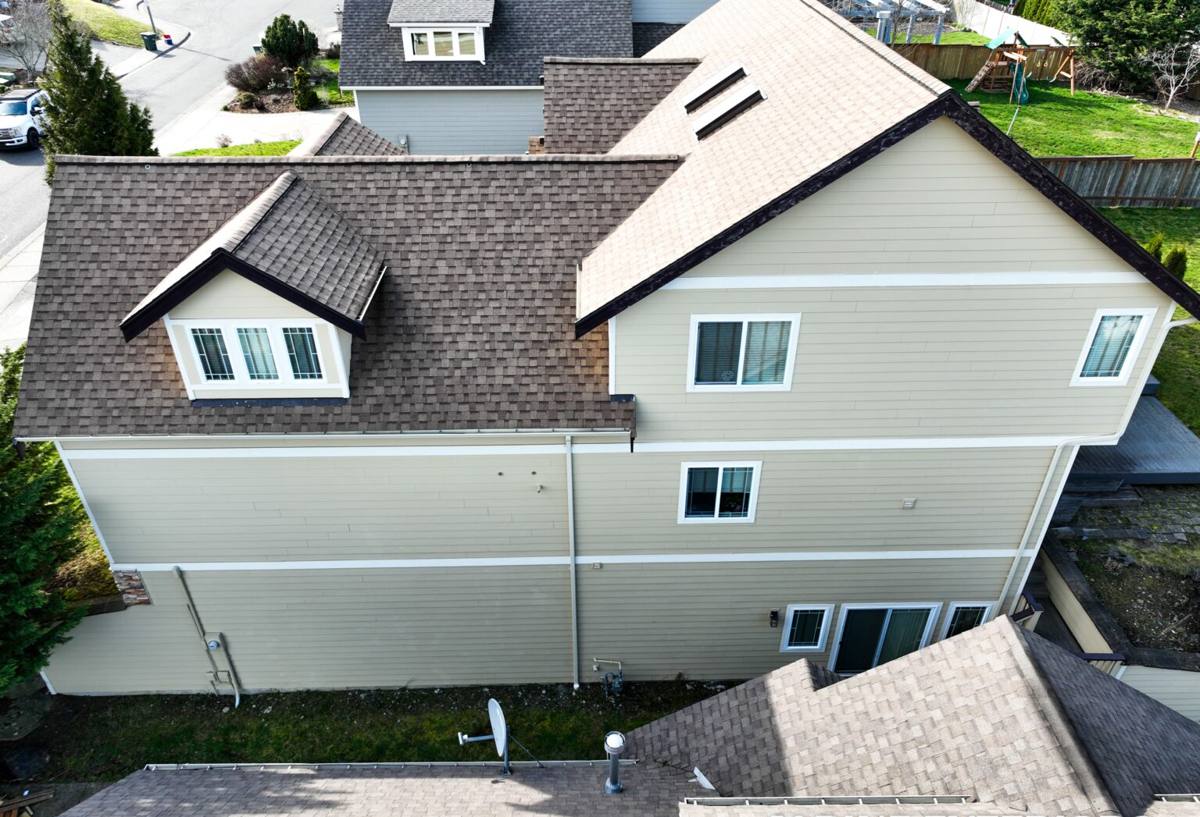
Signs a Deck Needs Replacement, Not Another Repair
Florida sun and moisture cycles don't fail a deck evenly. Some spots get shaded and stay damp longer; others bake all day and dry out the wood fibers. That uneven wear is why a deck can look mostly fine while hiding real structural problems underneath.
- Soft, spongy, or springy decking boards, especially near the house or in shaded corners
- Rust streaks or corrosion around fasteners, brackets, or the ledger board attachment
- Visible gaps opening between boards, or boards cupping and pulling away from joists
- Wobble in railing posts or stair stringers when you put weight on them
- Soft or discolored wood where the deck meets the house — a common sign of ledger board rot
- Footings that have shifted, cracked, or no longer sit flush with the posts above them
Any one of these can usually be repaired in isolation. Several of them together, especially involving the ledger board or footings, usually means the deck's working life is over and repair would just be delaying the inevitable while spending money twice.
The Ledger Board Is the Part Homeowners Miss
The ledger board — the piece that bolts the deck directly to your house — takes the brunt of Tampa Bay's wind-driven rain because water gets pushed sideways into that seam during storms instead of simply running off. When it rots or the flashing behind it fails, the whole deck's connection to the house is compromised, even if the rest of the structure still looks solid. This is one of the first things we check, and it's one of the most common reasons a deck that "looks okay" actually needs a full rebuild.
What a Correct Deck Replacement Actually Involves
A proper deck replacement is a lot more than pulling up old boards and screwing down new ones. Done right, it's a structural project, and every layer matters for how the deck holds up to Hillsborough and Pasco County weather over the next 15-25 years.
- Full demolition and inspection — removing the old deck down to the framing so we can actually see the condition of the ledger board, joists, posts, and footings, not guess at it
- Ledger board and flashing correction — proper flashing and fastening where the deck meets the house, since this is the single biggest source of hidden rot in this climate
- Footings sized for the load and soil — footings poured to local code depth and diameter, not just matched to whatever was there before
- Framing built for wind uplift — joist hangers, hurricane ties, and fastening patterns that account for Florida's wind-load requirements, not just standard framing
- Decking and railing installation — proper board spacing for drainage and expansion, and railing that meets code height and baluster spacing for safety
- Fastener selection — corrosion-resistant, coastal-rated fasteners and hardware appropriate for humid, salt-influenced air, not standard interior-grade hardware
Skipping any one of these steps is how a deck that looks great on day one starts showing problems in year three instead of year fifteen.
Choosing the Right Decking Material for This Climate
There's no single "best" decking material — there's a best material for your budget, your maintenance appetite, and how much direct sun and rain exposure your deck actually gets. We'll walk through the honest trade-offs rather than push whatever is easiest for us to install.
| Material | How It Handles Tampa Bay Weather | Maintenance | Typical Lifespan |
|---|---|---|---|
| Pressure-treated wood | Affordable, but UV and humidity cycles cause checking, graying, and warping without upkeep | Sealing/staining every 1-2 years | 10-15 years |
| Composite decking | Resists rot and doesn't absorb moisture like wood; some boards can fade or heat up under intense sun | Occasional washing, no sealing | 20-30 years |
| PVC/capped polymer | Fully sealed surface handles wind-driven rain and humidity well; among the most weather-stable options | Occasional washing | 25+ years |
| Tropical hardwoods | Naturally dense and rot-resistant, but installation is unforgiving and cost is high | Periodic oiling to maintain appearance | 20-25 years with upkeep |
Wood costs less up front but demands the most attention in a climate that never really gives it a rest between rain and sun. Composite and PVC cost more initially but shrug off moisture cycling in a way solid wood simply can't, which is why we see more homeowners in this area moving toward them for decks that get full sun or heavy rain exposure. Whichever direction you choose, we'll size the framing correctly underneath it — the decking material is only as good as what it's fastened to.
Our Deck Replacement Process
We keep the process straightforward so you know what's happening at every stage, from the first walkthrough to final cleanup.
- On-site evaluation — we inspect the existing deck's framing, ledger connection, and footings, and talk through what we're actually seeing
- Written estimate — a clear scope and price range based on your chosen materials and the structural work required, no vague allowances
- Permitting — we handle the permit application and inspections required for the jurisdiction your property falls under
- Demolition and disposal — full removal of the old structure, hauled off, not left in a pile in the yard
- Framing and structural work — new footings, framing, and ledger connection built to current code and wind requirements
- Decking, railing, and stairs — installed to your chosen material's manufacturer specifications
- Final walkthrough — we go over the finished deck with you before calling the job done
Permits and Wind Ratings for This Area
Decks attached to a home in the Tampa Bay region are structural work, which means a permit and inspection are part of doing it correctly — not an optional extra. Local code requires framing, footings, and railings to be sized for the wind and load requirements set by the jurisdiction your property sits in, whether that's Hillsborough or Pasco County. This matters for more than passing inspection: a deck that's genuinely built to current wind-load standards holds up through storm season instead of becoming the thing that gets damaged first. We pull the permit and coordinate inspections as a standard part of every deck replacement, so you're not left trying to navigate that process yourself.
What Deck Replacement Typically Costs
Exact pricing depends on your deck's size, height, material choice, and how much structural correction the framing needs — but the factors below are what actually move the number.
| Cost Factor | Why It Matters |
|---|---|
| Deck size and layout | Square footage and shape (straight lines vs. multiple levels or angles) drive labor and material quantities |
| Decking material | Pressure-treated wood costs less up front; composite and PVC cost more but need far less upkeep over time |
| Height and footings | A deck several feet off the ground needs more substantial footings and structural bracing than a low, grade-level deck |
| Railing style | Standard baluster railing costs less than cable, glass, or custom composite railing systems |
| Existing structural damage | Rot at the ledger board or compromised footings adds framing repair cost beyond simple demolition |
| Stairs and landings | Multiple stair runs or landings add material and labor beyond a simple single-level deck |
We'll give you a real, written number after seeing the deck in person — not a phone estimate based on square footage alone, since the condition of what's underneath the old decking often changes the scope.
Why a Local, Established Crew Matters for This Job
Deck replacement is one of those projects where the difference between a good contractor and a mediocre one doesn't show up until year two or three, when hidden shortcuts start to surface as soft spots, rust stains, or a wobbly railing. A crew that regularly works in Land O' Lakes and the surrounding Tampa Bay area already knows which details matter here: proper flashing at the ledger board, corrosion-resistant fasteners instead of standard hardware, and framing sized for wind loads rather than the bare minimum. That local familiarity means fewer surprises during the project and a deck that's actually built for what this climate puts it through, not a generic build that happens to be sitting in Florida.
We also stand behind the work after the crew leaves. If something about the installation isn't right, you're not chasing down a company that only exists on an out-of-town website.
Keeping Your New Deck in Good Shape
A correctly built deck still needs some basic upkeep to get its full lifespan out of this climate. A little attention goes a long way toward avoiding an early second replacement.
- Rinse off pollen, dirt, and organic debris every few months so it doesn't trap moisture against the surface
- Keep gutters and downspouts clear so water isn't dumping directly onto or under the deck
- Check railings and stair connections periodically for looseness, especially after major storms
- For wood decks, plan on resealing or restaining on the schedule your material calls for — don't wait until it looks obviously worn
- Trim back plants and landscaping that trap moisture against the deck's underside or edges
- Watch the area where the deck meets the house — it's the first place trouble tends to show up
If you're noticing soft boards, rust, gaps, or movement in a Land O' Lakes deck, we're happy to take a look and give you a straight answer on repair versus replacement. Reach out for a free, no-pressure estimate using the form below.