 Tampa Siding
 Land O' Lakes Sits Right at the Edge of Tampa's Growth, and a Lot of Its Siding Is Aging Into Replacement
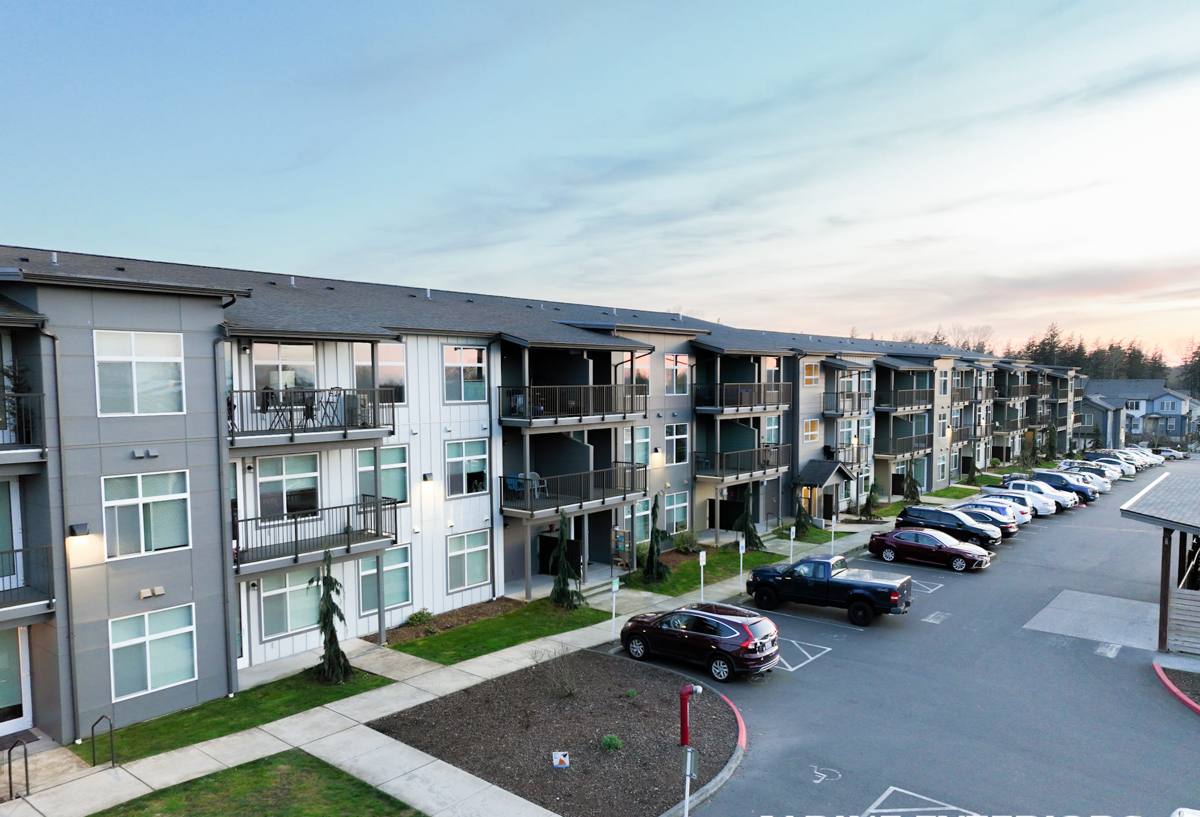
Land O' Lakes sits just across the Pasco County line from Tampa and Hillsborough County, part of the same stretch of the greater Tampa Bay area that's seen decades of steady residential growth. A lot of the neighborhoods here were built out in waves from the 1980s through the 2000s, which means a large share of the local housing stock is now sitting right at or past the point where its original siding was ever designed to last. That's not a defect in any particular product — it's just what happens when 20 to 30-year-old siding meets a Florida climate for that long. We get called out to Land O' Lakes regularly for exactly this reason: homeowners noticing that touch-up paint and spot caulking aren't fixing the problem anymore, and it's time to talk about full replacement instead.
This page is about that one job — full siding replacement — for homes in and around Land O' Lakes specifically. It covers what the local climate does to siding over time, how to tell when repair has stopped being the right answer, what a correct replacement actually involves, and why we install exclusively James Hardie fiber cement rather than the vinyl or engineered wood alternatives you'll see quoted elsewhere.
What Tampa Bay's Climate Does to Siding Over 20-Plus Years
Land O' Lakes doesn't sit directly on the coast, but it's close enough to Tampa Bay and the Gulf that it shares nearly the same climate stress that waterfront Hillsborough and Pinellas homes deal with, just without direct storm surge risk. Four factors do most of the damage over a siding system's working life.
Hurricane-Force Wind
Pasco County sees the same hurricane season as the rest of the Tampa Bay area, June through November, with sustained tropical-storm and hurricane-force wind events a real possibility most years. Siding that's already loose, delaminating, or poorly fastened is what tends to fail first in those events — not because the material itself couldn't handle the wind, but because years of prior wear had already compromised the fastening and sealing that were supposed to hold it in place.
Intense, Near Year-Round UV
Florida's sun angle and long growing season mean siding here takes far more cumulative UV exposure per year than siding in most of the country. Lower-grade paints and coatings chalk, fade, and lose their protective integrity years before their rated lifespan would suggest, especially on south- and west-facing walls that catch the most direct sun through the day.
Wind-Driven Rain
Ordinary rain runs down and off a wall without much trouble. Rain pushed sideways by high wind behaves completely differently — it drives into butt joints, fastener holes, and trim intersections that were never built to handle water moving horizontally or upward. On siding with intact caulking and flashing, that's manageable. On siding that's already aged and gapped, it's exactly how water gets behind the wall assembly.
Salt Air
Land O' Lakes sits inland relative to the immediate waterfront, but salt-laden air off Tampa Bay and the Gulf carries well beyond the coastline, and it doesn't stop working on a building envelope just because a home is a few miles from open water. Over years, that exposure accelerates corrosion on exposed fasteners and metal trim, which is part of why fastener choice matters here as much as the siding material itself.
None of these four factors is dramatic on its own in any single year. Stacked over two or three decades, they're the reason so much of the original siding around Land O' Lakes is showing its age at roughly the same time right now.
Signs a Land O' Lakes Home Needs Full Replacement, Not Just Repair
Repair makes sense when the problem is isolated — one cracked panel, a section of damaged trim, a spot where a fastener backed out. Replacement becomes the honest recommendation once the damage is systemic, spread across multiple elevations, or tied to moisture that's already gotten behind the siding. Signs worth taking seriously include:
- Paint or finish that's chalking, fading unevenly, or peeling across more than one wall, not just a single weathered spot
- Soft, spongy areas when you press on siding near windows, doors, or the lowest courses close to grade
- Visible cupping, warping, or buckling in individual boards or panels
- Gaps opening at butt joints or corners that weren't there when the siding was installed
- Rust streaks bleeding from fastener heads or corroded trim pieces
- Musty odors or staining on interior walls that back up to exterior siding
- Siding that's original to a home built more than two decades ago with no documented replacement
Any one of these on its own might still be a repair. Several of them together, especially spread across the house, usually mean the underlying material and its finish are past the point where patching is a sound use of money.
What a Correct Siding Replacement Job Actually Involves
Full siding replacement isn't just pulling old boards off and nailing new ones on. Done correctly, it's a sequence where each step protects the one that follows it.
Tear-off comes first, and it's also the point where hidden problems usually surface. Once the old siding is off, the sheathing underneath gets inspected directly rather than assumed sound — for a lot of homes, that's the first real look anyone has had at that wall assembly in decades. Any rot, delamination, or insect damage found in the sheathing or framing needs to be repaired before anything new goes back on; installing new siding over compromised sheathing just hides the problem for a few more years instead of solving it.
Next comes the water-resistive barrier — the housewrap or building paper that sits between the sheathing and the siding and is the actual first line of defense against moisture that gets past the exterior cladding. Flashing at every window, door, and roof-to-wall transition has to tie into that barrier correctly, lapped in the right order so water sheds outward and down instead of getting trapped behind the wall.
Only then does the new James Hardie siding go on, following the manufacturer's published fastening pattern, clearance requirements, and joint treatment for our wind zone. That includes correct clearance from grade, decks, and roof lines, the right fastener type and spacing, and properly sealed and lapped joints at every seam and penetration. Trim and corner boards get matched to the chosen Hardie product line, and the job finishes with a walkthrough covering caulking, any touch-up needs, and basic care instructions going forward.
Our Siding Replacement Process, Step by Step
- Inspection and estimate. We walk the exterior, check for soft spots and signs of moisture, and give you a straightforward assessment of what we're seeing and what it will take to fix it.
- Product selection. We talk through which James Hardie plank, panel, or shingle profile and color fits your home, your budget, and how the finished look will read next to the rest of the street.
- Permitting. We pull the required Pasco County permits before work starts, rather than treating that step as an afterthought.
- Tear-off and sheathing repair. Old siding comes off, sheathing gets inspected, and any damaged material is repaired or replaced before anything new goes on.
- Barrier, flashing, and installation. Water-resistive barrier and flashing go in first, then the new Hardie siding is installed to manufacturer spec and local wind code.
- Final walkthrough. We go over the finished work together, cover caulking and care instructions, and make sure you know what maintenance — minimal as it is — looks like from here.
Why We Install Only James Hardie Fiber Cement in This Climate
We don't offer vinyl, LP SmartSide, or other fiber cement brands like Cemplank or Allura, and that's a deliberate standard rather than a lack of options. James Hardie's HZ5 product line is engineered specifically for humid, high-moisture climates like ours, its ColorPlus factory finish resists the fading and chalking that plain field-painted or lower-grade siding shows under Florida's sun within a few years, and it's non-combustible, which matters to plenty of homeowners regardless of how close they sit to the coast. It's also backed by a strong, transferable limited warranty — a real advantage if you ever sell the home and don't want an aging or mismatched exterior working against you at closing. We'd rather install one product to a high standard on every job than spread our crews thin trying to stay sharp across several different systems.
What Affects the Cost of a Siding Replacement
| Factor | Why It Matters |
|---|---|
| Home size and number of stories | More square footage and multi-story access both add labor time and equipment needs |
| Condition of existing sheathing | Rot or damage found during tear-off means repair costs beyond the siding itself |
| Amount of trim and detail work | Corner boards, window trim, and architectural detail add labor beyond flat wall coverage |
| James Hardie product line chosen | Lap siding, panel, and shingle profiles carry different material and labor costs |
| Current siding removal complexity | Multiple layers of old siding or extensive prior patch repairs take longer to strip |
| Color and finish selection | Factory ColorPlus finishes and custom color-matching can affect material pricing |
We walk through these factors specifically during the estimate rather than handing over a number with no explanation behind it.
Why Hiring a Crew That Already Works Land O' Lakes Matters
Siding quality mostly comes down to details that never show up from the curb — how flashing is lapped, how much clearance is left at the bottom course, whether cut ends are sealed, whether fasteners are driven to the correct depth and spacing. A crew that's worked this specific area has already seen how those details hold up under Land O' Lakes' particular mix of heat, humidity, storm exposure, and lake-adjacent lots, rather than applying a generic approach and hoping it translates to local conditions.
It also matters for permitting. Pasco County runs its own permitting process and wind-code requirements, and a contractor who pulls permits here routinely knows what the county's inspectors actually check for. Many Land O' Lakes neighborhoods also carry HOA guidelines around exterior colors and materials, and knowing to check those before ordering siding saves a homeowner from a change order or a rejected color choice partway through the job.
Ready for a Straightforward Estimate?
If the siding on your Land O' Lakes home is showing its age — fading, gaps, soft spots, or just old enough that you're wondering whether repair still makes sense — we're happy to come take a look and give you a straightforward answer. No pressure, and no inflated number designed to get negotiated down later. Reach out using the form below for a free estimate.