 Tampa Siding
 Why Lutz Homeowners Are Rethinking Their Windows
Lutz sits in that in-between zone north of Tampa — close enough to the bay to feel every tropical system that comes through, far enough inland that people sometimes assume the coastal stuff doesn't apply to them. It does. Original single-pane or early-generation double-pane windows in this part of Hillsborough County are working overtime: fighting off summer sun for most of the year, absorbing humidity swings, and taking on wind-driven rain during the rainy season and named storms. When those windows start failing, the first sign usually isn't a cracked pane — it's a power bill that keeps creeping up and an AC system that never seems to get a break.
Energy-efficient window replacement isn't a cosmetic upgrade here. It's a functional fix for a home that's fighting a genuinely hard climate every single day of the year.
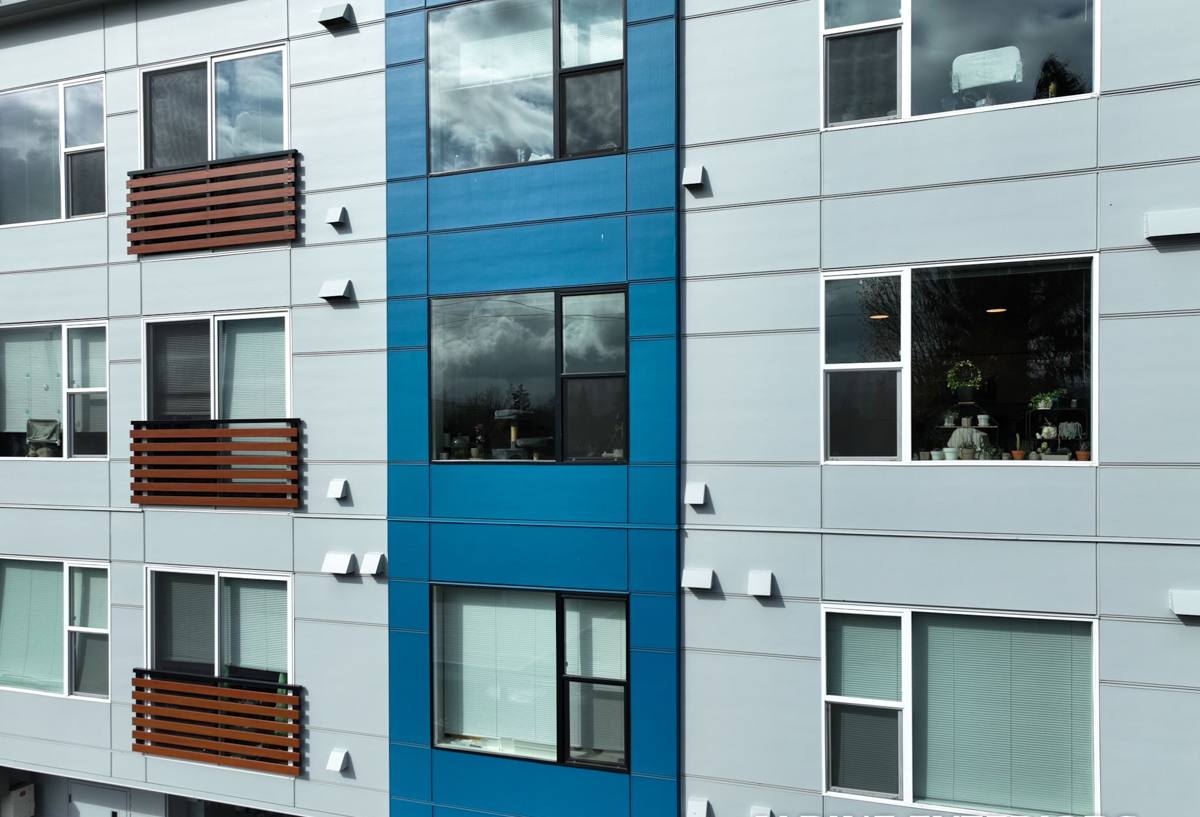
What the Tampa Bay Climate Actually Does to a Window
Heat and UV
Florida sun is relentless and it's not seasonal — a west- or south-facing window in Lutz takes direct, intense UV exposure nearly year-round. Older glass and worn seals let that heat radiate straight into the living space, which means your AC compressor is cycling constantly just to hold the thermostat. UV exposure also fades flooring, furniture, and window treatments faster than most homeowners expect.
Humidity and Wind-Driven Rain
Tampa Bay's humidity is a year-round fact of life, and it doesn't stay outside. Weak seals and aging weatherstripping let moist air infiltrate frames, which shows up as condensation between panes, musty smells, or soft spots in surrounding wood trim. Add wind-driven rain from summer thunderstorms and tropical systems, and a poorly sealed or improperly flashed window becomes a direct path for water intrusion — often long before anyone notices a active leak.
Storm Pressure and Wind Load
Hurricane-force wind doesn't just push on a window — it creates pressure differentials that can stress frames, seals, and anchoring well beyond what a standard-grade residential window was built for. Under the Florida Building Code, much of Hillsborough County — Lutz included — falls inside the state's wind-borne debris region, which generally means replacement windows need to either be impact-rated or paired with code-approved shutter protection, depending on the scope of work and permitting requirements.
Signs Your Current Windows Are Underperforming
Most homeowners don't replace windows until something forces the issue. Here's what to watch for before it gets to that point:
- Glass or frames feel warm to the touch on sunny afternoons, even with the AC running
- Visible condensation or fogging between panes of double-pane glass
- Noticeable draft near the frame when it's windy outside
- Difficulty opening, closing, or locking — a sign the frame has shifted or warped
- Soft, discolored, or bubbling drywall/trim around the window opening
- Fading carpet, flooring, or furniture near south- or west-facing windows
- Outside noise (traffic, storms) seems louder indoors than it used to
What Actually Makes a Window "Energy-Efficient"
U-Factor and SHGC
Two numbers matter more than any marketing label: U-factor, which measures how much heat transfers through the window (lower is better for keeping conditioned air in), and Solar Heat Gain Coefficient (SHGC), which measures how much solar heat passes through the glass (lower is better in a hot climate like ours). For Lutz, we generally steer homeowners toward low-SHGC, low-E coated glass — it blocks a meaningful share of solar heat without making rooms feel dark or artificially tinted.
Frame Material
The frame matters almost as much as the glass. Vinyl, fiberglass, and aluminum all perform differently in heat, humidity, and salt-laden air carried inland from the bay.
| Frame Material | Energy Performance | Coastal-Climate Durability | Maintenance |
|---|---|---|---|
| Vinyl | Good insulator, budget-friendly | Handles humidity well; can expand/contract with heat cycling | Low — no painting, won't rust |
| Fiberglass | Excellent, very stable dimensionally | Strong resistance to warping and moisture | Low — holds paint if color change is wanted |
| Aluminum | Weaker insulator unless thermally broken | Prone to corrosion in salt air without proper coating | Moderate — coatings can wear over time |
We make frame recommendations based on the specific exposure of each elevation of the house, not a one-size-fits-all default — a north-facing window in a shaded courtyard has different needs than a west-facing window catching afternoon sun and storm wind.
Impact-Rated vs. Standard Energy-Efficient Windows
This is one of the most common questions we get in Lutz, and it deserves an honest answer rather than an upsell. Impact-rated windows use laminated glass designed to stay intact under wind-borne debris impact, and they typically also carry strong energy performance ratings since the laminate layer adds an extra thermal barrier. Standard energy-efficient windows can still perform very well on insulation and UV blocking, but they rely on separate storm protection (shutters or panels) to meet code in wind-borne debris areas.
| Factor | Impact-Rated Windows | Standard Windows + Shutters |
|---|---|---|
| Upfront cost | Higher per window | Lower window cost, added shutter cost |
| Storm prep effort | None — always in place | Requires deploying shutters before each storm |
| Daily energy performance | Strong, laminate adds insulation value | Varies by glass package chosen |
| Noise reduction | Noticeably better | Standard, unless upgraded glass |
| Insurance considerations | May help with wind mitigation credits | Shutters can also qualify, if code-approved |
Neither option is objectively "wrong" — it comes down to budget, how the home is used, and whether the homeowner wants storm protection that's passive versus something they actively deploy. We'll walk through both honestly during an estimate rather than pushing the higher-margin option by default.
How Our Installation Process Works
- On-site assessment. We inspect existing frames, flashing, and any signs of past moisture intrusion before recommending anything.
- Product selection. We go over glass packages, frame materials, and impact vs. standard options based on your budget and each elevation's sun/wind exposure.
- Accurate measurement. Replacement windows are measured to the actual opening, not the original nominal size — this matters in older homes where openings have shifted slightly over time.
- Permitting. Window replacement in Hillsborough County generally requires a permit; we handle that process rather than leaving it to the homeowner.
- Removal and inspection of the opening. Once the old window is out, we check the framing and sill for hidden rot or water damage before anything new goes in — sealing over an existing problem does more harm than good.
- Proper flashing and sealing. This step is where most water intrusion problems either get solved or get built back in. We flash and seal to shed wind-driven rain, not just to look finished.
- Final check and walkthrough. Every window gets tested for smooth operation, proper locking, and a clean seal before we consider the job done.
Why Local Experience in Lutz Specifically Matters
Window performance isn't generic — it's shaped by how a specific house sits on its lot, which direction it faces, and what kind of wind and rain exposure it actually gets. A crew that regularly works in Lutz already understands the area's typical home styles, common construction eras, and the way local permitting works with Hillsborough County. That familiarity shows up in small but real ways: knowing which older subdivisions tend to have settling or framing quirks, understanding typical HOA aesthetic guidelines where they apply, and being able to schedule around Florida's storm season instead of working against it.
It also means a shorter response time if something needs a follow-up visit after installation — you're not waiting on a crew that has to drive across the county or across the bay.
Caring for Energy-Efficient Windows After Installation
New windows are a long-term investment, and a little maintenance keeps them performing the way they're supposed to:
- Rinse frames and glass periodically to clear salt residue and airborne grit, especially after storms
- Check weep holes (the small drainage openings in the frame track) to make sure they aren't blocked by debris or paint
- Inspect exterior caulking annually — Florida's heat and humidity cycles can dry out sealant faster than in milder climates
- Lubricate locks and hardware if operation starts to feel stiff
- Watch for any soft spots in interior trim after major storms, which can indicate a flashing issue worth catching early
If your windows in Lutz are letting in more heat, noise, or moisture than they should — or you're just planning ahead of the next storm season — we're happy to come take a look. Estimates are free, there's no pressure to commit on the spot, and you'll get a straight answer about what your home actually needs. Use the form below to get started.