 Tampa Siding
 Lutz Sits in a Tougher Spot Than Most of Tampa Realizes
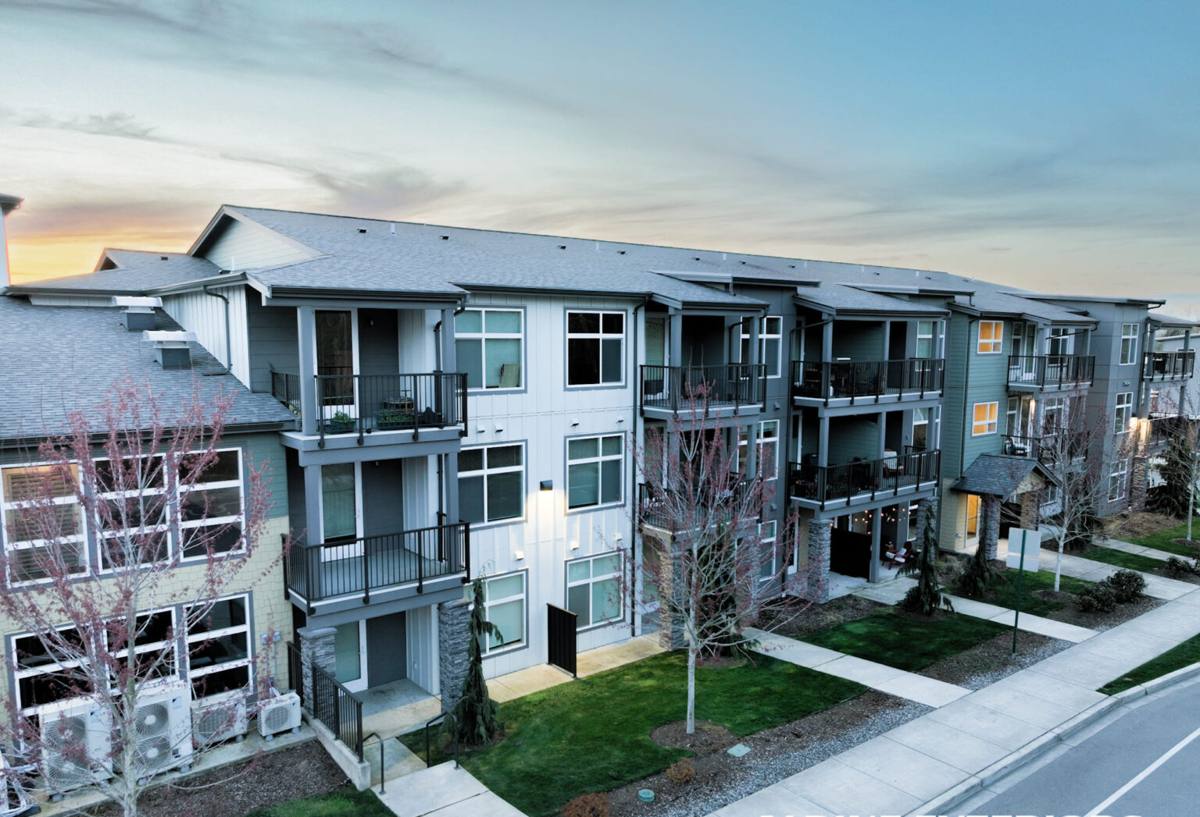
Lutz doesn't get talked about the way South Tampa or Westchase do, but the unincorporated stretch of north Hillsborough County it sits in throws a specific combination of punishment at exterior siding. It's a community built around lakes and mature tree canopy, with a mix of older ranch-style homes and newer construction on larger, more wooded lots than you'll find closer to downtown Tampa. That setting is part of what makes Lutz a nice place to live — and part of what wears siding out faster than homeowners expect.
Homes near lakes and heavy tree cover sit in more humid, slower-drying air than open, exposed lots. Shade from mature trees keeps siding damp longer after rain, and tree debris during storms puts direct physical stress on exterior walls. Layer in the same hurricane-force wind gusts, wind-driven rain, and relentless UV exposure that hit all of Tampa Bay, and you've got a climate that's genuinely harder on siding than the postcard version of Florida suggests. Salt air reaches further inland than most people assume, too, especially during onshore wind events.
None of that means Lutz homes need something exotic. It means they need siding that's installed correctly, with the right material, by a crew that understands what this specific area does to a building envelope over time.
Signs a Lutz Home Needs Replacement, Not Another Repair
Siding repair has its place, but there's a point where patching becomes throwing money at a system that's already failed. Here's what tells us a full replacement is the honest recommendation rather than a spot fix:
- Soft or spongy spots when you press on siding, especially near the bottom courses or around windows and doors
- Visible buckling, warping, or panels that no longer sit flat against the wall
- Paint that keeps failing within a year or two of repainting, even after prep work
- Persistent moisture staining, dark streaking, or a musty smell along interior walls that back up to exterior siding
- Siding that's original to a home 20-plus years old, particularly wood-based or older composite products not engineered for this humidity
- Multiple repair visits in the same areas without the underlying problem going away
If you're only seeing one or two of these, a repair might genuinely be the right call — we'll tell you that on the estimate instead of upselling a full tear-off you don't need yet.
What a Correct Siding Replacement Actually Involves
Full Tear-Off, Not Overlay
Installing new siding over old is a shortcut that traps moisture and hides problems instead of solving them. A correct job removes the old siding down to the sheathing so we can actually see the wall — which matters in a lake-adjacent, tree-shaded area where hidden moisture damage is more common than in drier parts of the county.
Sheathing Inspection and Repair
Once the old siding is off, we inspect the sheathing underneath for rot, soft spots, or water damage. Any compromised sheathing gets replaced before anything new goes up. Skipping this step is one of the most common ways a siding job fails early — new siding over damaged sheathing is still a damaged wall.
Weather-Resistive Barrier and Flashing
A weather-resistive barrier goes over the sheathing, with flashing detailed correctly around every window, door, and penetration. This is where wind-driven rain either gets stopped or gets in, and it's the part of the job that's invisible once the siding goes up — which is exactly why it has to be done right the first time.
Fastening and Clearances to Spec
James Hardie fiber cement has specific fastening patterns, nailing zones, and ground clearance requirements, and Hillsborough County's wind-load requirements demand it be installed to those specs, not "close enough." Panels held with the wrong fastener spacing or set too close to grade or a roofline will fail well before the material itself would have.
Why We Only Install James Hardie Fiber Cement
We don't install vinyl siding, LP SmartSide, Cemplank, Allura, or primed wood products like spruce or cedar. That's a deliberate standard, not a limitation of what we're capable of installing. Each of those alternatives has real strengths — vinyl is inexpensive and low-maintenance in mild climates, engineered wood products can look good and go up quickly, and cedar has genuine curb appeal. But in a climate like Lutz's, with hurricane wind exposure, constant UV, wind-driven rain, and salt air, the trade-offs stack up: vinyl can warp and crack under sustained heat and impact, wood-based products are more sensitive to moisture intrusion and require more diligent maintenance to avoid rot, and none of them match fiber cement's combination of non-combustibility and long-term dimensional stability in this environment.
James Hardie fiber cement is engineered specifically for high-humidity, storm-exposed climates, with a factory-applied ColorPlus finish that resists fading and doesn't require repainting on the same cycle as wood. It's non-combustible, holds up to wind-driven rain without swelling, and carries a strong transferable warranty when installed to Hardie's specifications. That's why it's the only product we put on homes.
| Factor | James Hardie Fiber Cement | Vinyl | Wood-Based (LP, Cedar, Spruce) |
|---|---|---|---|
| Moisture resistance | Engineered for humidity, won't rot | Resists moisture but can warp under heat | Vulnerable to rot without diligent upkeep |
| Wind/impact durability | Rated for high wind zones when installed to spec | Can crack or blow off in high wind | Varies; more prone to physical damage |
| Fire resistance | Non-combustible | Combustible | Combustible |
| Finish longevity | Factory ColorPlus finish, long fade resistance | Color molded in, can chalk over time | Needs regular repainting/staining |
| Maintenance | Low, occasional cleaning and caulk checks | Low | Higher — repainting, sealing, pest checks |
Choosing the Right Hardie Product Line for a Lutz Property
Lutz has more lot variety than a typical Tampa subdivision — established ranch homes, newer two-story builds, and properties with more tree cover or lake frontage than average. The right Hardie configuration depends on the home:
HardiePlank Lap Siding
The most common choice for both older ranch homes and newer construction in the area. Available in multiple textures and widths to match a traditional or more contemporary look.
HardiePanel Vertical Siding
Often used as an accent on gables or modern-style builds, or as a full application on more contemporary homes.
HZ5 Climate Configuration
Hardie engineers its products in different HZ (Hardie Zone) formulations for different climate exposures. Homes in this part of Florida call for the HZ5 configuration, engineered for high-humidity, high-moisture-exposure regions — which fits Lutz's lake-adjacent, tree-shaded conditions as well as it fits anywhere in Tampa Bay.
Our Process, Start to Finish
- On-site estimate. We walk the exterior, check the current siding and sheathing where visible, and talk through what your home actually needs — repair, partial replacement, or full tear-off.
- Written scope and product selection. You get a clear scope of work and help choosing the Hardie line, texture, and ColorPlus color that fits the home.
- Tear-off and sheathing inspection. Old siding comes off, sheathing is inspected and repaired as needed before anything new goes up.
- Weather barrier and flashing installation. Correct moisture management goes in before the new siding does — this step doesn't get shortcut.
- Hardie installation to manufacturer spec. Fastening, clearances, and joint treatment follow Hardie's published requirements for this wind and climate zone.
- Final walkthrough. We go over the finished job with you before calling it done, not before.
What Drives the Cost of a Lutz Siding Replacement
We won't quote a number without seeing the home, but these are the factors that actually move the price up or down:
| Cost Factor | Why It Matters |
|---|---|
| Home size and wall complexity | More square footage and more corners, gables, or dormers mean more labor and material |
| Sheathing condition | Rot or water damage found during tear-off adds repair work before new siding goes up |
| Product line and texture | HardiePlank, HardiePanel, and different textures carry different material costs |
| Trim and detail work | Window/door trim, corner boards, and soffit work add labor time |
| Site access | Tree cover, fencing, or tight lot access can slow tear-off and staging |
| Existing siding removal | Multiple layers or difficult-to-remove old siding adds tear-off time |
Why a Crew That Already Works Lutz Regularly Matters
Siding installed to spec in one climate zone isn't automatically installed to spec for another. A crew that regularly works Lutz and the surrounding Hillsborough County area already knows the wind-load and permitting requirements that apply here, understands how lake-adjacent humidity and tree canopy affect a job differently than a dry, exposed lot across town, and isn't learning the area's quirks on your project. That local familiarity shows up in the details — how flashing gets handled around a shaded, slower-drying wall, how staging works on a wooded lot, and knowing which product line configuration is actually required for this part of Tampa Bay rather than guessing.
It also means someone is genuinely nearby if a warranty question or follow-up ever comes up — not a crew that did one job in the area and moved on.
If your Lutz home's siding is showing its age, or you're just not sure whether you're looking at a repair or a replacement, we're glad to come take a look. The estimate is free, there's no pressure, and you'll get a straight answer about what your home actually needs.