 Tampa Siding
 Why New Tampa Roofs Need More Than a Standard Install
New Tampa sits inland from the bay, but "inland" doesn't mean sheltered. Homes here still take a direct hit from Hillsborough County's full weather cycle: hurricane-force wind gusts during tropical systems, near-daily UV exposure that most of the country never sees, sudden wind-driven downpours in summer, and humid air that carries salt further inland than most homeowners realize, especially during and after coastal storms. A metal roof installed correctly can handle all of that for decades. A metal roof installed with shortcuts — the wrong fastener pattern, skipped underlayment details, poor flashing — will show problems in years, not decades, and often in ways that aren't visible from the ground.
This page is about what "correctly" actually means for a metal roof in New Tampa specifically, not metal roofing in general terms that could apply anywhere.
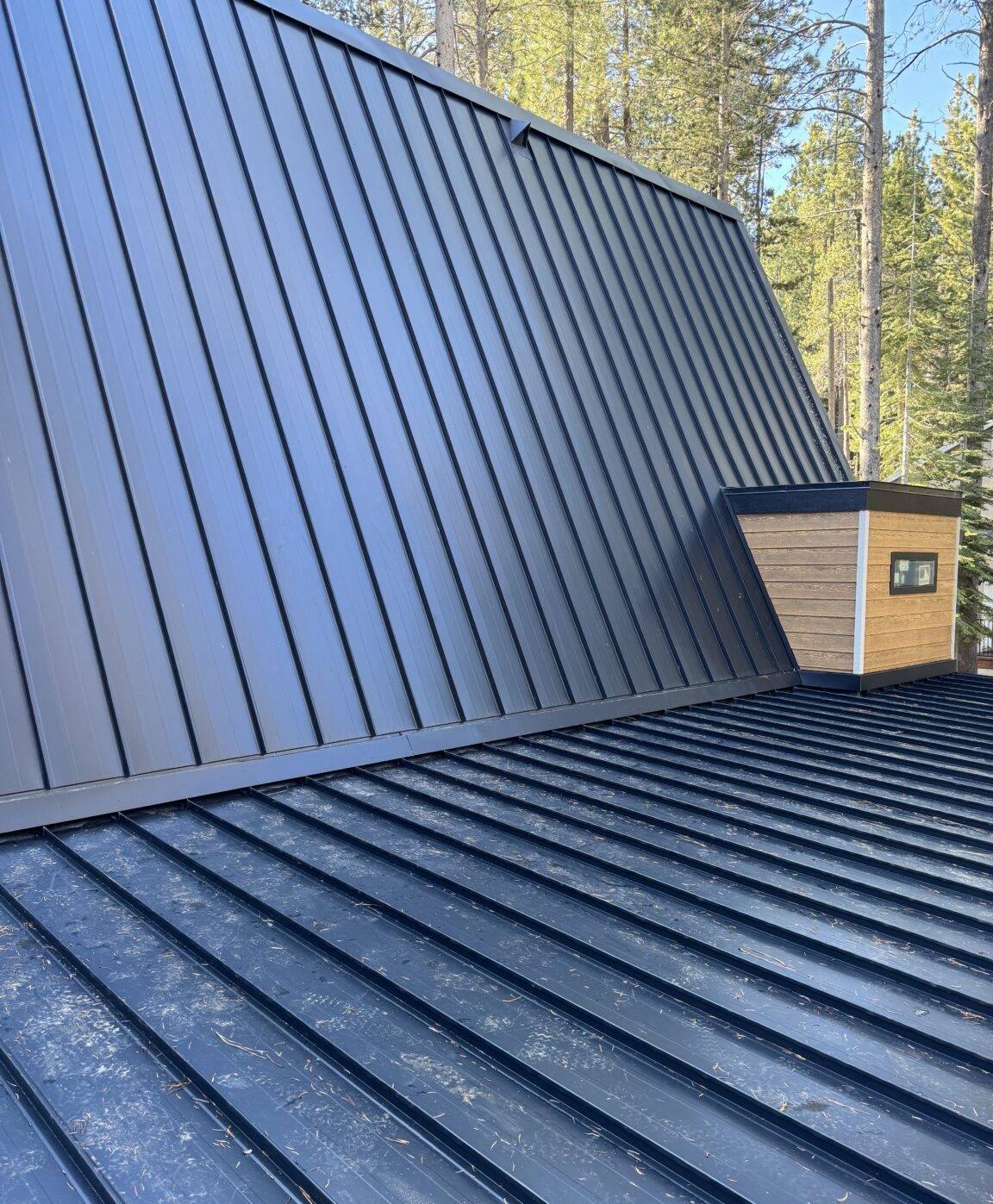
What a Correctly Installed Metal Roof Actually Includes
Metal roofing looks simple from the street — panels, seams, done. The parts that determine whether it lasts are the parts you can't see once the job is finished.
Fasteners and Attachment
Wind doesn't fail a metal roof by ripping through the panel material. It fails it by working loose the fasteners or clips first, then getting under an edge and prying upward. The fastener type, spacing, and pattern have to match the wind exposure of the specific roof — a single-story home in an open lot and a two-story home near a tree line don't get identical treatment, even on the same street.
Underlayment and Deck Prep
Metal panels are the visible weather layer, but the underlayment underneath is what protects the deck if wind-driven rain ever gets past a seam or fastener — and in a heavy summer storm, some water intrusion at the surface level is normal for any roofing system. Self-adhered, high-temperature underlayment is standard practice under metal in Florida's heat, and it needs to be installed over a deck that's actually sound, not just covered up.
Flashing and Penetrations
Valleys, wall transitions, chimneys, vent stacks, and skylights are where most roof leaks actually start, on metal or any other material. Flashing at these points has to be formed to fit the specific roof geometry and integrated with the underlayment in the right layering order, not just caulked and left.
Ventilation
Attic heat buildup in a Florida summer is significant, and metal roofing performs best — both for comfort and for the life of the roof deck — when intake and exhaust ventilation are balanced. A metal roof over a poorly ventilated attic will still outperform shingles, but it won't perform at its best.
Choosing a Panel System for Your Home
Not every metal roofing product is the same product wearing a different color. The three common categories behave differently over time, and the right choice depends on your roof's slope, look you're after, and budget.
| Panel Type | Attachment Style | Best For | Trade-Offs |
|---|---|---|---|
| Standing Seam | Concealed clips, no exposed fasteners | Homes prioritizing longevity and a clean, modern look | Higher upfront cost; requires precise installation |
| Exposed-Fastener Panel | Screws driven through the panel face | Budget-conscious projects, outbuildings, some home styles | Fasteners and washers need periodic inspection and eventual replacement |
| Metal Shingle / Tile Profile | Interlocking panels shaped like shingle or tile | Homeowners who want a traditional look with metal's durability | More seams and detail work than standing seam; installation quality matters more |
For most New Tampa homes, we recommend standing seam when the budget allows it, specifically because it has no exposed fastener heads for wind and UV to work on over the years. Exposed-fastener panels aren't a bad product — they're a legitimate, lower-cost option — but they carry a maintenance obligation the homeowner should understand going in, not discover later.
What Hillsborough County Weather Does to a Metal Roof Over Time
Understanding the failure points helps explain why the installation details above matter so much.
- Wind: Uplift forces during tropical storms and hurricanes concentrate at roof edges, ridges, and corners — exactly where fastening and flashing quality matters most.
- UV: Year-round sun exposure breaks down sealants, caulks, and paint finishes faster here than in most of the country. Quality of the paint system and sealant products used matters more in Florida than in a milder climate.
- Wind-driven rain: Florida storms rarely fall straight down. Rain gets pushed sideways into laps, seams, and penetrations, which is why lap design and flashing integration carry more weight than they would in a calmer climate.
- Humidity and salt-laden air: New Tampa is far enough inland that it doesn't see the direct salt spray coastal properties deal with, but Tampa Bay's proximity still means salt-influenced humidity reaches this area, especially during onshore wind events. Fastener and flashing materials rated for coastal-adjacent exposure are the safer standard here rather than the bare minimum.
Our Metal Roofing Process
- Inspection and assessment: We look at the existing roof deck, flashing points, attic ventilation, and the specific wind exposure of your lot before recommending a panel type or fastening spec.
- Tear-off or overlay decision: Depending on the condition of the existing roof and local code requirements, we'll walk you through whether a tear-off to bare deck or an approved overlay makes sense for your situation.
- Deck repair: Any soft, rotted, or damaged decking gets replaced before anything goes down over it — this is not an optional step regardless of what roofing material is going on top.
- Underlayment and flashing installation: High-temperature underlayment and custom-formed flashing at every valley, wall, and penetration.
- Panel installation: Panels installed to the fastening and clip spacing specification appropriate for your home's exposure, not a generic default.
- Final walkthrough: We review the completed roof with you, including where ventilation, flashing, and trim work was done, before considering the job finished.
HOA Rules and Other New Tampa-Specific Factors
A lot of New Tampa is built out in planned communities with active homeowners associations, and many of those HOAs have specific rules about roofing materials, colors, and profiles. We've worked within these requirements before and can help you figure out what's likely to get approved before you're locked into a material choice — it's a much easier conversation before ordering panels than after.
Tree canopy is another local factor worth planning for. Established neighborhoods with mature trees mean more debris on the roof and more shade, which affects both cleaning needs and, in some cases, panel selection around valleys and low-slope sections where debris tends to collect.
Maintenance That Actually Matters
Metal roofing is genuinely low-maintenance compared to other materials, but "low-maintenance" isn't "zero-maintenance." A few things are worth doing:
- Clear leaves and debris from valleys and around penetrations, especially after storms.
- Have exposed fasteners (if that's your panel type) checked periodically — screws and washers can loosen or degrade over years of thermal cycling.
- Keep gutters clear so water isn't backing up under roof edges.
- After any major wind event, a visual check for lifted panels, loose trim, or damaged flashing is worth the time before small issues become deck damage.
Why Hire a Crew That Already Works in New Tampa
Metal roofing installation quality varies enormously between crews, and most of that variation is invisible until something fails. A crew that already works in this area understands the wind exposure differences between an open lot and a tree-lined street, knows what local HOAs typically expect, and has already worked through Hillsborough County permitting and inspection requirements — so your project doesn't become the job where those things get figured out for the first time.
Here's a short checklist worth using with any contractor you're considering for a metal roof in this area:
- Are they licensed and insured to do roofing work in Florida, and will they provide proof without you having to ask twice?
- Do they pull a permit and schedule the required inspections, rather than treating that as optional?
- Can they explain their fastening pattern and flashing approach in specific terms, not just "we use good materials"?
- Do they inspect and address the roof deck condition before installation, rather than covering up existing problems?
- Are they familiar with local HOA approval processes if your community requires one?
If a contractor can't answer these clearly, that's useful information before you sign anything.
Ready to Talk About Your Roof
If you're weighing metal roofing for a home in New Tampa, we're happy to take a look and walk you through what makes sense for your specific roof, budget, and HOA situation. Use the form below to request a free estimate — no pressure, no hard sell, just a straight assessment.