 Tampa Siding
 Metal Roofing Built for Town 'n' Country's Weather
Town 'n' Country sits in unincorporated Hillsborough County just west of downtown Tampa, close enough to Tampa Bay and the Gulf that salt-laden air is a real factor in how long any roofing material lasts. Add in Florida's intense year-round UV exposure, sudden wind-driven downpours in the summer, and the real chance of hurricane-force gusts during storm season, and you have a climate that is genuinely hard on a roof. Metal roofing, installed correctly, handles all of that better than most other options — but "installed correctly" is doing a lot of work in that sentence. A metal roof is only as good as its fastening pattern, its underlayment, and the coating on the panel. Get any of those wrong and you've spent premium money on a roof that fails early.
This page covers what a metal roof needs to hold up on a Town 'n' Country home specifically, what a correct installation actually involves, and how our process works from first inspection to final walkthrough.
What Local Homes Are Up Against
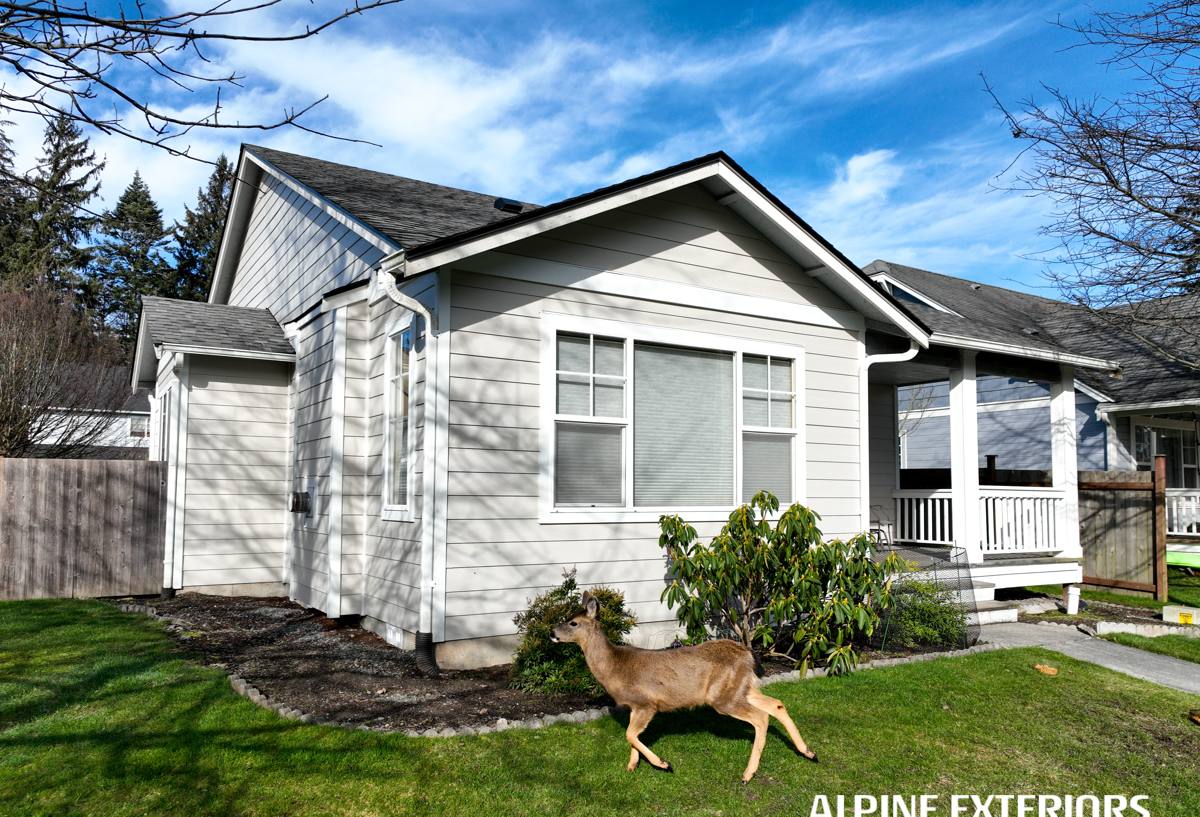
Most of the housing stock in this part of Hillsborough County ranges from older ranch-style homes to newer infill construction, which means we see a wide mix of roof decks, slopes, and existing materials. What's consistent across all of them is the exposure:
- Wind: Tropical storms and hurricanes bring sustained high winds and gusts capable of lifting improperly fastened panels or flashing.
- UV: Florida sun degrades cheap paint finishes and unprotected fasteners faster than almost anywhere else in the country.
- Wind-driven rain: Water doesn't just fall here, it gets pushed sideways into laps, seams, and penetrations that aren't detailed correctly.
- Salt air: Proximity to Tampa Bay means airborne salt accelerates corrosion on the wrong metal type, coating, or fastener.
None of these are exotic problems — they're the normal operating conditions for a roof in this part of Florida. A metal roofing system that's designed and installed with them in mind will perform for decades. One that isn't will show streaking, loosening panels, or rust at the fasteners well before it should.
Standing Seam vs. Exposed-Fastener: Choosing the Right System
"Metal roof" isn't one product — it's a category, and the system you choose changes both the upfront cost and the long-term maintenance picture. The two most common options for homes in this area are standing seam and exposed-fastener (screw-down) panels.
| Feature | Standing Seam | Exposed-Fastener |
|---|---|---|
| Fasteners | Hidden, clipped beneath the seam | Visible screws through the panel face |
| Wind performance | Generally higher uplift resistance | Good, but relies on gasket integrity at every screw |
| Maintenance | Minimal — no exposed gaskets to inspect | Gaskets should be checked periodically; they harden with UV exposure |
| Upfront cost | Higher | Lower |
| Typical lifespan | Longer, with fewer service points of failure | Long, but often shorter than standing seam due to fastener wear |
| Best fit | Homeowners planning to stay long-term, or wanting the lowest-maintenance option | Budget-conscious projects, outbuildings, or shorter ownership horizons |
Neither system is wrong for this climate — both can be built to meet Florida's wind requirements. The decision usually comes down to budget, how long you plan to stay in the home, and how much maintenance you want to think about later. We'll walk through the honest trade-offs for your specific roof rather than pushing one system as universally "better."
Wind Ratings and Hillsborough County Code
Hillsborough County is not part of Florida's High-Velocity Hurricane Zone (that designation applies to Miami-Dade and Broward counties), but that doesn't mean the wind requirements here are relaxed. The Florida Building Code still requires roofing systems in this area to be engineered and installed to resist the wind speeds mapped for our region, and permitted metal roof installations have to meet those uplift ratings — not just the panel itself, but the clip spacing, fastener type, and fastener count that were actually tested with that panel profile.
This is where a lot of roofing problems start, and it's rarely the metal panel's fault. A correctly rated system installed with the wrong screw spacing, undersized fasteners, or missing clips will not perform to its rated wind speed, no matter what the product literature says. We pull permits and follow the fastening schedule the system was actually engineered for — not a shortcut version.
What a Correct Wind-Rated Install Requires
- Panel and clip system matched to a tested assembly, not mixed and matched
- Fastener spacing that matches the engineered pattern for our wind zone, especially at eaves, rakes, and ridges where uplift is highest
- Proper deck attachment underneath the panels — the roof deck itself has to be sound and correctly fastened
- Flashing and closures at every penetration, valley, and edge detailed to shed wind-driven rain, not just gravity-fed water
Salt Air and Corrosion Protection
Being within reach of Tampa Bay's salt air changes what "good" looks like for metal roofing. The two things that matter most here are the base metal/coating system and the fastener quality.
For coated steel or aluminum panels, a PVDF (Kynar-type) finish holds its color and resists chalking far better than a lower-grade painted finish under constant Florida UV — it costs more upfront but pays for itself in appearance and coating life. Fasteners matter just as much: mismatched or lower-grade screws corrode at the head first, which is usually the earliest visible sign of a roof installed with the wrong hardware. We match fastener material to the panel system specifically because a fastener failure at scale means water intrusion at dozens of points, not just one.
If your property is closer to the water or gets consistent salt exposure, we'll factor that into the coating and hardware recommendation rather than defaulting to whatever's cheapest.
Underlayment and Moisture Control
The panels get the attention, but the underlayment is what actually protects your home if wind-driven rain gets past the metal — and in this climate, it eventually will, even on a well-installed roof, during a bad enough storm. We use self-adhered synthetic underlayment rather than old-style felt in most cases, because it seals around fastener penetrations instead of just relying on friction, and it holds up far better to the heat cycling a Florida attic goes through.
Ventilation matters here too. A metal roof over a poorly ventilated attic can trap heat and moisture, which shortens the life of the deck underneath even if the metal itself is fine. Where it makes sense, we'll talk through ridge and soffit ventilation as part of the project, not as an upsell afterward.
Recover or Full Tear-Off?
Because Town 'n' Country has such a mix of older and newer homes, we see everything from aging shingle roofs to homes that already have a metal roof needing replacement. The right approach depends on what's underneath:
- Full tear-off is almost always the right call when the existing deck condition is unknown, when there's already been water intrusion, or when code requires it — it lets us inspect and repair the deck before anything new goes down.
- Recover over an existing roof can be appropriate in limited situations, but it hides deck problems instead of solving them, and it's not something we'll recommend just to save a step.
We'll tell you plainly which situation you're in once we're up on the roof — not guess from the ground.
How Our Process Works
A metal roof install has a lot of steps where quality is easy to shortcut and hard to inspect after the fact. Here's what we walk through on every job:
- On-site inspection of the existing roof, deck, and flashing points
- Honest recommendation on system type, gauge, and coating based on your budget and how long you plan to own the home
- Permit pulled through Hillsborough County before work starts
- Tear-off (when needed) with deck inspection and repair before any underlayment goes down
- Self-adhered underlayment installed with correct lapping at seams and penetrations
- Panels installed to the engineered fastening pattern for our wind zone — not a generic spacing
- Flashing, valleys, and penetrations detailed for wind-driven rain, not just standard runoff
- Final walkthrough and documentation you can hand to your insurance carrier
Insurance and Long-Term Value
A correctly installed, wind-rated metal roof can qualify for wind mitigation credits on your homeowner's insurance, which is worth confirming with your carrier once the work is documented. Beyond the insurance angle, the real value of doing this right the first time is that you're not back on the roof dealing with loosened panels or rust streaks five years in. A metal roof is a long-term investment — the labor and detailing quality is what determines whether it acts like one.
If you're weighing a metal roof for your Town 'n' Country home, we're happy to take a look and give you a straight answer on condition, options, and cost — no pressure, no upsell. Fill out the form below for a free estimate.