 Tampa Siding
 Asphalt Shingle Roofing Built for New Tampa's Climate
New Tampa homes take a different kind of beating than roofs in milder climates. Between hurricane-force wind events, months of intense UV exposure, wind-driven rain that finds every gap in a bad install, and salt-laden air drifting in off the Gulf, an asphalt shingle roof here has to do more work than the same roof would in most of the country. A shingle roof that's installed correctly for this environment can last its full service life without drama. One that's installed to a lower standard — or installed by a crew unfamiliar with what Hillsborough County homes actually need — tends to show problems early: curling shingles, granule loss, leaks around penetrations, or wind damage that shows up the first time a tropical system rolls through.
This page covers what a correct asphalt shingle roof looks like for a New Tampa home, what our installation process involves, and why local experience matters as much as the materials themselves.
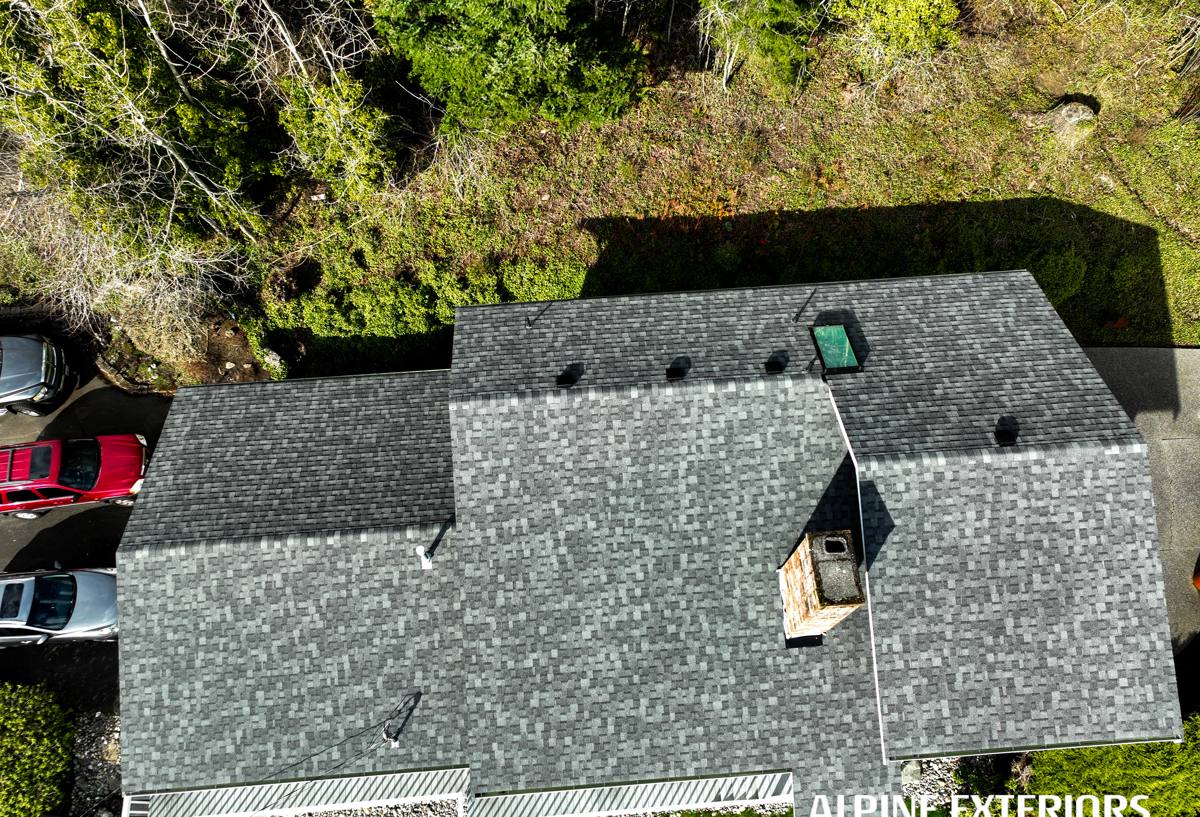
What Tampa's Climate Actually Does to a Shingle Roof
Wind
Hillsborough County sees sustained high winds during tropical storms and hurricanes, and even routine summer thunderstorms can produce strong gusts. Shingles that aren't rated and fastened correctly for local wind exposure are the first thing to fail — not because the shingle itself is bad, but because the nailing pattern, sealant strip activation, or starter course wasn't handled right during install.
UV and heat
Florida sun is relentless almost year-round. UV breaks down the asphalt in shingles over time, drying out the mat and accelerating granule loss. Roof surface temperatures in direct summer sun can run well above the surrounding air temperature, which speeds up aging on any roof that isn't ventilated properly.
Wind-driven rain
It's rarely just rain — it's rain being pushed sideways under shingle tabs, around flashing, and into any seam that wasn't sealed correctly. A roof that would stay watertight in a calm, straight-down rain can leak in a New Tampa storm if the underlayment, flashing, and shingle overlap aren't done to the right standard.
Salt air and humidity
While New Tampa is inland compared to the immediate coast, the broader Tampa Bay area still carries salt-laden, humid air that accelerates corrosion on exposed metal — nails, flashing, vents — and keeps roof decks and attics more humid than in drier climates. That humidity matters for ventilation and moisture management, not just the shingles themselves.
What a Correct Installation Involves Here
Wind rating and fastening
The shingle product matters, but the installation matters more. Correct nail count and placement, properly activated sealant strips, and a starter course installed the right way are what actually determine how a shingle roof performs in wind — not just the rating printed on the product wrapper.
Underlayment as a real second layer of protection
We treat underlayment as a functional moisture barrier, not a formality. In a climate where wind-driven rain is a regular occurrence, a synthetic or self-adhering underlayment installed with correct overlaps gives the roof a backup line of defense if wind ever lifts or damages shingles during a storm.
Flashing at every transition
Valleys, chimneys, skylights, sidewalls, and vent penetrations are where the overwhelming majority of roof leaks start — not in the open field of shingles. Correct step flashing, counterflashing, and valley treatment are non-negotiable details, and they're the details that get rushed on a low-quality install.
Attic ventilation
Proper intake and exhaust ventilation keeps attic temperatures and humidity in check, which protects the roof deck, extends shingle life, and helps keep energy costs down. A shingle roof installed without addressing ventilation is starting its life with a handicap, regardless of how good the shingles are.
Signs a New Tampa Roof Needs Attention
Most shingle roof problems give some warning before they become an active leak. Homeowners who catch these early save money and avoid interior damage.
- Shingles that look curled, cupped, or are missing granules in patches
- Bald or shiny spots where granules have worn away, exposing the asphalt underneath
- Missing, cracked, or lifted shingles after a storm, even if there's no visible leak yet
- Soft spots or noticeable sagging anywhere on the roof plane
- Rust streaks or deteriorating flashing around chimneys, vents, or skylights
- Granules collecting in gutters or at downspout outlets
- Daylight visible through the roof deck from inside the attic
- Water stains on ceilings or in the attic, especially after wind-driven rain
Our Asphalt Shingle Roofing Process
Inspection and honest estimate
We start with a full roof inspection — deck condition, flashing, ventilation, and the shingles themselves — and give a straightforward assessment of what the roof actually needs. Sometimes that's a full replacement; sometimes it's targeted repair. We tell you which one, and why.
Tear-off and deck inspection
For a full replacement, we remove the old roofing down to the deck so we can actually see what's underneath. Any damaged or soft decking gets identified and addressed before new material goes down — covering over a compromised deck is how roofs fail early, and we won't do it.
Underlayment, flashing, and shingle installation
We install underlayment and flashing to the standard this climate requires, then install shingles with the fastening pattern and starter course detail appropriate for local wind exposure. Every valley, penetration, and edge gets the attention it needs — these are the details that separate a roof that holds up in a storm from one that doesn't.
Ventilation check and final walkthrough
Before we consider the job done, we confirm the attic ventilation is working as intended and walk the finished roof with you so you know exactly what was done and what to expect going forward.
Shingle Options for New Tampa Homes
There isn't one "right" shingle for every home — it depends on budget, how long you plan to stay in the home, HOA requirements, and how much wind and impact resistance you want built in. Here's how the common options compare for this climate.
| Shingle Type | Typical Wind Resistance | Relative Cost | Best Fit |
|---|---|---|---|
| 3-tab shingles | Lower wind ratings, fewer layers | Lowest | Budget-conscious projects, secondary structures |
| Architectural (dimensional) shingles | Higher wind ratings when installed correctly | Moderate | Most New Tampa homes — the standard choice |
| Impact-rated architectural shingles | Highest available for asphalt shingles | Higher upfront | Homeowners prioritizing storm resilience and possible insurance credits |
Architectural shingles have become the practical standard for most homes in this area because they balance durability, appearance, and cost. Impact-rated shingles cost more upfront but are worth discussing if you're focused on long-term storm performance or want to explore potential insurance premium credits — we can walk you through the real trade-offs for your specific home.
Permits, Wind Mitigation, and Insurance in Hillsborough County
Roof work in Hillsborough County requires proper permitting, and we handle that as part of the job rather than treating it as optional paperwork. A correctly permitted, inspected roof also matters for insurance: many Florida insurers offer wind mitigation credits for features like proper roof-to-wall connections, secondary water barriers, and appropriate shingle ratings. We build to standards that support those inspections rather than to the bare minimum, so you're not left scrambling if your insurer asks for documentation later.
Why a Crew That Already Works in New Tampa Matters
Roofing crews unfamiliar with this area sometimes install roofs the same way they would in a milder climate — lighter fastening, generic underlayment, minimal attention to flashing detail. It can look fine on the day it's finished and still fail early once a real Tampa Bay storm season tests it. A crew that regularly works New Tampa roofs already knows the local permitting process, understands what Hillsborough County inspectors look for, and builds every roof assuming it will eventually face real wind and real wind-driven rain — because around here, it will.
Maintenance That Actually Extends Roof Life
A correctly installed shingle roof still benefits from basic upkeep. Keep gutters clear so water doesn't back up under the roof edge, trim overhanging branches that can drop debris or scrape shingles in wind, and have the roof looked at after any major storm — not just when a leak shows up. A quick post-storm check can catch a lifted shingle or damaged flashing before it turns into an interior repair.
If your New Tampa home is due for a new roof, showing early wear, or you just want an honest opinion on its current condition, we're happy to take a look. Reach out for a free, no-pressure estimate using the form below.