 Tampa Siding
 Why New Tampa Homes Ask More of Their Windows
New Tampa is one of the newer, faster-growing corners of Hillsborough County, and most of the homes here were built within the last thirty-five years under Florida's modern building codes. That's good news in one sense — you're not fighting decades-old single-pane glass — but it also means many of these houses came with builder-grade windows sized and specified to hit a price point, not to give a homeowner decades of trouble-free performance. When it's time to replace or upgrade, custom isn't a luxury word here. It usually just means getting a window that actually fits the opening, the architectural style, and the load requirements correctly, instead of the closest stock size a supplier happened to have on hand.
Florida's climate doesn't ease up on windows just because a neighborhood sits inland from the bay. Hurricane-force wind events bring sudden pressure changes and airborne debris that test every seam of a window assembly. Sun exposure here is intense and constant, which breaks down seals, warps frames, and fades finishes near the glass. Wind-driven rain during summer storms finds any gap in flashing or caulking within a season or two. And even though New Tampa sits well back from open water, the same humid, salt-tinged air that works on coastal Tampa Bay homes still reaches inland — more slowly, but it still corrodes hardware and fasteners over the life of a window. A correctly specified, correctly installed window is the difference between quietly handling all of that for twenty-plus years and dealing with leaks, fogged glass, or a failed opening during the next storm season.
There's also a comfort and utility-bill side to this that homeowners in this area feel directly. A poorly sealed or under-specified window in a west- or south-facing wall lets in a lot of radiant heat during a Florida summer, and an air conditioner ends up working overtime to compensate. Getting the glass package right isn't just about storm performance — it's part of what keeps a cooling bill reasonable for the next fifteen or twenty years.
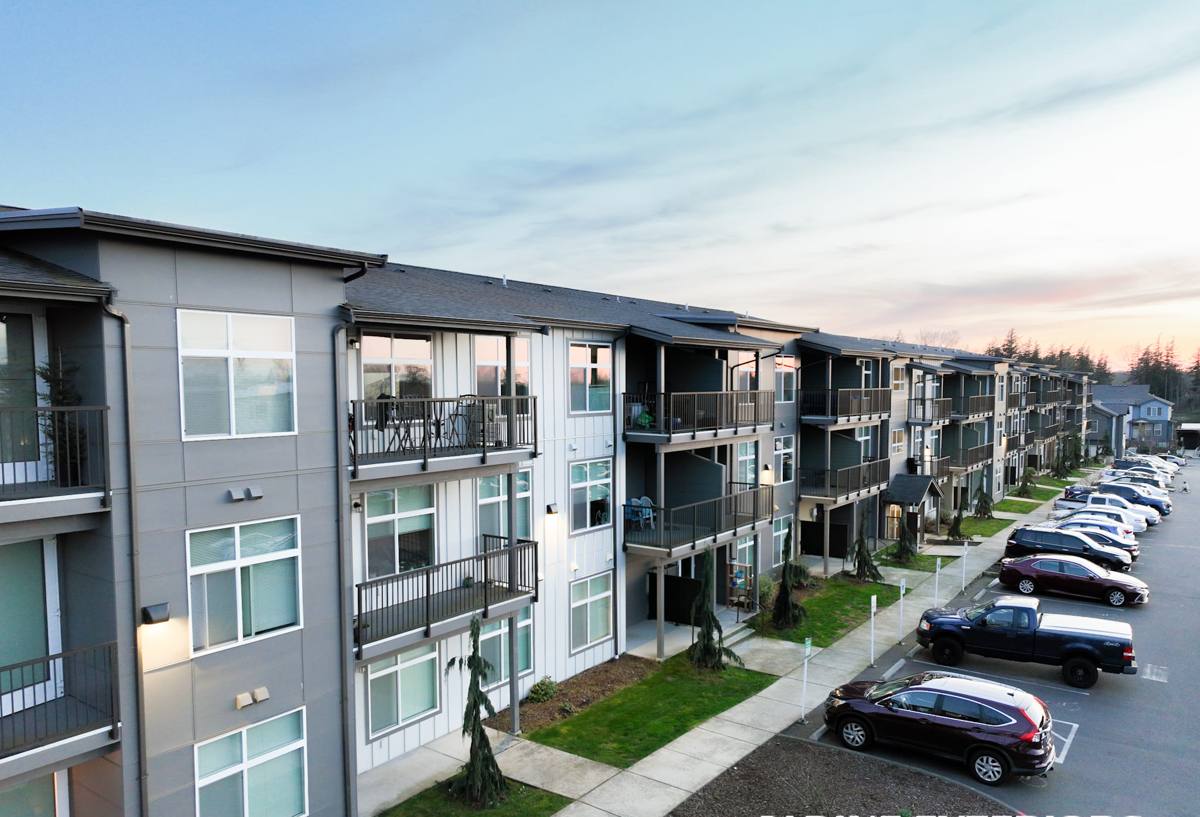
What "Custom" Actually Means for This Type of Job
Custom windows aren't about fancy shapes for their own sake, though New Tampa does have its share of arched transoms, larger picture windows, and taller openings that don't match standard sizes. In practice, custom means:
- Exact measurement of each opening, since even homes built a few years apart on the same street can have slightly different rough openings
- Matching the window's design pressure rating to what that specific wall and elevation of the house actually needs
- Choosing frame material and glass package based on which side of the house gets the most afternoon sun
- Keeping sightlines and grid patterns consistent with the home's existing architecture, which matters in communities with HOA design standards
- Building in the right flashing and water management details for stucco, siding, or block construction — these are not interchangeable
Many New Tampa communities have architectural guidelines through an HOA — frame color, grid pattern, and glass tint can all be subject to approval before a permit is even pulled. Skipping that step, or guessing at what's allowed, is one of the more avoidable ways a project gets delayed. Skipping any of the technical steps above is how a homeowner ends up with a window that looks fine on delivery day but performs poorly the first time a summer storm rolls through.
Hillsborough County Code and Wind Requirements
Window replacement in Hillsborough County isn't a fill-out-a-form-and-go project. Permits are required for replacement windows, and the products installed have to carry the correct product approval for the wind loads in this area. Depending on the wind zone designation for a given lot, that can mean impact-rated glass, or non-impact glass paired with code-compliant shutters. Either path has to be documented and inspected — this isn't a matter of preference, it's what gets a project signed off and, just as importantly, what protects the homeowner if a claim is ever filed after a storm.
Why This Trips People Up
A lot of frustration we see traces back to a window that was ordered based on a general "hurricane impact" label without checking whether it actually carries a valid Florida product approval for the specific pressure rating that opening needs. A window can be impact-rated and still be the wrong window for a given wall if the design pressure doesn't match. Pulling the permit and matching the product approval to the job isn't paperwork for its own sake — it's the step that actually determines whether the window performs when it's tested by real wind.
What a Correct Installation Involves
The window unit itself is maybe half the job. The other half is everything around it:
- Removing the old unit without damaging the rough opening or surrounding stucco or siding
- Inspecting the framing and sill for hidden rot, moisture staining, or termite damage before anything new goes in
- Installing new flashing tape and a proper drainage path so any water that gets past the glass or frame has somewhere to go besides the wall cavity
- Shimming and leveling the unit so it operates smoothly and doesn't rack under wind load
- Fastening according to the manufacturer's approved schedule — not "enough screws to hold it," but the specific pattern and spacing the product approval requires
- Sealing the interior and exterior with the correct sealants, in the right order, so the assembly sheds water the way it was designed to
Any one of these steps done wrong can undo the value of an otherwise good window. This is also why we don't cut corners on manufacturer specs to save time — a window installed outside its approved fastening or sealing method can void the product warranty even if the glass itself is excellent.
Comparing Window Options for New Tampa Homes
There's no single "best" window for every house here — it depends on the elevation's sun exposure, the wall construction, and the look the homeowner wants. The table below is a general comparison of the main factors homeowners weigh.
| Factor | Vinyl Frame | Aluminum Frame | Fiberglass Frame |
|---|---|---|---|
| Upfront cost | Lower | Moderate | Higher |
| Heat/UV stability | Can soften or warp under sustained intense sun | Handles heat well; conducts more energy | Very stable under heat and UV |
| Corrosion resistance | Excellent — no metal to corrode | Good with quality coatings, needs upkeep near salt air | Excellent |
| Maintenance | Low | Low to moderate | Low |
| Typical use case | Standard replacement, budget-conscious projects | Larger openings needing frame strength | Larger custom openings, long-term durability priority |
Glass package matters as much as frame material. Impact-rated laminated glass, low-E coatings, and tinted or reflective options all change how a window performs against Florida sun and storms. We walk through these trade-offs based on which direction a wall faces and what the household actually needs — a west-facing wall of windows has a very different job to do than a shaded, covered lanai opening.
How Our Process Works
1. On-Site Assessment
We look at each opening individually — not just the glass, but the surrounding wall material, drainage path, and any existing water staining or soft framing. This is also when we talk through style, HOA requirements if applicable, and what each elevation of the house actually needs from a wind and sun standpoint.
2. Measurement and Product Selection
Every opening gets measured on-site rather than estimated from a floor plan. We match frame material, glass package, and design pressure rating to that specific opening, then confirm the product carries the correct Florida approval for this county's wind requirements.
3. Permitting
We handle the permit application and documentation with Hillsborough County so the job is inspected and on record — this protects the homeowner at resale and with insurance, not just during the install.
4. Installation
Old units come out carefully, framing gets inspected, and new units go in following the manufacturer's approved flashing, shimming, and fastening schedule.
5. Final Inspection and Walkthrough
We test operation on every window, confirm seals and sealant lines look clean, and walk the homeowner through care and warranty paperwork before we consider the job finished.
Signs a Window Job Was Done Right
Whether you hire us or someone else, these are worth checking before you sign off on any window project:
- A permit was pulled and finaled with Hillsborough County
- You were shown the product approval documentation for the specific windows installed
- Sealant lines are clean, continuous, and free of gaps
- Every window opens, closes, and locks smoothly with no binding
- No visible gaps or uneven reveals between the frame and the surrounding wall finish
- You received written warranty information for both the product and the labor
Why It Matters to Hire a Crew That Already Works in New Tampa
Wind zone requirements, stucco and block construction details, and HOA architectural review steps vary by area, and a crew that works New Tampa regularly already knows the local permitting office's expectations and the construction quirks common to homes built in this part of the county. That familiarity shows up in fewer surprises: correct product approvals pulled the first time, permit applications that don't bounce back for missing information, and installation details matched to how these specific homes were actually built. It also means a shorter response time if a question comes up after the install, since we're not driving in from across the region for a callback.
Keeping Custom Windows Performing Long-Term
Once new windows are in, a little seasonal attention keeps them performing for decades. Rinse frames and tracks periodically to clear pollen, salt residue, and grit that can work into hardware. Check exterior sealant lines once a year, especially after a rough storm season, since even good caulking has a service life. Keep an eye on screen and track function — sticking or hard-to-operate windows are often the first sign that a frame has shifted slightly or that debris has built up inside the track. None of this is complicated, but it's the difference between windows that quietly do their job through hurricane season after hurricane season and ones that start showing problems well before they should.
If you're weighing a window project for a New Tampa home, we're happy to take a look, walk the property, and give you a straight answer on what that specific house needs — no pressure, no upsell. Use the form below to request a free estimate.