 Tampa Siding
 New Tampa's Climate Is Harder on Siding Than Most Homeowners Realize
New Tampa sits inland from the bay, but that doesn't spare it from the weather that wears down exterior siding across Hillsborough County. Homes here deal with intense, near-constant UV exposure for most of the year, long stretches of high humidity, and the kind of wind-driven summer rain that finds every gap, seam, and unsealed joint on the outside of a house. When a named storm or a strong tropical system tracks across the Tampa Bay area, wind gusts can reach levels that test how well siding is actually fastened to the wall — not just what brand name is on it.
Salt-tinged air moving inland off the bay is a slower, quieter problem. It doesn't corrode a wall overnight, but over years it accelerates the breakdown of fasteners, caulking, and finishes that aren't built to handle it. Combine that with Florida's heat cycles — surfaces baking in direct sun, then cooling fast during an afternoon storm — and you get constant expansion and contraction that loosens poorly installed siding and opens hairline gaps where water gets in.
None of this is unique to one street or subdivision. It's the baseline climate reality for any exterior surface in this part of Florida, and it's the reason siding choice and installation quality matter more here than they would in a milder climate.
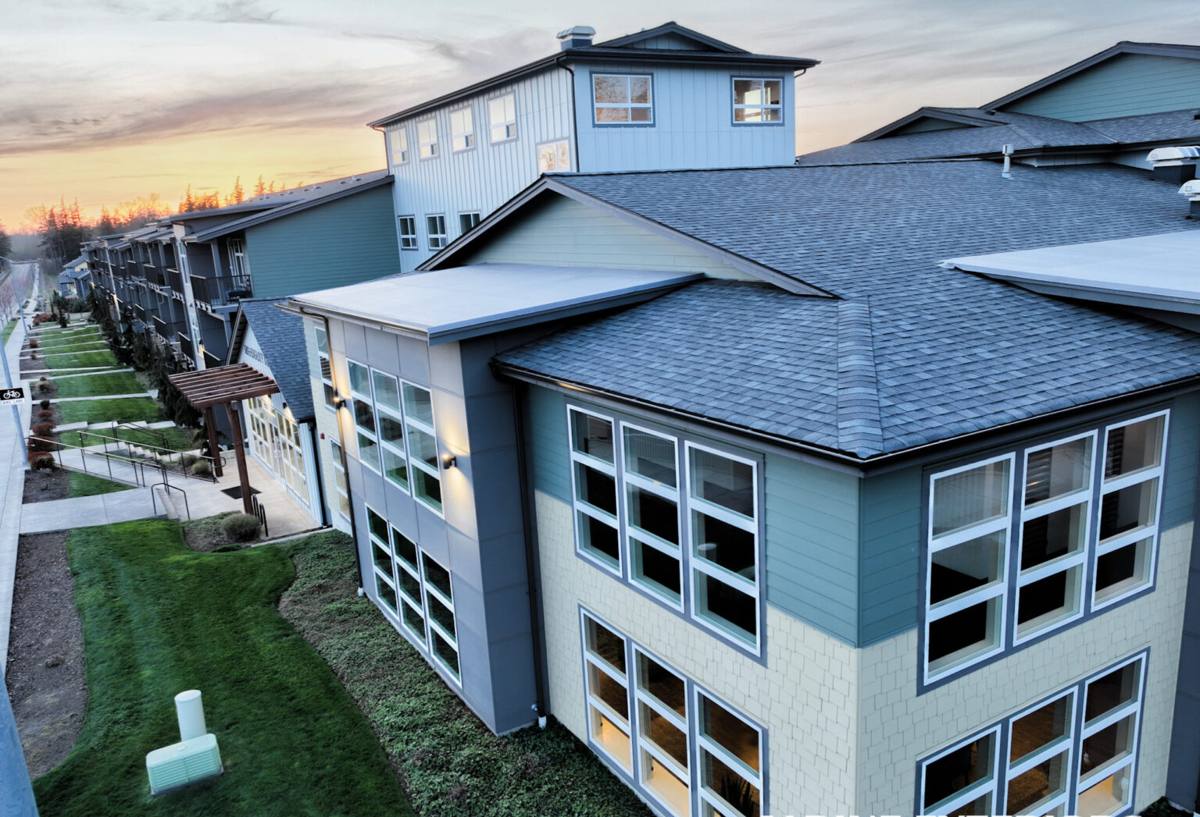
Why We Install Only James Hardie Fiber Cement in This Market
We install James Hardie fiber cement siding exclusively. We don't install vinyl, LP SmartSide, Cemplank, Allura, or primed wood siding like spruce or cedar. That's a deliberate standard, not a lack of options — after years of working on homes in this climate, we settled on the one siding system we're confident holding up to Tampa's heat, humidity, and storm exposure, and the one we're willing to stand behind with a real installation warranty.
What Fiber Cement Actually Is
James Hardie siding is made from cement, sand, and cellulose fibers pressed into dense, dimensionally stable planks and panels. It doesn't expand and contract the way wood or vinyl does when temperatures swing, it doesn't support flame the way wood-based products can, and it doesn't warp or rot from moisture exposure the way engineered wood siding can if water gets behind it.
Climate-Engineered for Florida
Hardie manufactures different formulations for different climate zones, and Florida falls into their HZ5 category — engineered specifically for hot, humid, moisture-heavy regions. That's a meaningfully different product than the version sold in a dry, cold climate, and it's one of the reasons we don't substitute in a generic fiber cement product from another brand.
The ColorPlus Finish
Most of what we install uses Hardie's factory-applied ColorPlus finish — a baked-on, UV-cured coating applied in a controlled environment rather than painted on-site. It resists fading from constant sun exposure far better than field-applied paint, and it comes with its own finish warranty separate from the product warranty on the siding itself.
What a Correct Fiber Cement Installation Actually Involves
Fiber cement siding fails almost exclusively because of installation mistakes, not because the material itself is weak. The manufacturer's specifications exist for a reason, and skipping them is where problems start.
Water Management Comes First
Before a single plank goes up, the wall needs a continuous water-resistive barrier, correctly lapped and taped, with flashing installed at every window, door, and roofline penetration. Kick-out flashing where a roofline meets a wall is one of the most commonly skipped details in this region, and it's one of the most common causes of hidden water damage behind otherwise good-looking siding.
Fastening and Clearances
Hardie specifies exact fastener types, spacing, and penetration depth, along with minimum clearances — siding held up off the roofline, off grade, and off any horizontal surface where water can pool or wick upward. In a coastal-influenced climate like Tampa's, we use corrosion-resistant fasteners rated for the exposure, not whatever is cheapest on a given day.
Joints, Caulking, and Paint
Factory-cut edges are primed but not finish-coated, which means every field cut needs to be sealed and painted before or during installation, not left exposed. Butt joints need the correct gap and the correct sealant — rigid caulk that cracks under thermal movement is a common source of water intrusion a few years down the road.
Where Installations Commonly Go Wrong
- Nailing too tight or too loose against the manufacturer's fastening schedule
- Skipping or shortcutting flashing at roof-to-wall intersections
- Leaving cut edges unsealed and unpainted
- Installing directly against grade or a roof surface with no clearance gap
- Using standard fasteners in a high salt-exposure area instead of corrosion-resistant ones
How Fiber Cement Compares to Other Siding Options
| Factor | James Hardie Fiber Cement | Vinyl Siding | Wood / Engineered Wood |
|---|---|---|---|
| UV and fade resistance | Strong — ColorPlus finish is factory UV-cured | Moderate — can fade and chalk over time | Weak without regular repainting |
| Moisture and rot resistance | Strong when installed to spec | Doesn't rot, but can trap moisture behind it | Vulnerable to rot if water gets in |
| Wind and impact resistance | High — dense, rigid material | Can crack or blow off in high wind | Varies by product and thickness |
| Fire performance | Non-combustible | Combustible | Combustible |
| Typical maintenance | Low — occasional caulk and paint touch-up | Low, but limited repair options if damaged | Higher — regular painting and moisture checks |
Our Process for a New Tampa Siding Project
The steps are the same whether we're replacing storm-damaged siding, updating an older home, or working on new construction.
- Inspection and consultation — we look at the existing siding, wall sheathing, and any signs of past water intrusion before recommending a scope of work.
- Product and profile selection — plank width, texture (smooth or woodgrain), and ColorPlus color, matched to the home and to what's appropriate in the neighborhood.
- Permitting — siding replacement in Hillsborough County typically requires permitting and inspection, which we handle as part of the job.
- Tear-off and wall assessment — removing old siding lets us check the sheathing underneath for hidden moisture damage before it gets covered back up.
- Water barrier and flashing installation — done to manufacturer spec before any siding goes up.
- Siding installation — fastened, clearanced, and joined per Hardie's published requirements for this climate zone.
- Trim, caulking, and paint touch-up — all cut edges sealed and finished.
- Final walkthrough — checking fastening, seams, and clearances before we consider the job done.
Why It Matters That the Crew Already Works in New Tampa
New Tampa has grown into one of Hillsborough County's larger residential areas, with a mix of home ages and construction styles built over the past few decades. A crew that regularly works in this specific area already understands the local permitting process, has a working relationship with the county's inspection requirements, and knows the kind of wall assemblies and past siding choices common to homes in this part of Tampa. That's practical knowledge that shows up in fewer surprises once tear-off starts.
It also matters for anything that comes up after the job is finished. A crew based near New Tampa can get back out to a property quickly for a warranty question or a punch-list item, instead of a homeowner waiting on a company with no real local presence.
Caring for Your Siding After Installation
Correctly installed fiber cement siding is genuinely low-maintenance, but "low-maintenance" isn't "no-maintenance." A little attention keeps it performing the way it should for the long haul in this climate.
- Rinse the siding periodically with a garden hose to clear dust, pollen, and salt residue — avoid high-pressure washing directly at the surface or seams
- Walk the exterior once or twice a year and check caulk lines at joints, trim, and penetrations for cracking or separation
- Keep gutters and downspouts clear so water isn't running down or pooling against the siding
- Trim back landscaping so it isn't holding moisture against the wall
- Address any impact damage or exposed fastener quickly rather than waiting
What Affects the Cost of a Siding Project
Every home is different, so we don't quote a number until we've actually looked at the project, but a few factors consistently drive cost up or down: the total square footage and number of stories, how much of the existing siding and any underlying sheathing needs to be removed and repaired, how much trim and detail work the home has around windows, doors, and rooflines, and which plank profile and finish are selected. Homes with hidden moisture damage behind older siding typically need that addressed before new siding goes on, which is something we can only scope accurately once tear-off begins.
If you're weighing a siding project on a New Tampa home, we're happy to take a look and walk you through what we're seeing and what it would take to do the job right. The form below gets you a free, no-pressure estimate — no obligation either way.