 Tampa Siding
 New-Construction Windows in New Tampa: Built for the Way This Area Actually Weathers
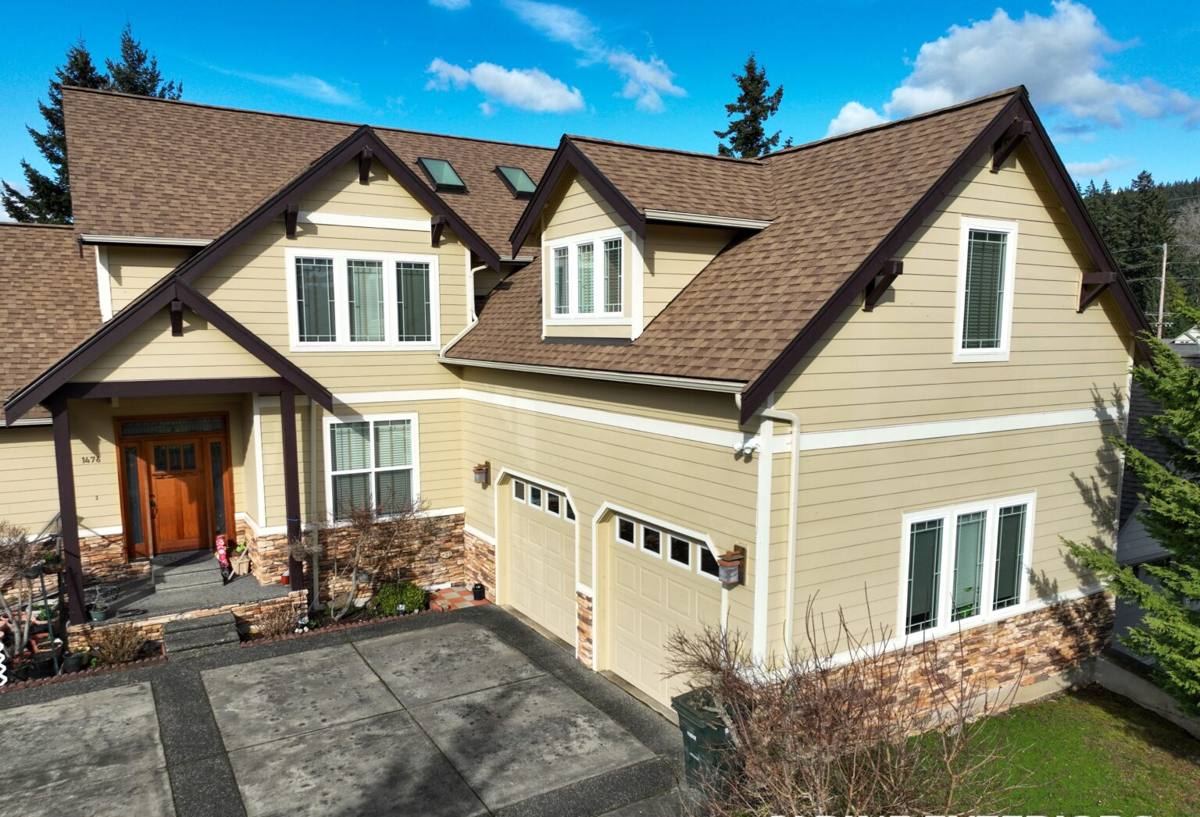
New Tampa has grown fast, and a lot of that growth is still happening — new subdivisions, new additions, new garages and sunrooms tied into existing homes, and infill construction on lots that sat empty for years. Whenever a wall opening is framed from scratch, whether for a brand-new house or a room addition, the windows that go into it are "new-construction" windows: units with a nailing fin that gets integrated directly into the wall's weather-resistant barrier and flashing system before stucco, siding, or brick veneer goes on. That's a different job from swapping out an old window in an existing wall, and it needs to be done in the right order, by people who understand how Hillsborough County's climate treats a window over the next twenty years.
We install new-construction windows for builders, remodelers, and homeowners across New Tampa. This page covers what a correct new-construction window job actually involves here, why it's not the same as a retrofit replacement, and what to expect if you hire us for it.
Why New Tampa's Climate Changes the Spec
Every window sold in Florida meets some baseline code requirement, but "meets code" and "right for this specific house" aren't always the same thing. A few regional factors we build around on every New Tampa job:
- Hurricane-force wind exposure. Hillsborough County sits in a wind-borne debris region under the Florida Building Code, which means new construction has to use products rated for the local design wind speed and either impact-resistant glazing or code-approved protection.
- Intense, near year-round UV. Florida sun is harder on window frames, seals, and interior finishes than most of the country sees. Vinyl can chalk or warp without UV-stable formulations, and standard clear glass lets in enough solar heat gain to spike cooling costs.
- Wind-driven rain. Tampa's storms don't just fall straight down — wind pushes rain sideways and up under trim, siding, and window flanges. A flashing detail that would be fine in a drier, calmer climate can leak here.
- Humidity and salt-influenced air. New Tampa is inland compared to the immediate Gulf coast, but the region's overall humidity and coastal air influence still accelerate corrosion on cheap hardware, fasteners, and screen frames faster than in drier climates.
None of this means a New Tampa home needs the most expensive window on the market. It means the frame material, glass package, and — most importantly — the installation details need to match what the building actually has to survive.
New-Construction Windows vs. Replacement Windows: Why the Distinction Matters
People sometimes call us asking for a "replacement window" when what they actually have is a new-construction opening — a framed rough opening with no existing window in it yet, whether that's a whole new house, an addition, or a garage conversion. The two jobs use different products and different techniques:
New-construction windows
These have a nailing fin (also called a flange) around the perimeter of the frame. The fin gets fastened directly to the wall sheathing and integrated into the weather-resistant barrier with flashing tape, building wrap, and often a sill pan — all before exterior finish material goes on. Because the fin is exposed and accessible during the build, this method allows a fully sealed, layered water-management system.
Replacement (retrofit) windows
These are built to fit inside an existing frame that stays in the wall, without disturbing the surrounding siding or stucco. There's no nailing fin, and the water management relies on the existing opening still being sound.
Installing a new-construction window into an existing wall — or a retrofit window into a fresh rough opening — is a mismatch that leads to leaks, callbacks, or both. Part of our job on any New Tampa project is confirming which situation we're actually in before we ever order product.
What a Correct New-Construction Installation Involves
The window unit itself is only part of the job. The water-management sequence around it is what actually keeps a Tampa storm out of the wall cavity. Here's the order we follow:
- Verify the rough opening is square, level, and sized correctly for the specified window — undersized or racked openings get corrected before anything else happens.
- Install a sloped sill pan flashing so any water that gets past the window drains back outward, not into the wall.
- Apply jamb and head flashing in the correct shingle-lap order (sides before top) so water sheds down and out, never into a seam.
- Set the window plumb, level, and square in the opening, then fasten through the nailing fin per the manufacturer's schedule — skipping fasteners or over-driving them are two of the most common causes of long-term frame distortion.
- Integrate the flange with the house wrap or weather-resistant barrier, taping all four sides so water sheds over each layer like shingles.
- Check the reveal and shim the frame so it isn't under stress, which matters for both operation and long-term seal performance.
- Insulate the gap between the frame and rough opening with a low-expansion foam or backer rod and sealant — never packed too tight, which can bow the frame.
- Confirm weep holes are clear and unobstructed before exterior finish work covers the opening.
Every one of those steps is normal, well-documented construction practice — but skipping or rushing any single one is exactly how a window that looks fine on day one starts leaking two rainy seasons later. Since the flashing gets covered by siding or stucco, it's also the one part of the job a homeowner can never fully verify after the fact, which is why the crew doing it matters more than the brand name on the glass.
Frame Materials: What Actually Holds Up in This Climate
We install several window frame materials, and the right one depends on the project, the budget, and how the opening is finished on the outside. Here's how the common options compare for a New Tampa new-construction application:
| Frame Material | Wind & Impact Rating | Heat/UV Behavior | Maintenance | Typical Use Here |
|---|---|---|---|---|
| Vinyl (UV-stabilized) | Good, with reinforced frames on larger sizes | Stable when properly formulated; lower quality vinyl can yellow or soften | Low — no painting, won't rust | Most common choice for new-construction homes and additions |
| Aluminum | Strong, thin sightlines, handles large openings well | Conducts heat unless thermally broken | Low, but can pit or corrode over decades in humid air without proper coatings | Larger openings, sliders, and some commercial-style applications |
| Fiberglass | Very good; dimensionally stable in heat swings | Excellent — doesn't expand/contract like vinyl or warp like wood | Low | Higher-end new builds where long-term stability matters most |
| Wood / wood-clad | Depends on cladding and hardware | Requires an exterior-protective clad or finish in this climate | Higher — interior wood can still need attention over time | Less common in new Tampa-area construction due to upkeep |
For most New Tampa new-construction and addition projects, a quality UV-stabilized vinyl or fiberglass frame with an impact-rated glass package gives the best balance of performance, appearance, and long-term maintenance. We'll walk through the actual trade-offs for your specific project rather than defaulting to one material for every job.
Glass Packages: Impact Resistance, Low-E, and Heat Control
The glazing matters as much as the frame in this part of Florida. A few things worth understanding before you spec a new-construction order:
- Impact-resistant glass is laminated glass designed to stay intact under wind-borne debris impact, satisfying code without needing separate storm shutters or panels on many projects.
- Low-E coatings reflect solar heat while still letting visible light through, which matters a lot given how many months a year Tampa-area air conditioning is working overtime.
- Insulated (double-pane) glass reduces heat transfer through the glass itself, on top of whatever the coating does.
- Grille and tint options are largely aesthetic choices, but tint level can affect how much heat gain you get, so it's worth deciding intentionally rather than defaulting to whatever's cheapest.
Every glass package has a Florida Building Code product approval or Notice of Acceptance tied to it for the wind zone it's rated for. Part of our process is making sure whatever we install actually carries the approval that matches your specific address and wind exposure — not just a generic "hurricane glass" label.
What Typically Drives Cost on a New-Construction Window Job
We don't publish blanket prices because new-construction window costs vary a lot by project, but these are the factors that actually move the number:
| Factor | How It Affects Cost |
|---|---|
| Number and size of openings | More/larger openings mean more material and labor |
| Impact-rated vs. standard glass | Impact glass typically costs more but can remove the need for separate shutters |
| Frame material | Fiberglass and larger aluminum systems generally cost more than standard vinyl |
| Window style | Casements, large sliders, and custom shapes cost more to fabricate and install than standard single/double-hung units |
| Coordination stage | Installing during the framing stage on new builds is usually more efficient than adding openings after the fact |
| Permit and inspection requirements | Product approval documentation and inspections are part of doing it correctly, not an optional add-on |
We'll give you a written, itemized estimate based on your actual opening sizes and the products you choose, not a rough per-window guess.
What to Ask Before Hiring Any New-Construction Window Crew
Because the flashing and integration work gets covered up, homeowners and builders in New Tampa are largely trusting the installer's process rather than something they can inspect later. A few questions worth asking any contractor before signing:
- Can you show me the product approval or Notice of Acceptance for the exact window and wind zone at my address?
- What's your flashing sequence, and does it include a sill pan?
- Are your installers using the manufacturer's fastening schedule, or going by feel?
- Who pulls the permit, and who's present for the inspection?
- What happens if an opening is out of square when you get there?
A contractor who can answer these clearly and specifically, without hedging, is telling you something real about how they run a job site.
Why a Crew That Already Works New Tampa Makes a Difference
New Tampa's building stock skews newer than a lot of Hillsborough County, with many homes built under similar wind-zone requirements and, in a fair number of neighborhoods, HOA architectural guidelines that govern window style, color, and grille pattern. A crew that regularly works in the area already knows the local permitting process at the county level, has a working relationship with the inspectors who sign off on the work, and isn't guessing at what's typical for the area's HOA review process. That familiarity translates into fewer surprises, fewer delays waiting on paperwork corrections, and a job that passes inspection the first time.
It also means we're not learning on your project. We've seen how the local wind exposure and afternoon storm patterns actually treat a window installation over time, and we build our flashing and fastening approach around that reality rather than a generic national spec sheet.
After Installation: What Ongoing Care Looks Like
New-construction windows in this climate are low-maintenance, not no-maintenance. A short list of what actually matters after the job is done:
- Rinse frames and tracks periodically to clear pollen, salt-influenced dust, and grit that can wear down weatherstripping over time.
- Keep weep holes clear of dirt, mulch, or paint overspray so water can drain as designed.
- Check exterior caulking at trim joints annually — sealant is a wear item, not a lifetime guarantee.
- Operate hardware (locks, cranks, rollers) a few times a year even on windows you rarely open, so mechanisms don't seize.
None of this is complicated, but it's the difference between a window system that performs for decades and one that quietly underperforms because small maintenance items got ignored.
Get a Straight Answer for Your Project
If you're building new, adding on, or coordinating windows for a New Tampa project, we're glad to walk the site, look at your plans, and give you an honest read on what the openings need — no pressure, no inflated scope. Use the form below to request a free estimate and we'll get back to you with next steps.