 Tampa Siding
 New Tampa's Climate Doesn't Go Easy on Roofs
New Tampa sits inland from the bay by Florida standards, but that doesn't spare its roofs from the punishment that comes with living in Hillsborough County. Hurricane-force winds during the June-through-November storm season put direct uplift pressure on shingles, ridge caps, and flashing. Between storms, the sun does its own kind of damage — Florida gets some of the most intense year-round UV exposure in the continental United States, and that UV load bakes the oils out of asphalt shingles, dries out sealant strips, and accelerates granule loss faster than it would in a milder climate. Add wind-driven rain that gets pushed sideways under poorly sealed shingles and flashing, plus the salt-laden air that moves through the greater Tampa Bay region and slowly corrodes exposed metal fasteners and flashing, and you've got a roof that's working harder than most people realize just to stay watertight.
None of this means every roof in New Tampa is in trouble. It means the materials, fastening methods, and workmanship have to actually match the conditions the roof will face for the next 20-plus years, not just meet the minimum to pass a permit inspection. That's the standard we hold every replacement to.
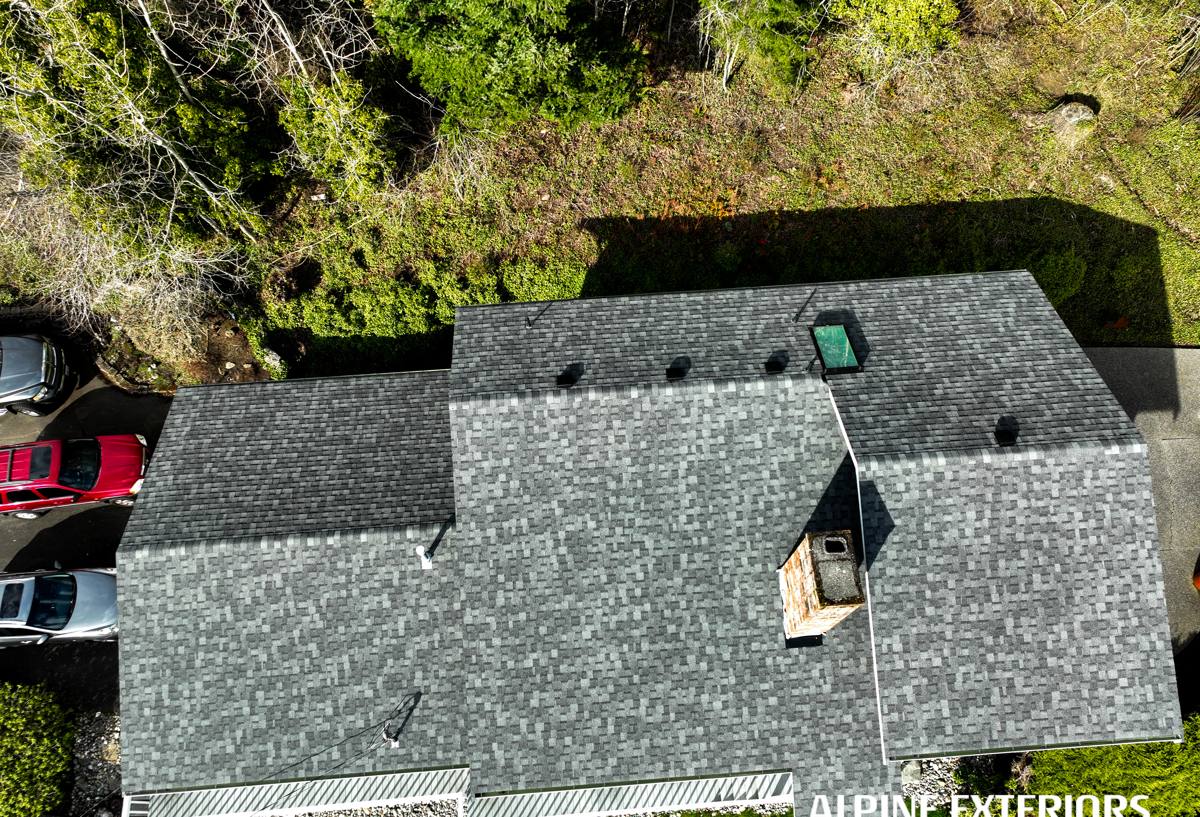
Repair or Replace? Signs to Watch For
Not every roof problem calls for a full replacement, and we'll tell you plainly if a repair is the more honest answer. But there's a point where patching becomes throwing money at a roof that's already past its useful service life. Here's what typically tips the decision toward replacement rather than repair:
- Shingles that are curling, cupping, or losing granules across large sections of the roof rather than one isolated spot
- Recurring leaks in different locations after previous repairs, which usually means the underlayment has failed, not just the surface layer
- Visible sagging in the roof deck, which can signal moisture damage to the wood underneath
- A roof approaching or past the 20-25 year mark for architectural shingles, especially if it's never been re-roofed
- Storm damage — creased shingles, exposed nail heads, or missing sections after high wind events — that affects a large percentage of the roof rather than a few shingles
- Rising energy bills tied to poor attic ventilation or failing insulation caused by long-term heat and moisture exposure
If you're seeing one or two of these in isolation, a repair may still make sense. If you're seeing several at once, replacement is usually the more cost-effective path over the next decade.
What a Correct Roof Replacement Actually Involves
A roof replacement is more than swapping old shingles for new ones. Done right, it's a full system rebuild, and every layer matters for how the roof performs during the next tropical storm or the next ten summers of UV exposure.
Tear-Off and Deck Inspection
We remove the old roofing material down to the deck rather than layering over it. This lets us see the plywood or OSB sheathing underneath and catch soft spots, rot, or water staining that a "roof-over" would just seal in and hide. Any damaged decking gets replaced before anything new goes down — skipping this step is one of the most common shortcuts in the industry, and it's the one that causes the most expensive problems five years later.
Underlayment and Flashing
The underlayment is your roof's actual waterproofing layer; the shingles are the wear surface on top of it. In a climate with regular wind-driven rain, we pay close attention to synthetic or self-adhering underlayment at vulnerable points — valleys, roof-to-wall transitions, chimneys, and skylights — where most leaks actually originate. New flashing gets installed at every penetration and transition rather than reusing old, corroded pieces.
Fastening and Wind Resistance
How shingles are nailed matters as much as what shingles you buy. Correct nail placement, nail count per shingle, and starter strip installation along eaves and rakes are what actually determine wind performance in a storm — far more than the marketing rating printed on the shingle wrapper. We follow manufacturer fastening specifications to the letter, because that's what keeps a warranty valid and a roof intact when the wind picks up.
Ventilation
Florida attics run hot. Proper intake and exhaust ventilation — ridge vents, soffit vents, or a combination — keeps attic temperatures from cooking the underside of the roof deck and shingles from the inside out, and it helps control the moisture that leads to mold and wood rot. Ventilation is easy to overlook because it's invisible once the roof is finished, but it has a direct effect on how long the new roof actually lasts.
Choosing the Right Roofing Material for a New Tampa Home
Most homes in New Tampa's newer subdivisions were built with asphalt shingle roofs, and for good reason — they balance cost, appearance, and performance well for this climate when installed correctly. But the shingle market has several tiers, and homeowners are often surprised at how different they are once you look past the price tag.
| Material | Typical Lifespan | Wind Performance | Best For |
|---|---|---|---|
| 3-tab asphalt shingles | 15-20 years | Lower wind rating, more prone to lifting | Budget-conscious replacements, rental properties |
| Architectural (laminate) shingles | 25-30 years | Higher wind rating, better sealant strip performance | Most owner-occupied New Tampa homes |
| Impact-resistant shingles | 25-30 years | Rated for wind and hail impact resistance | Homeowners chasing insurance premium discounts |
| Standing seam metal | 40-50 years | Excellent uplift resistance when properly installed | Long-term owners wanting minimal maintenance |
Cost differences between these tiers usually come down to material grade, fastening requirements, and labor time — not just the sticker price of the shingle bundle. We'll walk through the honest trade-offs for your specific roof rather than pushing whatever has the best margin, including what each option means for your homeowner's insurance, since many Florida carriers now offer premium credits for impact-resistant roofing.
Permits, Codes, and Inspections in Hillsborough County
Roof replacements in Hillsborough County require a permit, and for good reason — the Florida Building Code sets minimum standards for wind resistance, fastening, and underlayment specifically because of what this state's weather does to substandard work. A permitted, inspected roof also matters when you go to sell the home or file an insurance claim; unpermitted roof work can complicate both. We pull the permit, schedule the required inspections, and handle the paperwork so you're not left chasing down documentation months later. If your home is in an HOA-governed community, which describes a large share of New Tampa's neighborhoods, we'll also work with whatever shingle color and style restrictions your association has on file before ordering materials.
How Our Roof Replacement Process Works
- On-site inspection. We walk the roof (or use appropriate equipment for steep or high roofs), check the deck, flashing, and ventilation, and give you an honest read on repair versus replacement.
- Written estimate. You get a clear, itemized quote — material tier, scope of work, and timeline — with no vague allowances buried in the fine print.
- Material selection. We help you compare shingle or metal options against your budget, HOA rules, and how long you plan to stay in the home.
- Permitting. We handle the Hillsborough County permit application before any work begins.
- Tear-off and deck repair. Old material comes off, the deck gets inspected, and any damaged sheathing is replaced.
- Underlayment, flashing, and ventilation installation. The waterproofing layer and airflow system go in correctly, not as an afterthought.
- Shingle or metal installation. Installed to manufacturer fastening specs to protect both wind performance and warranty coverage.
- Cleanup and final walkthrough. Job site debris and stray nails get cleared, and we walk the finished roof with you before calling it done.
- Inspection and documentation. Final county inspection is scheduled, and you receive paperwork for your records and insurance file.
Protecting Your Investment After Installation
A new roof is a long-term asset, and a small amount of maintenance goes a long way toward getting the full lifespan out of it in this climate. We give every customer a simple maintenance rundown, and it usually comes down to this:
- Have the roof visually inspected after any major storm, even if you don't see obvious damage from the ground
- Keep gutters and downspouts clear so water isn't backing up under the eaves during heavy rain
- Trim back overhanging tree limbs that can scrape shingles or drop debris during high wind
- Watch for granules collecting in gutters, which can signal accelerated shingle wear
- Check attic ventilation isn't blocked by insulation, storage boxes, or debris
- Schedule a professional roof check every few years, even without visible problems, to catch small issues before they become leaks
Why Hiring a Crew That Already Works New Tampa Matters
Roofing crews that work outside their normal service area often don't know the local permitting process, aren't familiar with Hillsborough County's inspection expectations, and may not be around in a few years if a warranty issue comes up. We work in Tampa and the surrounding communities regularly, which means we know how New Tampa's mix of newer subdivisions, HOA requirements, and Florida Building Code standards fit together — and we're not guessing at any of it on your project. That local familiarity translates into fewer surprises during permitting, a smoother inspection process, and a crew that's actually reachable if you have a question a year after the job is finished.
If your roof is showing its age or you just want an honest opinion on where it stands, we're happy to take a look. Use the form below to request a free, no-pressure estimate, and we'll give you a straight answer about what your New Tampa roof actually needs.