 Tampa Siding
 Board & Batten Siding Built for Plant City's Climate
Plant City sits inland from Tampa Bay in Hillsborough County, but "inland" doesn't mean sheltered. The same subtropical climate that soaks the coastline reaches Plant City too: long stretches of intense UV exposure, thick summer humidity, sudden downpours, and hurricane-season wind events that don't stop just because you're a few miles from open water. Storm systems that roll through the region can still carry wind-driven rain and salt-tinged air well inland, and a home's siding is the first thing that has to absorb all of it, year after year.
Board and batten is one of the most requested siding styles we install in Plant City. It fits the area's mix of rural farmhouse-style properties and newer subdivisions, giving a home strong vertical lines, deep shadow definition, and a clean, substantial look that flat lap siding doesn't offer. But the style only holds up if the material underneath it and the installation behind it are built for this climate. This page covers what that actually requires.
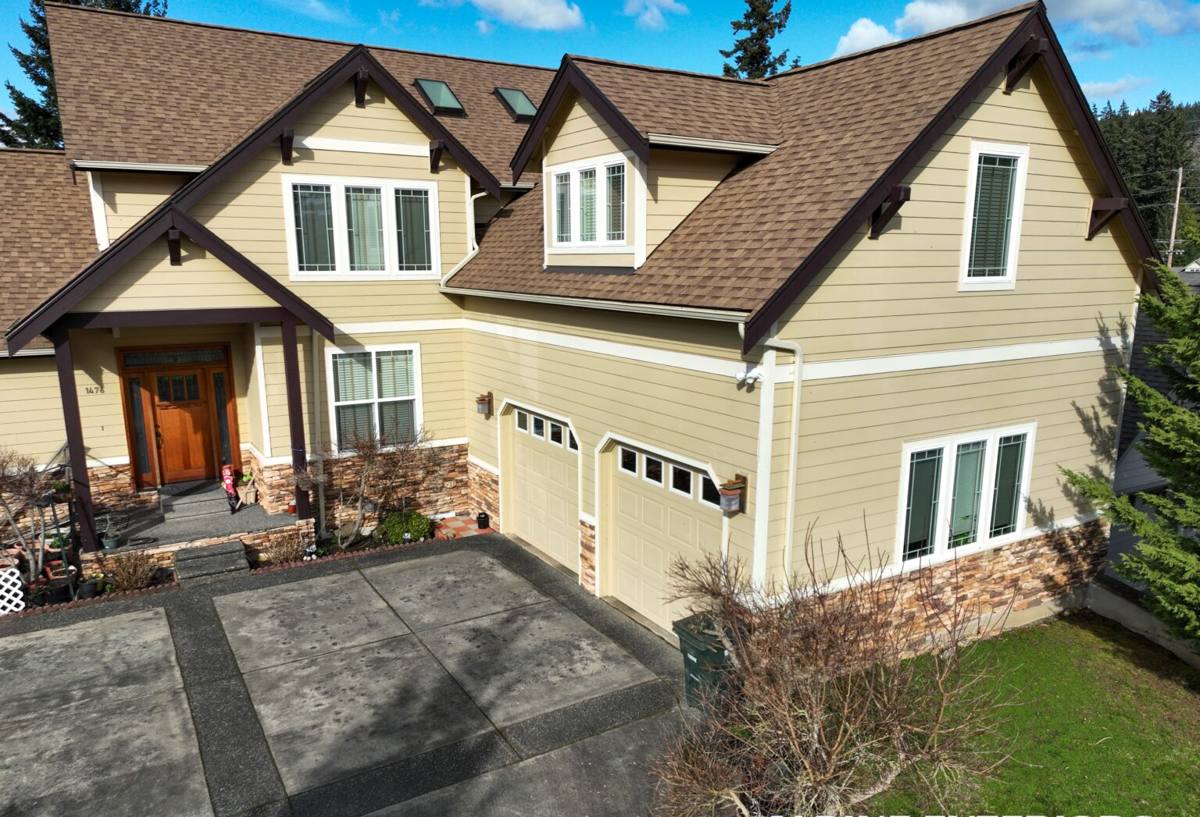
What Plant City's Climate Does to Siding Over Time
Before talking about board and batten specifically, it helps to understand what siding in this area is up against:
- UV exposure: Florida sun breaks down pigments and surface coatings faster than in most of the country, leading to fading, chalking, and premature finish failure on lower-grade products.
- Humidity: Hillsborough County's average humidity stays high most of the year, which means any siding material with poor moisture tolerance is at constant risk of swelling, rot, or mold growth behind the surface.
- Wind-driven rain: During thunderstorms and tropical systems, rain doesn't just fall straight down — it's pushed sideways into wall assemblies, seams, and battens under pressure.
- Hurricane-force wind loads: Even outside a direct hit, Plant City regularly sees tropical-storm-strength wind events that test fastening patterns and panel rigidity.
- Salt-influenced air during storms: Tampa Bay weather systems can carry salt-laden moisture inland during major storms, which accelerates corrosion on unprotected fasteners and hardware even away from the immediate coastline.
Board and batten siding, by design, has more vertical seams and more fastening points than a standard lap profile. That's part of its visual appeal, but it also means the material and the install technique matter more, not less.
Why We Install Board & Batten in James Hardie Fiber Cement Only
We are a James Hardie-exclusive contractor. We don't install vinyl, LP SmartSide, primed wood, or cedar board and batten, and in a climate like Plant City's, that's a deliberate standard, not a marketing point.
Wood board and batten looks great on day one, but raw or primed wood battens are exactly the kind of narrow, edge-exposed material that struggles most with Florida humidity and wind-driven rain — the edges and end grain are where moisture gets in first, and once it does, the repair cycle starts. Vinyl board and batten is lightweight and affordable, but it's also more prone to distortion under sustained UV and heat, and it's not rated for the wind pressures a hurricane-prone county like Hillsborough sees. Both can be installed correctly and last a while, but neither is what we choose to put our name on.
James Hardie fiber cement is engineered specifically to resist the conditions listed above: it's non-combustible, dimensionally stable under heat and humidity swings, and backed by a factory-applied ColorPlus finish designed to hold color and resist fading far longer than field-applied paint. For board and batten profiles, we use Hardie's vertical panel and trim systems, which are built to be installed as a true batten assembly rather than a decorative overlay.
What a Correctly Installed Board & Batten Job Actually Involves
The Panel and Batten System
Authentic board and batten with James Hardie products uses a vertical fiber cement panel as the base plane, with HardieTrim battens fastened over the seams at engineered spacing. The batten width, reveal, and spacing all affect both the look and the water-shedding performance, so this isn't something to eyeball on site — it follows Hardie's published installation specifications for the product line and region.
Fastening for Wind Load
Every fastener has to be placed at the correct spacing and depth for Hillsborough County's wind zone requirements, using corrosion-resistant fasteners rated for fiber cement. Under-fastening is one of the most common causes of siding failure in wind events; over-driving fasteners can crack the panel and create a moisture entry point.
Moisture Management Behind the Siding
Board and batten has more seams than lap siding, so the water-resistive barrier, flashing at windows and doors, and proper gapping at the bottom of the wall all matter more here, not less. Every vertical joint and horizontal transition needs to be detailed so that wind-driven rain sheds outward instead of tracking behind the panel.
Caulking and Sealant Discipline
Only paintable, high-quality sealant rated for fiber cement should be used at trim and batten joints, applied per Hardie's guidelines — not as a substitute for correct flashing, but as a secondary line of defense.
Finish and Touch-Up
Factory-applied ColorPlus finish reduces the amount of field painting needed, but cut edges and any field-touch areas still need to be sealed and coated correctly so the whole assembly performs as one system, not a patchwork of protected and unprotected surfaces.
Our Process for a Plant City Board & Batten Project
- On-site assessment: We look at your home's current siding, wall condition, drainage plane, and any moisture damage before quoting anything.
- Product and reveal selection: We walk through batten width, reveal spacing, and ColorPlus color options so the finished look matches your home's style.
- Tear-off and substrate check: Old siding comes off and we inspect sheathing underneath for rot or damage before anything new goes up — this step gets skipped by crews trying to move fast, and it's where hidden problems get caught or missed.
- Water-resistive barrier and flashing: Correct house wrap, window and door flashing, and drainage detailing go in before a single panel is hung.
- Panel and batten installation: Installed to Hardie's fastening schedule and local wind zone code, not a generic national default.
- Final inspection and cleanup: We walk the job with you before calling it finished.
Comparing Board & Batten Material Options
| Material | Moisture Resistance | Wind Performance | Maintenance | Typical Lifespan |
|---|---|---|---|---|
| James Hardie Fiber Cement | High — engineered for humid climates | High when installed to wind zone spec | Low — factory finish, occasional cleaning | Decades with correct install |
| Primed Wood | Low to moderate — vulnerable at edges/end grain | Moderate, fastener-dependent | High — repainting, sealing, rot checks | Shorter, highly maintenance-dependent |
| Vinyl | Moderate — can trap moisture behind panel | Lower — can distort/blow off in high wind | Low, but limited repair options | Variable, degrades faster in intense UV |
| LP SmartSide (engineered wood) | Moderate — resin-treated but wood-based | Moderate | Moderate — seams and edges need monitoring | Shorter than fiber cement in high-humidity zones |
These are general performance patterns, not guarantees for any specific product batch or installation. The point isn't that other materials can't work — it's that in Plant City's combination of heat, humidity, and wind, fiber cement gives you the widest margin for long-term performance.
What to Check Before Hiring Anyone for Board & Batten Work
- Do they specify batten spacing and reveal in writing, or just say "board and batten style"?
- Will they inspect and document the sheathing condition before installing over it?
- Do they detail flashing at every window, door, and horizontal transition — not just caulk over gaps?
- Are fasteners spec'd for Hillsborough County's wind zone requirements, not a generic national minimum?
- Do they carry manufacturer training or certification on the specific fiber cement product being installed?
- Is there a clear, transferable warranty covering both the product and the labor?
Why Local Experience in Plant City Matters
Plant City has its own mix of home styles, lot conditions, and permitting requirements within Hillsborough County, and a crew that already works this area knows the local wind zone requirements, the typical wall assemblies found on homes here, and how to sequence a job around Florida's afternoon storm patterns without leaving a house exposed overnight. That local familiarity shows up in the details — the flashing choices, the fastening schedule, the way a crew plans around weather — not in anything you'd notice from the curb until years later, when a correctly built wall is still performing and a rushed one isn't.
If you're weighing board and batten siding for a Plant City home, we're happy to walk the property, talk through what your specific walls need, and give you a straightforward, no-pressure estimate — no invented urgency, just an honest look at the job.